
The Grain-Based Tradition
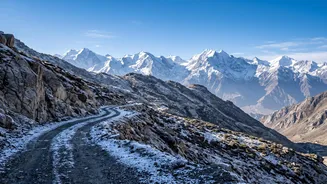
Across the vast Himalayan expanse, from Ladakh to Arunachal Pradesh, communities have long relied on the ingenuity of fermentation. In a climate where hardy grains like millet, barley, and rice are more sustainable than dairy, these crops became the foundation
for a diverse array of beverages. These are not just drinks; they are a source of energy, a social lubricant, and a cornerstone of cultural identity. The process often begins by cooking the grains, which are then mixed with a traditional starter culture known as 'murcha' or 'khesung'. This starter, a carefully guarded mixture of wild yeasts and herbs, kicks off a fermentation process that can last from a few days to several months.
Chhang: The Himalayan Beer
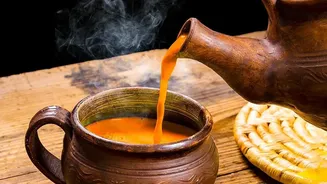
One of the most widespread of these beverages is Chhang, often called the 'beer of the Himalayas'. Popular in Tibet, Nepal, Sikkim, and Ladakh, this cloudy, milky-white drink is typically made from barley, millet, or rice. After fermentation, the mixture is either strained to create a cool, refreshing drink or consumed warm. The flavour is often described as a delightful mix of sweet and tart, with a gentle fizz. Served cool, it's a refreshing counterpoint to a warm day; served hot, it provides comforting warmth against the mountain chill. Chhang is deeply embedded in social life, offered to guests as a sign of respect and playing a central role in festivals like Losar, the Tibetan New Year.
Tongba: A Ritual in a Cup
In Sikkim and eastern Nepal, particularly among the Limbu communities, the most iconic brew is Tongba. What makes Tongba unique is its presentation. The fermented whole millet grains are not strained but are packed into a tall bamboo vessel, also called a 'tongba'. Hot water is then poured over the grains, allowing them to steep for several minutes. The warm, earthy liquid is sipped through a special bamboo straw that has a filter at the bottom to block the grains. The vessel can be refilled with hot water multiple times, with each infusion offering a slightly different flavour profile, starting tangy and gradually becoming milder and sweeter. This communal and interactive way of drinking makes Tongba a ritual of hospitality and sharing.
A Spectrum of Regional Flavours
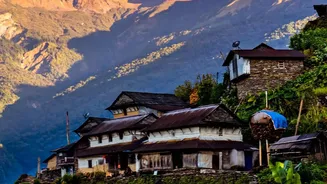
Beyond Chhang and Tongba, the Himalayan region is home to countless other hyper-local brews. In Arunachal Pradesh, the Nyishi and Galo communities prepare Apong, a rice beer where the brewing techniques are traditionally passed down among women. The Galo tribe's Kala Apong, or 'black beer', gets its distinctive smoky flavour and dark colour from burnt paddy husks. In Himachal Pradesh, you might find Lugdi, another rice-based drink, or Chulli, a fruity spirit made from apricots and apples. Further west in Ladakh, Chhang remains a staple, considered more of a food than a beverage, providing essential nutrition and energy in the harsh climate. Each drink tells a story of the local landscape, its available ingredients, and the community's ancestral knowledge.
Liquid Heritage and Preservation
These milk-free mountain brews are more than just alcoholic beverages; they represent a living history. The techniques for making the starter culture and fermenting the grains are precious knowledge, passed down through generations, often within families. Fermentation was not just for creating alcohol but was a vital method for preserving calories and nutrients, ensuring food security through long, harsh winters. Offering these drinks is an act of respect and a symbol of community. As travellers and food enthusiasts show increasing interest in these authentic flavours, these Himalayan brews are gaining wider recognition, highlighting the resilience and rich cultural tapestry of the communities who have preserved them for centuries.