







What's Changing on Food Packs?
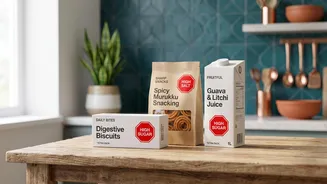
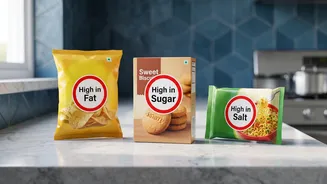
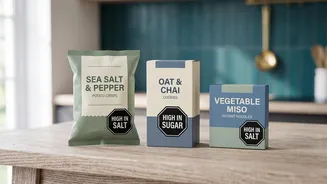
The Food Safety and Standards Authority of India (FSSAI) is proposing to place warning labels on the front of packaged food products. The current plan involves a red hexagon on a white background, which will clearly state if a product is high in nutrients
of concern like salt, sugar, or saturated fat. This is a significant shift from the current system, where detailed nutritional information is typically found in a small table on the back of the package, which can be difficult for shoppers to find and understand quickly. The goal is to make crucial health information impossible to miss, helping you make an informed choice in seconds.
Why India Needs New Labels
This regulatory push comes in response to growing public health concerns. India is facing a rise in non-communicable or lifestyle diseases like obesity, diabetes, and heart conditions. Health experts have linked this trend to the increasing consumption of ultra-processed foods, which are often high in sugar, salt, and unhealthy fats. The World Health Organization has recommended front-of-pack labels (FOPL) as a powerful tool to help consumers identify these unhealthy products and encourage healthier eating habits. By providing a simple, visual cue, the labels aim to empower millions of Indians to better manage their dietary intake and long-term health.
The Debate: Warnings vs. Stars
The journey to this new label has been long, with years of debate over the best format for India. Initially, FSSAI considered different systems, including a 'Health Star Rating' similar to what's used in Australia and New Zealand. This model rates foods on a scale of stars, supposedly indicating how healthy they are. However, many public health experts and consumer groups argued that star ratings could be misleading, creating a 'health halo' for unhealthy products. Studies and global evidence suggested that direct warning labels—like the proposed hexagon—are more effective at helping people identify and avoid unhealthy foods. After extensive consultation and intervention from the Supreme Court, the consensus has shifted towards these clearer, more direct warnings.
How the New System Is Expected to Work
Under the latest proposals submitted to the Supreme Court, FSSAI plans a single-phase rollout. A red hexagonal symbol will appear on any packaged food that exceeds the specified limits for sugar, salt, or saturated fat. A key point of recent discussion has been whether a warning should appear if just one nutrient is too high. Health experts and even the Supreme Court have pushed for this, arguing against an earlier proposal to only label foods high in two or more nutrients. The thresholds will be based on scientific guidelines from the Indian Council of Medical Research (ICMR). Certain single-ingredient products like pure ghee, oil, salt, and sugar would likely be exempt.
What This Means for Your Grocery Cart
Once implemented, these labels will change how you shop. Instead of turning over every packet to read the fine print, you'll be able to see a clear warning at a glance. If a snack has a red hexagon that says 'High in Sugar,' you'll immediately know its contents without needing to be a nutrition expert. This is designed to simplify choices, especially for busy parents shopping for their families or anyone trying to follow a healthier diet. While FSSAI has proposed a transition period for food companies to comply, the Supreme Court has questioned the lengthy timeline, emphasizing the urgency of public health. The final verdict is pending, but a major change to food packaging is on the horizon.