






Embracing a Greener Tradition
Rangoli is more than just decoration; it's a timeless art form believed to invite good fortune and positive energy. Traditionally, natural materials were always at the heart of these intricate designs. By choosing fresh flower petals and homemade rice
colors over synthetic powders, you're not only reviving an age-old practice but also making a conscious choice that is kinder to the environment. These natural materials are biodegradable, safe for children and pets, and add a unique texture and fragrance that commercially produced colors simply cannot match. This approach connects us back to the roots of the tradition, turning a festive ritual into a celebration of nature itself.
Creating Your Homemade Rice Colors
Making your own rangoli colors from rice is a simple and rewarding process. You can use either uncooked rice grains for a textured look or rice flour for a finer powder. For colored rice, place one cup of uncooked rice per color into a resealable plastic bag. Add a few drops of liquid food coloring and a tablespoon of vinegar, which helps the color set. Seal the bag and shake it vigorously until every grain is evenly coated. Spread the colored rice on paper and let it air dry for one to two hours. For a powdered version, you can mix rice flour with natural colorants like turmeric for a vibrant yellow, beetroot powder for red, or spinach powder for green. Mix the powder and colorant thoroughly until you achieve your desired shade. Store your homemade colors in airtight jars, ready for your masterpiece.
Preparing Your Marigold Petals
Marigolds, or 'genda phool', are a staple in Indian festivals, symbolizing prosperity, purity, and the vibrant energy of the sun. Their sturdy petals and bright orange and yellow hues make them perfect for rangoli. For the best results, use fresh flowers. Gently pluck the petals from the flower heads and keep the different shades—bright yellow, deep orange—in separate bowls. This will make it easier to create patterns and contrasts in your design. Remove any green stems or leaves. If you work on a slightly damp, clean surface, the petals will stay in place better and remain fresh for longer.
A Step-by-Step Guide to Your Design
With your materials ready, it's time to bring your vision to life. First, ensure the surface at your doorstep is clean and flat. Use a piece of chalk to lightly sketch your design. For beginners, simple geometric shapes like circles, squares, or floral patterns radiating from a center point are a great start. Begin your rangoli from the center and work your way outwards to avoid smudging your work. Start by creating an outline with your homemade white rice flour or petals. Then, begin filling in the larger sections. Use your fingers to gently place the marigold petals, arranging them in dense layers for a rich effect. Alternate between orange and yellow petals to create dynamic rings of color. For finer details or contrasting textures, fill smaller sections with your colored rice.
Design Inspiration and Finishing Touches
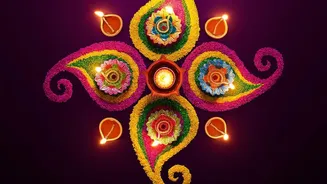
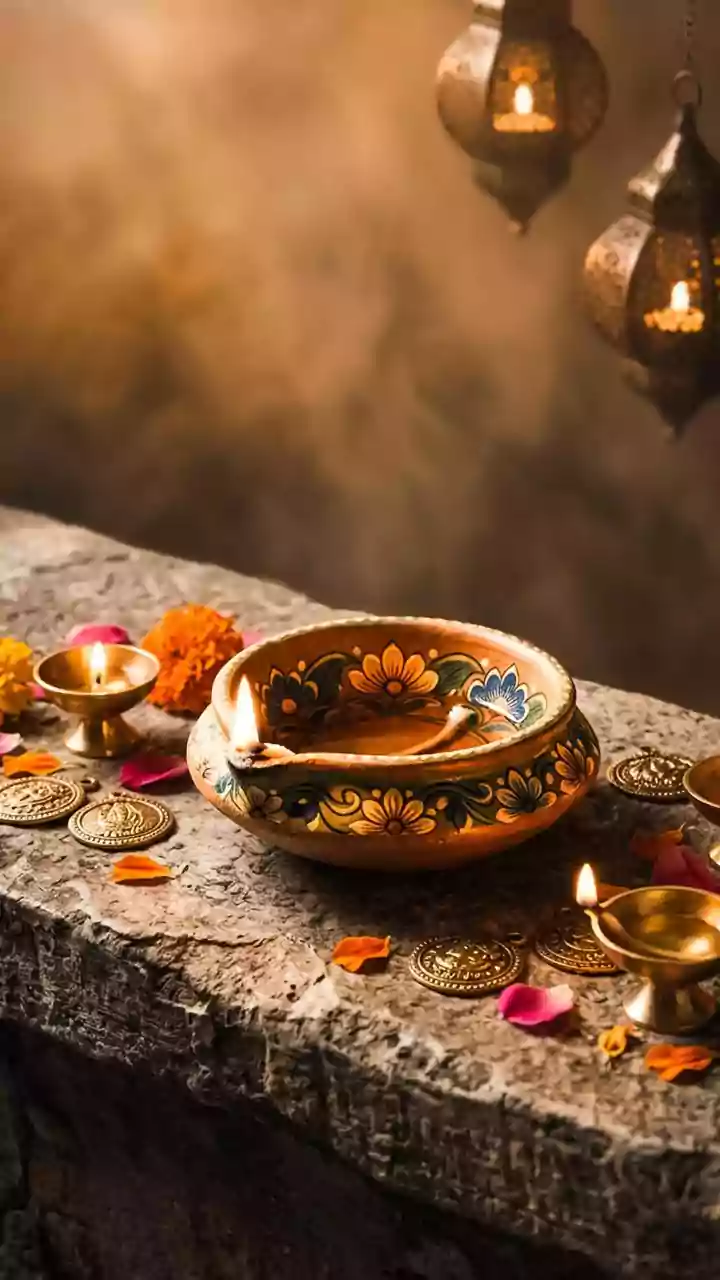
The beauty of an eco-friendly rangoli lies in its natural charm. Consider a simple circular design with concentric rings of yellow and orange marigold petals. Another beautiful idea is a large lotus or flower pattern, using petals to form the shape and rice colors to add detail at the center. You can also incorporate other natural elements like green leaves to create a border, which makes the warm colors of the marigolds pop. For a final touch, especially for an evening display, place clay diyas or tealights in the center or around the edges of your rangoli. The gentle flicker of the flame will illuminate the petals and colors, creating a truly magical and welcoming entrance to your home.