


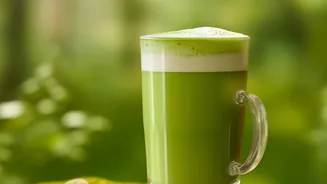
The Afternoon Slump Gets a Green Makeover
The mid-afternoon energy dip is a well-documented phenomenon, often hitting between 1 PM and 4 PM due to our natural circadian rhythms. For years, the default solution has been a strong cup of coffee to power through the rest of the workday. However,
a growing number of professionals, particularly in the dynamic environments of co-working spaces in cities like Mumbai, Bengaluru, and Delhi, are turning to matcha. This isn't just about trying a new, trendy beverage; it's a strategic move to manage energy and focus more effectively. The shift reflects a broader trend towards wellness and mindful productivity that is reshaping modern work culture.
Calm Alertness: The Science Behind the Sip
The core appeal of matcha lies in its unique chemical composition. While both coffee and matcha contain caffeine, the experience they deliver is vastly different. A typical cup of coffee delivers a quick, sharp spike of energy. Matcha, on the other hand, provides what many describe as a state of 'calm alertness'. The secret is L-theanine, an amino acid abundant in shade-grown green tea leaves used to make matcha. L-theanine works synergistically with caffeine, slowing its absorption into the bloodstream. This promotes a gradual, sustained release of energy that can last four to six hours, as opposed to coffee's typical three-to-five-hour cycle that often ends in a crash. Research confirms that the combination of L-theanine and caffeine can improve attention and reaction time while reducing the jitteriness and anxiety that caffeine alone can cause.
Coffee's Jolt vs. Matcha's Steady Flow
For many, the problem with an afternoon coffee isn't just the inevitable crash. The high, fast-acting dose of caffeine—around 95 mg in a standard cup versus 40-70 mg in a serving of matcha—can lead to jitters, a racing heart, and scattered thoughts. This can be counterproductive when deep focus is required. Matcha's L-theanine content helps to counterbalance these effects, promoting the production of alpha brain waves associated with a state of relaxed concentration. Professionals who have made the switch report feeling more focused and productive without the nervous energy. They experience a smoother, longer-lasting boost that helps them navigate demanding tasks with greater mental clarity. It's less of a jolt and more of a steady, reliable current of energy.
A Ritual for Modern Wellness
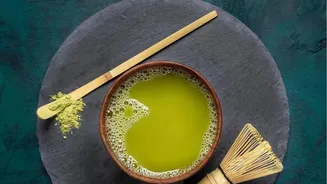
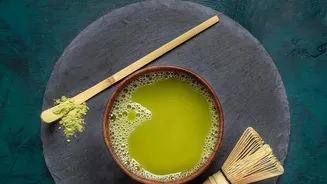
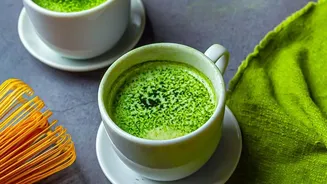
The move toward matcha is also intertwined with a larger cultural shift towards wellness. In a work culture that increasingly values mental health and work-life balance, matcha offers more than just a caffeine fix. The traditional preparation of matcha, which involves whisking the fine powder into hot water, can be a mindful, calming ritual in itself. Beyond focus, matcha is packed with health benefits. Because you consume the entire ground leaf, you get a potent dose of antioxidants, particularly EGCG (epigallocatechin gallate), which is linked to reduced inflammation and cellular protection. Matcha contains up to 137 times more EGCG than standard brewed green tea, making it a nutritional powerhouse that supports everything from metabolism to detoxification.
How to Start Your Matcha Journey
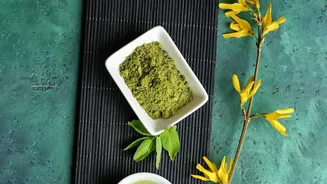
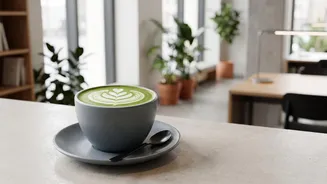
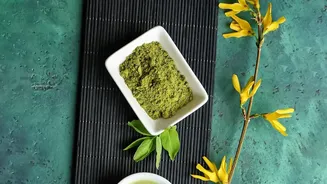
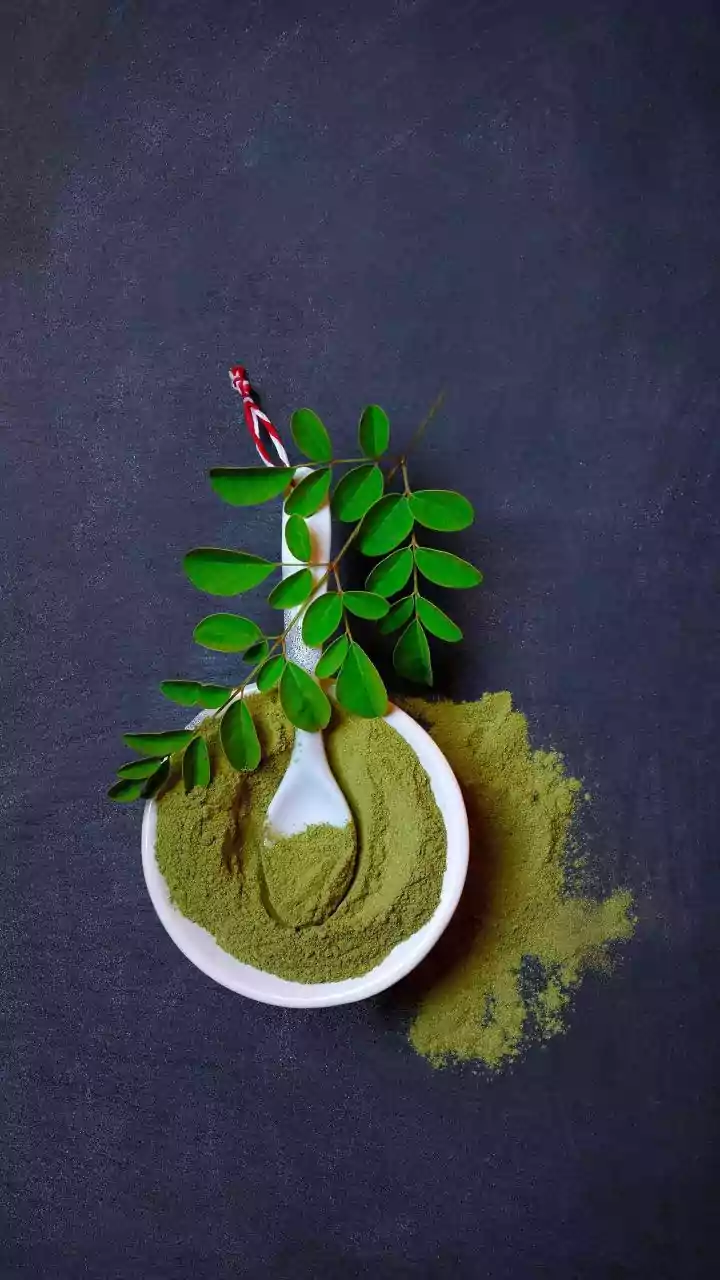
The growing popularity of matcha means it's more accessible than ever. Cafes in major Indian cities now feature everything from traditional matcha tea to inventive matcha lattes. For those looking to make it at home or the office, starting with a good quality powder is key—look for a vibrant green color, which indicates freshness and high quality. Ceremonial grade matcha is considered the highest quality and is best for drinking on its own with water, while culinary grade is suitable for lattes and other recipes. Many find that replacing just one afternoon coffee with a matcha is a good way to start, allowing the body to adjust. The earthy, umami flavour can be an acquired taste, but its versatility in both hot and cold drinks makes it easy to adapt to individual preferences.