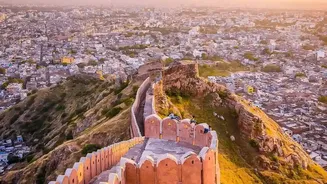

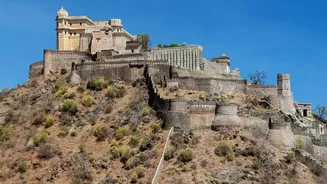
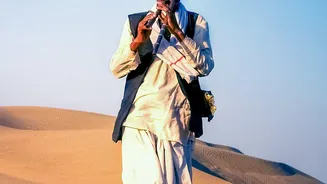
Beyond the Golden Triangle
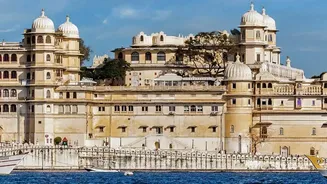
For decades, Rajasthan's tourism story has been written around a few key cities: Jaipur, Jodhpur, and Udaipur. This well-trodden circuit, while magnificent, is creaking under its own success. Recent years have seen a surge in visitors, leading to what
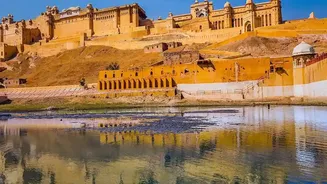
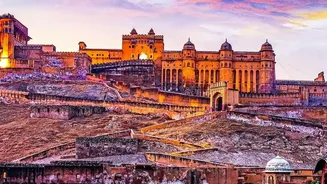
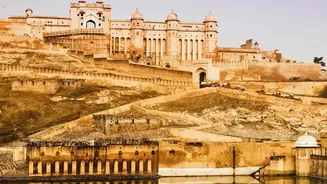
is often called 'overtourism'. Famous landmarks like Amber Fort face massive crowds, straining local infrastructure and sometimes diluting the very magic that travellers seek. This concentration of tourists in just a handful of places creates a paradox: a state vast and varied is experienced by many through the same crowded lens, while other regions remain largely unexplored.
A Strategic Shift in Focus
In response, the Rajasthan government is actively widening its tourism strategy. The new focus is on promoting emerging regions and experiences beyond the traditional forts and palaces. According to tourism secretary Suchi Tyagi, the goal is to position Rajasthan as a destination offering diverse experiences, from wildlife and wellness to rural and adventure tourism. Initiatives like developing new themed circuits, such as a Tribal Tourist Circuit and a Maharana Pratap Tourist Circuit, are underway to distribute tourist footfall more evenly. This push is supported by events like the Rajasthan Domestic Travel Mart, which is now being used to spotlight regions like Marwar.
The Rise of the Unseen
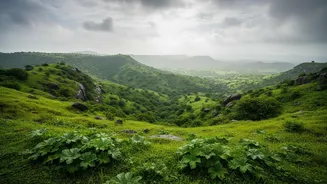
This official push is bringing long-overlooked destinations into the spotlight. Places like Bundi, a charming town of blue-painted houses and over 50 stepwells (baoris), offer a glimpse of regal Rajasthan without the crowds of Jodhpur. The Shekhawati region, known as an 'open-air art gallery', is famed for its beautifully frescoed havelis in towns like Mandawa and Nawalgarh. For wildlife enthusiasts, Jawai presents a unique landscape where leopards and local communities coexist among granite hills, offering a different kind of safari experience. Meanwhile, places like Banswara, the 'City of a Hundred Islands', showcase a greener, more water-rich side of the state that defies the desert stereotype.
What This Means for Travellers
This strategic pivot is a game-changer for visitors. It's an invitation to experience a more authentic and intimate side of Rajasthan. Exploring these emerging destinations means fewer queues, more meaningful interactions, and the chance to see landscapes and cultures that have been hiding in plain sight. It also allows tourism revenue to support a wider range of local economies. The state is backing this up with policies designed to make these areas more accessible, including a new homestay policy to expand accommodation options and encourage community participation. For the modern traveller seeking unique stories and sustainable choices, the case for venturing beyond the famous cities has never been stronger.