



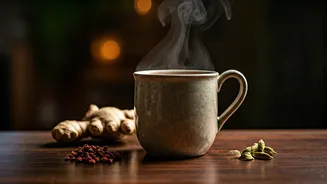



A Hug in a Mug
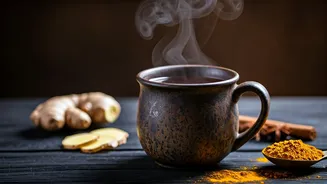
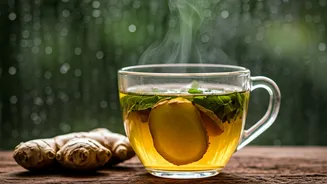
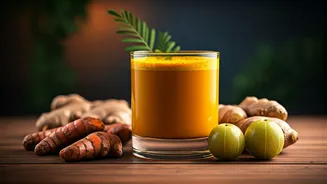
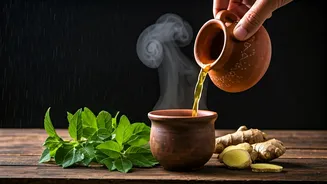
For millions of Indians, the first sign of a scratchy throat or a sneeze during the rainy season triggers an almost instinctual response: “Have some kadha.” This potent, amber-coloured decoction is more than a home remedy; it’s a form of care passed down
through generations. It’s the taste of a mother’s concern, a grandmother’s wisdom, and the comforting promise of relief. The act of preparing and sipping a warm cup of ginger-tulsi kadha is deeply woven into the cultural fabric of the monsoon, a season that brings both joy and a host of ailments like colds, coughs, and fevers. The kadha stands as a warm, flavourful shield against the damp chill and the seasonal sniffles.
The Ayurvedic Blueprint
The tradition of drinking kadha is deeply rooted in Ayurveda, India's ancient system of medicine. In Ayurvedic terms, the monsoon or ‘Varsha Ritu’ is a period when the body's digestive fire (Agni) is weakened and the Vata dosha (the energy associated with air and space) is aggravated. This imbalance can make the body more susceptible to infections. Kadhas, or herbal decoctions, are designed to restore this balance. Ginger is valued for its ability to kindle Agni, while Tulsi is revered for its ability to pacify Vata and Kapha doshas. The combination is a classic Ayurvedic prescription for boosting immunity and maintaining wellness when the weather turns.
The Power of Ginger (Adrak)
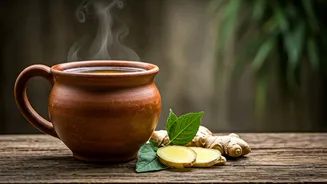
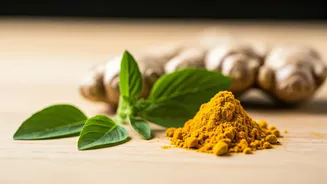
The humble ginger root is a powerhouse, and modern science is catching up to what our ancestors knew. The main bioactive compound in ginger is gingerol, which is responsible for its distinctive fragrance and flavour, as well as many of its medicinal properties. Gingerol has powerful anti-inflammatory and antioxidant effects. This is why it’s so effective at soothing a sore throat and reducing the inflammation that comes with respiratory infections. Furthermore, ginger is a well-known diaphoretic, meaning it induces sweating. This can help the body gently lower a fever and expel toxins, providing a sense of relief when you're feeling under the weather.
The Sacred Touch of Tulsi
Tulsi, or Holy Basil, isn't called the 'Queen of Herbs' for nothing. It holds a sacred place in Indian households and is a cornerstone of Ayurvedic medicine. Tulsi is classified as an adaptogen, a natural substance that helps the body adapt to stress and exert a normalizing effect on bodily processes. Scientific studies have highlighted its potent antimicrobial, antiviral, and antifungal properties, making it a formidable ally against the pathogens that thrive in the damp monsoon environment. Its immunomodulatory effects mean it can help regulate and strengthen the immune system, making your body's natural defences more robust and ready to fight off infections.
A Synergistic Blend
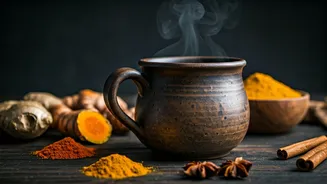
The magic of ginger-tulsi kadha lies not just in the individual ingredients but in their synergy. When brewed together, their properties are enhanced. Often, the recipe doesn't stop at just two ingredients. A few peppercorns (kali mirch) are frequently added. The piperine in black pepper is known to increase the bioavailability of other compounds, meaning it helps the body absorb the goodness of ginger and tulsi more effectively. Other common additions like cloves, cinnamon, and a spoonful of honey not only improve the taste but also bring their own antimicrobial and soothing properties to the brew. It's a carefully crafted team of natural defenders working in unison.