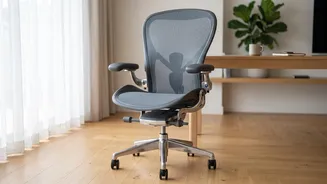








The modern office can be hazardous to your health. Hours spent sitting at a desk contribute to a sedentary lifestyle, which is linked to numerous health issues. But simple changes, like standing more and walking during meetings, can make a huge impact.
1. Counteract the Dangers of Sitting
The phrase 'sitting is the new smoking' has gained traction for a reason. A sedentary lifestyle, where one spends a majority of the day seated, is associated with a higher risk of developing chronic conditions like heart disease, type 2 diabetes, and even some cancers. Prolonged sitting slows metabolism and circulation. Standing desks and walking meetings directly interrupt these long periods of inactivity. By simply substituting standing for sitting for a few hours a day, you increase blood flow and break the sedentary cycle that poses a significant long-term health risk. Even short, active breaks can help mitigate the negative effects of an otherwise stationary workday.
2. Improve Posture and Reduce Back Pain
Lower back pain is one of the most common complaints among office workers, often stemming from poor posture while seated. Sitting for extended periods can increase pressure on the spinal discs by up to 90% compared to standing. This leads to slouching, muscle stiffness, and chronic discomfort. A standing desk encourages a more neutral spinal alignment. Alternating between sitting and standing is key, as it prevents the body from becoming stiff in one position. This dynamic movement engages core muscles that support the spine, which often become inactive during long bouts of sitting. The result is often a noticeable reduction in back and neck strain.
3. Burn More Calories
While it won't replace a gym session, choosing to stand instead of sit does increase your energy expenditure. On average, standing burns more calories per hour than sitting, with estimates ranging from an extra 20 to 50 calories depending on your body weight and muscle mass. A study in the European Journal of Preventive Cardiology calculated that substituting standing for sitting for six hours a day could burn an extra 54 calories. While that may not sound like much, it adds up over weeks and months. Walking meetings take this a step further, significantly increasing your daily activity and calorie burn, contributing to the recommended 150 minutes of moderate physical activity per week.
4. Boost Energy and Mood
Physical movement, even low-intensity activity like standing or walking, has a direct effect on your mental state. Moving your body improves circulation, which in turn increases energy levels. Studies on walking meetings have shown that participants often feel more relaxed, energized, and less socially isolated afterward. This physical activity can help release endorphins, the body's natural mood elevators, combating feelings of lethargy and stress that can build up during a long day at a desk. A University of Miami pilot study found that walking meetings were correlated with improved mood and productivity among workers.
5. Spark Creativity and Collaboration
Moving your body can also get your brain moving. Research from Stanford University found that walking, whether indoors or outdoors, can increase creative output by an average of 60 percent. This is because walking engages different thought processes and can break you out of a mental rut. Walking meetings also change the social dynamic. Instead of a formal, hierarchical setting across a table, walking sideward side can feel more collaborative and less confrontational, fostering more open and honest communication. This informal atmosphere helps build stronger relationships among colleagues and can lead to more innovative problem solving.