





What Is the Push-Pull-Legs (PPL) Split?
The Push-Pull-Legs split is a training method that has become a favourite for bodybuilders and casual gym-goers alike. [4, 6] It's praised for its efficiency and logical structure. [5] Instead of organising workouts by individual body parts (like a 'chest
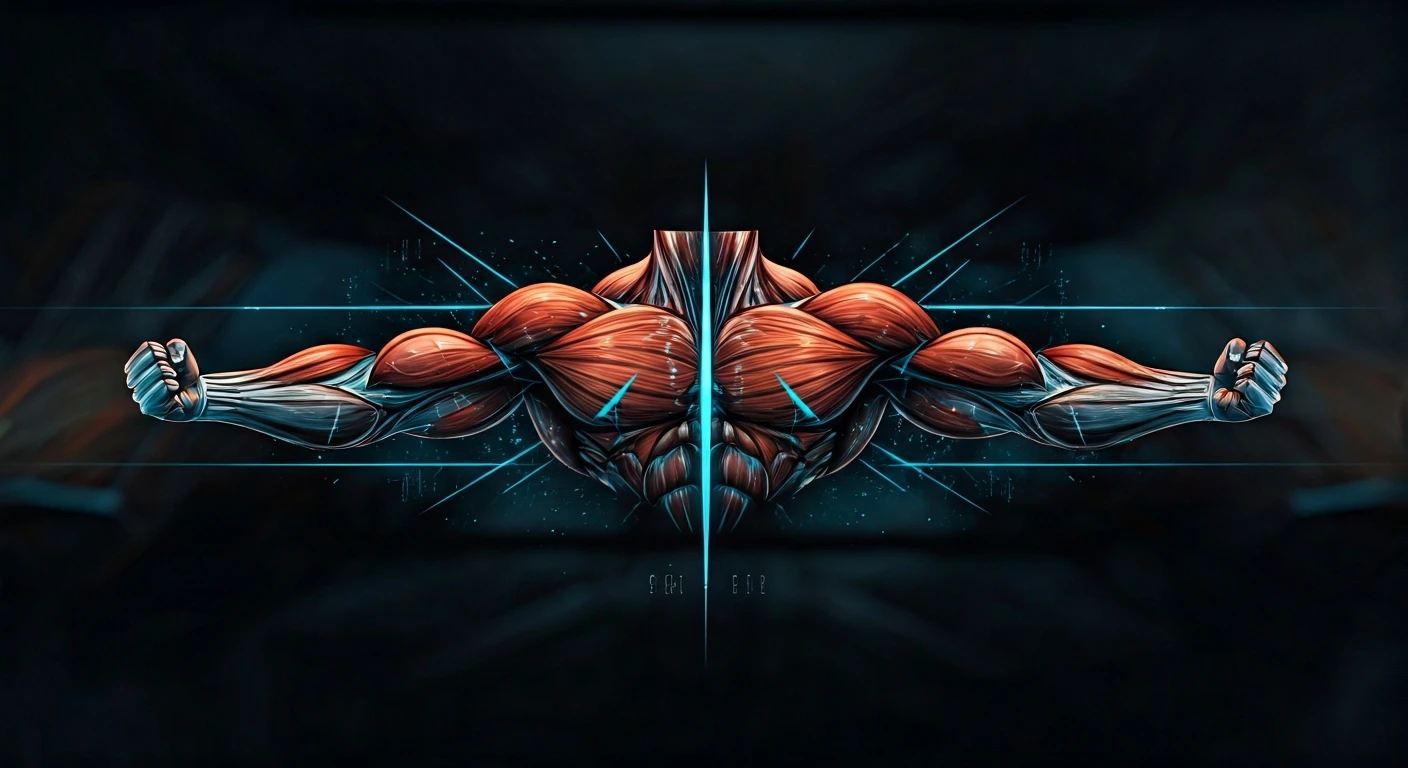
day'), PPL groups them by movement pattern. [4] Here’s the simple breakdown: * **Push Day:** You train all the upper body muscles used in pushing movements. This primarily includes the chest, shoulders, and triceps. [5, 10] * **Pull Day:** This day is dedicated to the upper body muscles used for pulling. Think back and biceps. [5, 10] * **Leg Day:** As the name implies, this workout focuses entirely on the lower body, including your quads, hamstrings, glutes, and calves. [5, 10] By grouping muscles that naturally work together, you create a synergistic and effective workout while ensuring other muscle groups get adequate rest. [5]
Why Is It So Popular?
The PPL split's popularity isn't just hype; it's rooted in solid training principles that deliver results. One of its main advantages is optimised recovery. [8] When you're having a 'Push' day, your 'Pull' and 'Leg' muscles are resting, which can prevent overtraining and promote better muscle repair and growth. [4, 8] This structure allows you to train each muscle group more frequently—often twice a week in a 6-day cycle—which research suggests can be optimal for building muscle and strength. [4]
Furthermore, PPL is incredibly versatile. [6] It can be adapted into a 3-day, 5-day, or 6-day routine, making it suitable for various schedules and fitness levels. [4, 9] This flexibility allows you to balance strength training with other activities like cardio or sports. [4] The logical grouping of exercises also makes workouts feel more engaging and can lead to increased motivation and consistency. [8]
A Sample PPL Weekly Schedule
The beauty of PPL is its adaptability. For those just starting or with a busy schedule, a 3-day split is a great entry point. For more advanced lifters aiming for higher volume, a 6-day split is common.
**3-Day PPL Split Example:**
* **Monday:** Push Day (Chest, Shoulders, Triceps)
* **Tuesday:** Rest
* **Wednesday:** Pull Day (Back, Biceps)
* **Thursday:** Rest
* **Friday:** Leg Day (Quads, Hamstrings, Glutes, Calves)
* **Saturday/Sunday:** Rest [4]
**6-Day PPL Split Example:**
This more intense version hits each muscle group twice per week. [4]
* **Monday:** Push Day
* **Tuesday:** Pull Day
* **Wednesday:** Leg Day
* **Thursday:** Push Day
* **Friday:** Pull Day
* **Saturday:** Leg Day
* **Sunday:** Rest [9]
On 'off' days, active recovery like light cardio or stretching can aid circulation and muscle repair. [9]
Is This Split Right for You?
PPL is highly effective, but it's not a one-size-fits-all solution. For absolute beginners new to strength training, a full-body routine 2-3 times per week might be a better starting point to build a foundational level of strength and endurance. [2, 5] PPL is often considered ideal for intermediate and advanced lifters who can handle the volume and are looking to maximise muscle growth. [2, 5, 21]
However, beginners can still use a modified PPL split. [4] By starting with a 3-day routine and focusing on perfecting form with lighter weights, newcomers can ease into this training style effectively. [7] The key is to listen to your body and ensure you're getting enough rest and nutrition to support the demanding schedule, especially on a 6-day split. [4]
PPL vs. Other Common Splits
To understand PPL's advantages, it helps to compare it to other popular routines.
* **The 'Bro Split' (Body Part Split):** This involves training one or two muscle groups per day (e.g., Chest Day, Back Day, etc.). [12, 15] While it allows for high volume on a specific muscle, each group is typically only trained once a week, which may be less optimal for growth compared to the higher frequency of PPL. [4, 13]
* **The Upper/Lower Split:** This method divides workouts into upper-body days and lower-body days, usually over a 4-day week. [12, 19] It's an excellent, balanced routine and a great alternative to PPL, offering a solid twice-a-week frequency for muscle groups. [19] The choice between PPL and Upper/Lower often comes down to personal preference and schedule.
* **The Arnold Split:** Popularised by Arnold Schwarzenegger, this split typically involves pairing chest and back on one day, shoulders and arms on another, and legs on a third. [11] It can be very effective but may pose recovery challenges for some by training large, opposing muscle groups together. [14]