


A Shift from Seeing to Sensing
A subtle but significant shift is reshaping how Indians approach rainy-season travel. The focus is moving away from destination-hopping and sightseeing checklists towards deep, immersive experiences. Travellers are no longer content to just see the fog
roll over the hills in Coorg or the waves crash in Goa. Instead, they want to participate, learn, and connect with the season on a more personal level. This trend, often called experiential travel, prioritizes meaningful activities and sensory engagement over simply covering ground. It's the difference between taking a photo of a tea garden in Munnar and participating in a tea-plucking and tasting workshop amidst the rain-drenched estates. The destination is becoming a backdrop for a chosen experience, whether it's a wellness retreat, a culinary workshop, or a nature-focused adventure that is specifically enhanced by the monsoon.
What's Driving This Change?
Several factors are fueling this evolution. For many, it's a reaction to the over-commercialization and crowding of prime tourist spots. The monsoon, traditionally an off-season, offers a quieter, more authentic glimpse of a place. This has given rise to the 'slow travel' philosophy, where the journey itself is the reward. Travellers are choosing to spend more time in one place, engaging with the local community and rhythm of life, rather than rushing through an itinerary. Furthermore, there is a growing desire for personal growth and creating lasting memories over collecting souvenirs. Young travellers in particular, influenced by unique stories shared on social media, are seeking out activities that are personal and transformative. This could mean anything from learning pottery in a rain-lashed village to enrolling in a week-long Ayurveda program in Kerala, which is considered most effective during the monsoon.
Monsoon-Centric Experiences
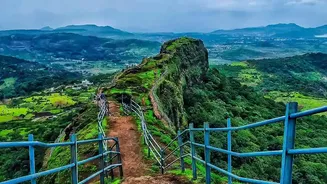
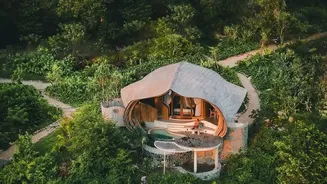
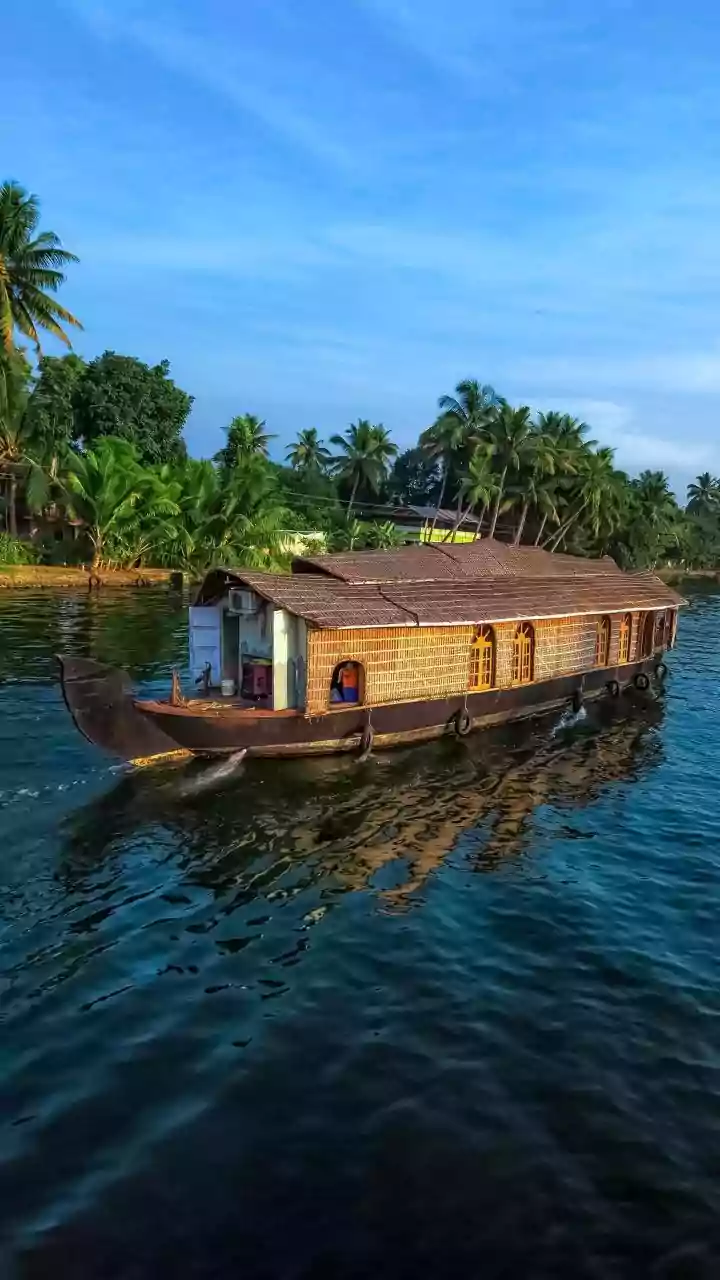
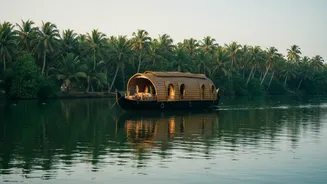
So, what do these experience-led holidays look like? They are incredibly diverse. Wellness is a huge driver, with Ayurveda retreats in Kerala and yoga centres in Rishikesh seeing a surge in interest. The rainy season is traditionally seen as the ideal time for these rejuvenation therapies. Nature and adventure enthusiasts are opting for guided monsoon treks in the Sahyadris, exploring the Valley of Flowers when it's in full bloom, or taking thrilling river rafting trips. Culinary tourism is another burgeoning area. Travellers are signing up for cooking classes that focus on seasonal ingredients or going on food tours that explore rainy-day delicacies specific to a region. Even luxury travel is being redefined, with high-end resorts in places like Coorg and the backwaters of Kerala offering curated monsoon experiences like plantation walks, bird watching, and spa treatments accompanied by the sound of the rain.
The Rise of the Hyperlocal Holiday
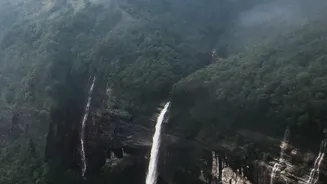
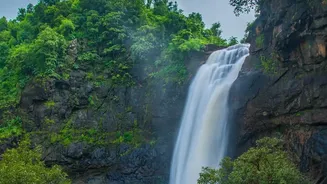
This trend isn't just about travelling far and wide. The emphasis on experience is also boosting local tourism and the popularity of 'workations' and weekend getaways. People are discovering that they don't need to travel for days to have a meaningful break. A short drive from the city can lead to a boutique farm stay offering organic farming workshops or a homestay near a thundering waterfall. Destinations like Lonavala, Mahabaleshwar, and Wayanad are seeing a boom in bookings, not just for their scenic beauty, but for the unique activities they offer. This hyperlocal approach makes monsoon travel more accessible, allowing people to take multiple short breaks focused on specific interests, whether it's cycling through lush countryside or simply enjoying a quiet weekend at a laptop-friendly café with a view of the rain.