






The Rise of the AI-Polished Candidate
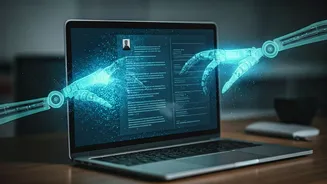
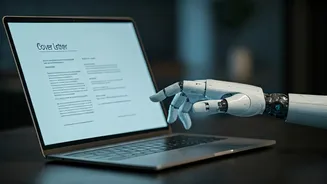
In today's competitive job market, it is no surprise that candidates are using every tool available to get an edge. Generative AI has become a popular co-pilot, helping job seekers draft compelling cover letters, optimise resumes with keywords, and even
prepare for interviews by generating potential questions and answers. Recent data shows a significant portion of job seekers use AI to assist with their applications. This has led to an influx of highly polished, well-structured, and seemingly perfect applications, creating what one recruitment CEO called a sea of applications that “pretty much look the same.” While these tools can help candidates articulate their experience more clearly, they also create a new challenge for recruiters: distinguishing the real person from the AI-generated polish.
The Problem with Flawless Answers
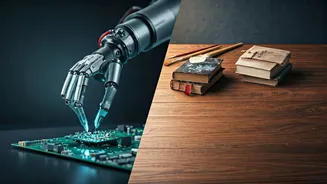
The issue isn't that using AI is cheating; many recruiters view it as a normal productivity tool. The problem is that over-reliance on AI can strip an application of its most crucial element: personality. AI-generated text often lacks a genuine voice and can feel generic or impersonal. Recruiters are growing wary of these flawless-but-soulless applications, with a significant number reporting they can spot AI-written content quickly. When an answer sounds too perfect or overly formal, it raises a red flag. It suggests a lack of genuine effort and, more importantly, it robs the recruiter of the chance to understand the candidate's unique thought process, motivations, and cultural fit.
What 'Authenticity' Means in an Interview
Authenticity in a job interview doesn't mean being unfiltered. It means connecting your personal experiences, skills, and personality to the requirements of the role in a way that is genuine. Recruiters are trained to look beyond keywords and scripted responses. They want to see your real-world problem-solving skills, not just hear a perfectly structured story. This is why many hiring managers are now prioritising behavioural and situational questions that start with prompts like, “Tell me about a time when…” These questions require candidates to draw from lived experience, revealing self-awareness and learning agility—qualities that AI cannot easily fabricate.
The Search for Soft Skills and Cultural Fit
While AI is efficient at screening for technical qualifications, it consistently struggles to assess the soft skills that are critical for success in any role: communication, teamwork, adaptability, and emotional intelligence. These are nuances of human interaction that algorithms can't yet measure. A candidate’s nervousness might be misinterpreted by AI as low confidence, for instance. More importantly, AI cannot determine cultural fit—whether a candidate’s values, work style, and personality will mesh with the existing team. This remains a fundamentally human judgment, and it's often the deciding factor in hiring decisions. A person who aligns with the company culture is more likely to be engaged, productive, and stay with the company long-term.
How Recruiters Are Adapting
To find authentic candidates amidst the noise, recruiters are evolving their methods. Many companies are reintroducing in-person final-round interviews to get a clearer view of a candidate's interpersonal skills. Hiring managers are also being trained to look past a confident delivery and focus on the evidence and outcomes in a candidate's answers. They build in spontaneity with unplanned follow-up questions to see how candidates think on their feet. The goal isn't to catch candidates out, but to get past the rehearsed performance and have a real conversation. Some companies are also becoming more transparent about their own use of AI in the hiring process and clarifying what they expect from candidates in return.