
A Sudden, Unforeseen Deluge
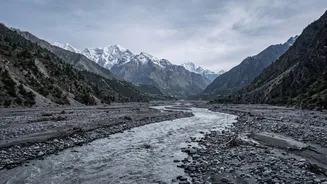
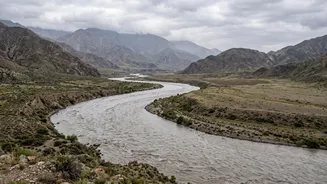
For residents along the Seti River near Pokhara, the day of the disaster began like any other. Yet, there had been odd signs. In the weeks prior, the typically roaring, milky-white river had slowed to a strange trickle, its water turning unusually clear.
No one connected these omens to the horror that was to come. Around 9:30 AM on May 5, 2012, a slurry of rock, sediment, and water surged through the valley. It obliterated homes, swept away bridges, and tragically claimed 72 lives, leaving a scar on the landscape and the community that remains to this day. Eyewitnesses described a sound like a low-flying helicopter before the wave hit, engulfing everything in its path.
Searching for a Cause
In the chaotic aftermath, speculation about the flood's origin was rampant. Initial theories pointed towards a Glacial Lake Outburst Flood (GLOF), a common hazard in the Himalayas where a lake formed by melting glaciers breaches its natural dam. Others suspected an earthquake had triggered a landslide. The seismic signals were confusing; monitoring stations registered ground shaking, leading some to initially report it as a tectonic event. However, glaciologists and geologists were skeptical. Experts from the International Centre for Integrated Mountain Development (ICIMOD) quickly discounted the GLOF theory, noting there were no major glacial lakes in that specific watershed capable of producing such a flood. The real culprit, they suspected, was something different.
The Science of a Rock-Ice Avalanche
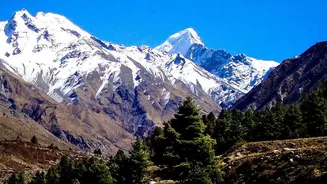
Intensive investigation, using satellite imagery and fieldwork, pieced together the true, multi-stage cause. The disaster didn't start on May 5th but weeks earlier, with a series of smaller rockfalls partially damming the narrow Seti gorge. The final, cataclysmic trigger was a massive rock and ice avalanche from a ridge high on Annapurna IV, one of the region's towering peaks. A huge section of rock face, estimated to be around 22 million cubic metres, broke free and plummeted thousands of metres. The friction and force of this fall were so immense that they pulverized rock and melted vast quantities of ice, creating a super-heated, fast-moving slurry. This torrent then slammed into the partially dammed gorge, bursting it and releasing the pent-up water and debris downstream with explosive force. The seismic activity recorded was not the cause, but the result of the massive avalanche hitting the ground.
The Human Cost and Lingering Risk
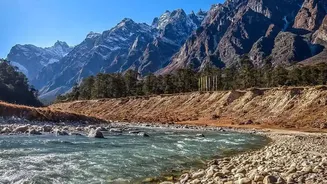
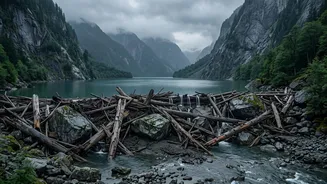
The flood had a devastating human impact, with over 70 people confirmed dead or missing, including villagers and a few foreign tourists. The landscape itself was permanently altered, with debris piled up to 15 metres high along the riverbanks. The event served as a brutal reminder of the inherent dangers of living in the shadow of the world's tallest, most active mountains. Scientists warn that the danger has not passed. The geological processes that triggered the 2012 rockfalls are still at play. The very geography of the Seti gorge—exceptionally deep and narrow—makes it prone to similar blockages in the future. The question is not if another event will happen, but when, and whether communities can adapt to mitigate the risk.
A Himalayan-Sized Warning
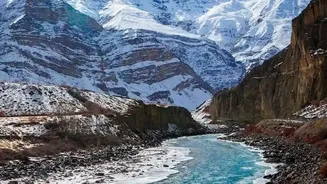
While scientists concluded the 2012 Seti flood was not directly caused by global warming, it highlights the broader fragility of the Himalayan region. As global temperatures rise, glaciers across the Himalayas are retreating at an accelerated pace. This retreat is contributing to the formation of thousands of new and expanding glacial lakes, significantly increasing the risk of GLOFs across Nepal, Bhutan, India, and Pakistan. These events, whether from a rock-ice avalanche like on the Seti or a classic GLOF, represent a growing threat to the nearly two billion people who rely on the water from Himalayan river systems. Understanding the precise mechanisms of these disasters is the critical first step in developing early warning systems and adaptation strategies for a region on the front lines of a changing climate.