






The Allure and Anxiety of Monsoon Travel
There is a unique magic to travelling in India during the monsoon, which typically lasts from June to September. The countryside erupts in vibrant shades of green, waterfalls roar back to life, and popular tourist spots are often quieter and more peaceful.
However, this atmospheric season also brings significant travel challenges. Heavy rainfall can lead to flight delays, train cancellations, waterlogged roads, and, in hilly regions, an increased risk of landslides. This unpredictability can turn a dream vacation into a logistical nightmare, with missed connections and cancelled bookings. Instead of a relaxing getaway, you might find yourself stranded or constantly rearranging your schedule. While it’s tempting, tight itineraries with back-to-back plans leave no room for error, creating stress when the inevitable disruptions occur.
What Exactly is a Buffer Day?
A buffer day is a simple yet powerful travel planning tool. It is an extra, un-booked day strategically inserted into your itinerary. It’s not for sightseeing or scheduled activities; its primary purpose is to absorb the shock of unexpected delays. Think of it as a safety net for your schedule. If your train is delayed by several hours or a landslide closes a mountain road, you have a built-in cushion. Instead of panicking about a missed hotel check-in or a connecting flight, the buffer day gives you breathing room. This concept encourages a more flexible mindset, which is essential for enjoying monsoon travel rather than just enduring it.
Your Shield Against Transport Troubles
Transportation is the most common casualty of monsoon weather. Poor visibility from heavy rain can cause flight delays, rerouting, or cancellations. Waterlogging on tracks often forces trains to run at a much slower pace. For road travellers, conditions can be even more precarious. Slippery roads reduce vehicle traction, and heavy downpours decrease visibility, making driving hazardous. Building buffer days around your key travel legs is a smart strategy. For instance, if you have a crucial flight to catch, plan to arrive in the departure city a day early. This way, even if your initial train or bus journey is delayed, you won't risk missing your flight. Early morning flights are also generally more reliable, as delays tend to accumulate throughout the day.
Navigating Roads in Hilly Regions
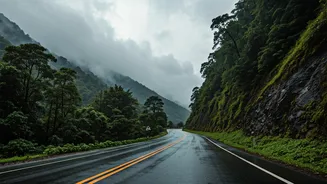
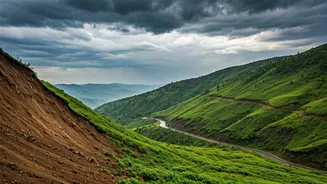
Travelling to hill stations like those in Uttarakhand, Himachal Pradesh, or the Western Ghats is especially popular during the monsoon for their stunning green landscapes. However, these areas are also the most vulnerable to weather-related disruptions. Heavy rains saturate the soil, leading to a higher risk of landslides and falling rocks, which can block highways for hours or even days. For road trips into the mountains, adding buffer days is not just a convenience—it's a critical safety measure. Authorities often advise against night driving in the hills during this season due to poor visibility and increased risks. A buffer day allows you to travel during daylight hours, drive more slowly and cautiously, and wait out a roadblock without the stress of a rigid schedule.
An Opportunity for Spontaneity
Buffer days are more than just a defensive strategy against chaos; they are an invitation for spontaneity. If your travel plans go smoothly, you suddenly have a free day to use as you please. This bonus time can be one of the most memorable parts of your trip. You could use it to simply rest and recover from a long journey. Or, you could explore a local market you hadn't planned to visit, try a nearby cafe, or revisit a spot you particularly enjoyed. This unscheduled time allows you to connect more deeply with a place, moving at a more relaxed and authentic pace without the pressure of a packed itinerary.
How to Plan Your Buffer Days
Integrating buffer days is straightforward. First, identify the riskiest parts of your itinerary. These are typically long-distance travel days, journeys through regions known for bad weather, or the day before a non-negotiable event like a wedding or an important flight. Add a buffer day immediately after these points. For a week-long trip to a high-rainfall area like Kerala or Goa, one buffer day is a good starting point. For a more complex two-week itinerary involving mountain roads, consider adding two or even three. When booking, choose flexible options for hotels and transport where possible, as this complements the buffer day strategy. And remember to stay updated on weather forecasts for both your route and destination.