






The New Reality of Indian Skies
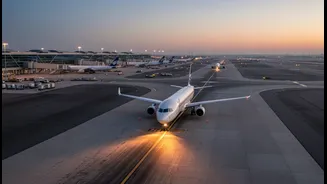
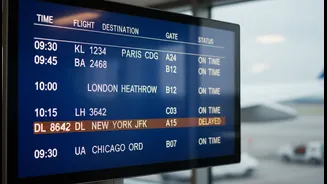
Flight disruptions have become a significant pain point for travellers in India. In May 2026 alone, delays impacted over 1.77 lakh passengers, while another 63,723 were affected by cancellations. These figures, released by the Directorate General of Civil
Aviation (DGCA), highlight a persistent issue stemming from a combination of factors, including airline staffing, air traffic congestion, and seasonal weather like monsoons and winter fog, which can slash on-time performance by up to 12 percentage points. This challenging environment is forcing passengers to become more strategic, realising that the cheapest ticket is not always the best value if it comes with a high risk of disruption.
Data, Not Deals, Drives Decisions
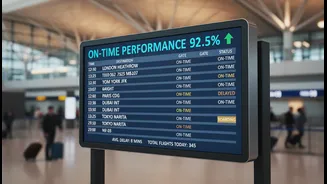
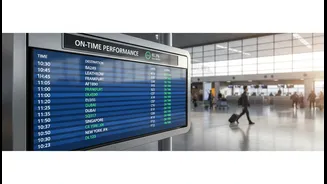
Experienced travellers are now acting like aviation analysts, and their primary tool is the DGCA's monthly On-Time Performance (OTP) report. This data reveals a clear hierarchy of reliability among Indian carriers. According to recent reports, IndiGo and Akasa Air consistently lead the pack with OTP rates often exceeding 80%. Air India, while improving, typically follows, and SpiceJet has lagged significantly, with one report noting an OTP of just 26.5%. These numbers are no longer just statistics; they are crucial decision-making tools. One analysis showed that 67% of business travellers were already filtering for airlines with an OTP above 78%. Brand loyalty is giving way to data-driven choices, as travellers vote with their wallets for predictability.
The Airport Matters, Too
It's not just about the airline; the airport itself plays a huge role. DGCA data from May 2026 ranked Chennai International Airport as the most punctual in the country with an impressive 92.2% OTP, also placing it 5th globally. In stark contrast, major hubs like Mumbai and Delhi often struggle with congestion, which has a cascading effect on schedules nationwide. Travellers are taking note, sometimes opting for routes through more reliable airports, even if it means a slightly less convenient itinerary. This strategic airport selection is another layer of the new, defensive approach to booking travel.
Smarter Booking Tactics Emerge
Beyond choosing reliable airlines and airports, passengers are adopting new booking habits to mitigate risks. Many are now avoiding the last flights of the day, which are most susceptible to cascading delays. Booking direct flights, even at a higher cost, is gaining popularity as it eliminates the risk of a missed connection. For itineraries that require a layover, savvy flyers are building in generous buffer times, sometimes several hours, to absorb potential delays. There's also a clear trend toward avoiding complex itineraries with multiple transits, especially for important trips, as travellers prioritise simpler, more robust travel plans.
The Rise of Buffer Days and Travel Insurance
For critical travel—be it a wedding, a business meeting, or a cruise departure—the concept of the 'buffer day' is becoming standard practice. Travellers are increasingly flying in a day early to ensure that a significant delay doesn't derail their entire trip. This caution is paired with a sharp rise in the purchase of travel insurance. Data shows a 22% year-on-year increase in travel insurance adoption among Indian travellers in 2026. Passengers are no longer just hoping for the best; they're actively purchasing financial protection against trip cancellations, delays, and other disruptions, signalling a fundamental shift in how they perceive and manage travel risks.
Technology as a Co-Pilot
A growing number of flyers are turning to third-party apps and websites that offer more timely and detailed information than the airlines themselves. Services like Flighty, FlightAware, and others use AI and vast data sets to predict delays, sometimes before the airline has even made an announcement. These tools can track an incoming aircraft's progress, giving passengers a real-time view of whether their flight is likely to be on time. This advance warning empowers travellers to make proactive decisions, such as rebooking onto an alternative flight before crowds descend on customer service desks.