

The Danger of a Single Home
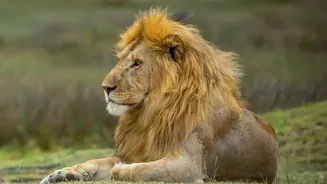
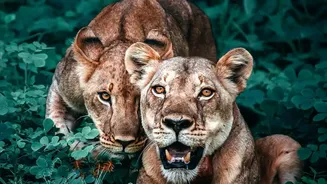
The Asiatic lion, a symbol of national pride, has made a triumphant comeback from the brink of extinction. Today, the Gir landscape in Gujarat is home to the world's only wild population. While the growing numbers, estimated at 674 in 2020, are a testament
to successful conservation, this concentration in a single area presents a significant threat. Wildlife experts have long warned that a single catastrophic event, such as a disease outbreak like the Canine Distemper Virus that has been fatal in the past, a massive forest fire, or a natural disaster, could wipe out a large portion of the population. This precarious situation makes the establishment of a geographically separate, second population not just a good idea, but an ecological necessity for the long-term survival of the species.
Why Barda is a Promising Candidate
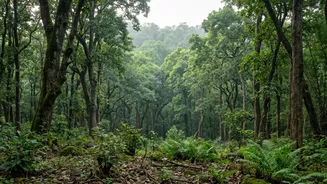
Located about 100 kilometres from Gir, the Barda Wildlife Sanctuary in Gujarat's Saurashtra region has emerged as the chosen site for this crucial second home. Spanning over 192 square kilometres across Porbandar and Devbhumi Dwarka districts, Barda was declared a sanctuary in 1979. Its terrain, with rugged hills, forests, and grasslands, shares similarities with the Gir landscape. Scientific studies have affirmed its suitability, noting it has the right ecological conditions to support a long-term lion population. The 'Lion@2047: A vision for Amrutkal' report, prepared by the Wildlife Institute of India, identified Barda as a potential home for a population of around 40 lions. This choice also represents a pragmatic solution, keeping the lions within Gujarat, a state that takes immense pride in its conservation of the species.
A Natural Return and a Planned Future
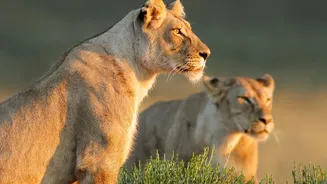
The potential of Barda was dramatically underscored in January 2023, when a male lion naturally dispersed from the Gir landscape and entered the sanctuary on its own, the first such sighting in nearly 144 years. This natural recolonisation prompted the Gujarat Forest Department to augment this process by introducing five female lions. As of October 2026, a small but growing population of 17 lions, including adults and cubs, has been established in Barda. This initiative is part of the broader 'Project Lion', a national conservation programme announced in 2020 to ensure the holistic conservation of the species. Researchers are closely monitoring the new inhabitants, using radio collars to track their movements, habitat use, and social behaviour to ensure a successful integration.
Paving the Way for the Kings
Making a sanctuary truly ready for its apex predator requires more than just good intentions. The Gujarat government is actively working to prepare Barda. A key focus is on increasing the prey base to ensure the lions have enough food. This has involved translocating hundreds of spotted deer (chital) and sambar from other areas into the sanctuary. Studies of the lions' diet already show a reliance on wild prey. Another crucial step is minimising human-animal conflict. In October 2026, the government announced a scheme offering financial packages to encourage the voluntary relocation of 'maldharis' (pastoralist communities) living within the sanctuary. This move aims to free up more space for wildlife, reduce biotic pressure, and allow the relocated families to access better mainstream facilities.
The Road Ahead: Challenges and Hopes
While the establishment of a second home in Barda is a landmark achievement, the journey is far from over. Ensuring the long-term success of this new population requires continuous effort. Mitigating human-lion conflict in the areas surrounding the sanctuary will be a primary challenge as the lion population grows and potentially disperses. Maintaining a robust and diverse prey population is also critical for the lions to thrive without turning to livestock. Furthermore, scientific management will need to continue to monitor the lions' health and genetic diversity. The hope is that Barda will not just be a satellite population, but a thriving, self-sustaining stronghold. It acts as a vital insurance policy, safeguarding the future of the Asiatic lion from the unforeseen and ensuring this magnificent species continues to roam free for generations to come.