



Prioritise Hydration
After consuming foods rich in salt and sugar, your body is likely dehydrated. Rehydrating is the first and most crucial step in your reset. Water is essential for helping your kidneys flush out waste, aiding digestion, and softening stool to prevent constipation.
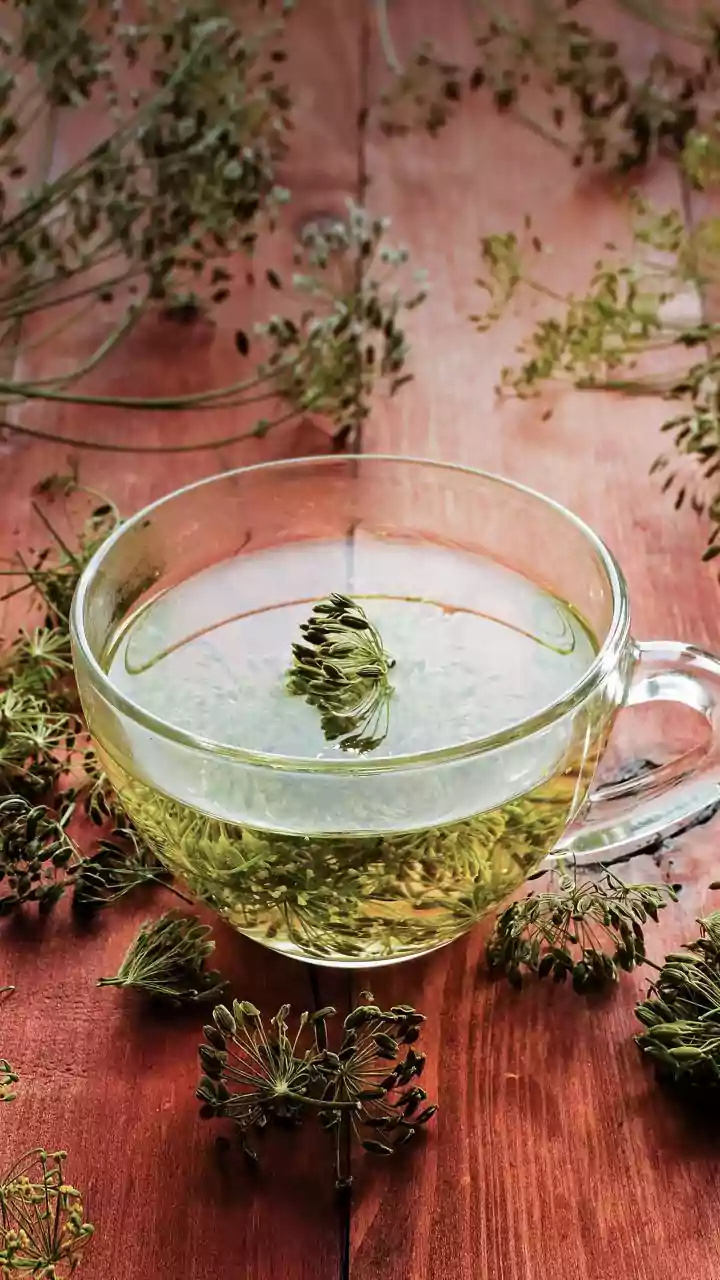
Start your day with a glass of warm water, which can help stimulate the digestive system. Throughout the day, continue to sip on water, herbal teas like ginger or mint, or coconut water. Try to avoid sugary drinks and excessive caffeine, as they can contribute to further dehydration. Keeping a water bottle handy serves as a great reminder to drink consistently. A simple way to check your hydration is by observing your urine colour; a light yellow hue indicates you are well-hydrated.
Embrace Fibre-Rich Foods
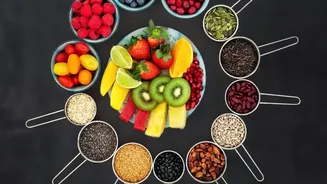
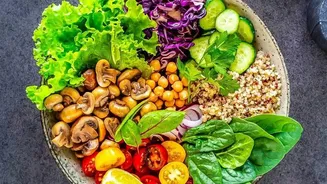
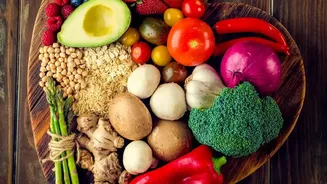
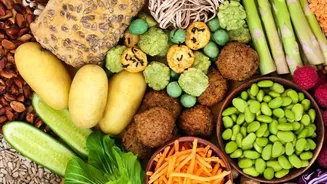
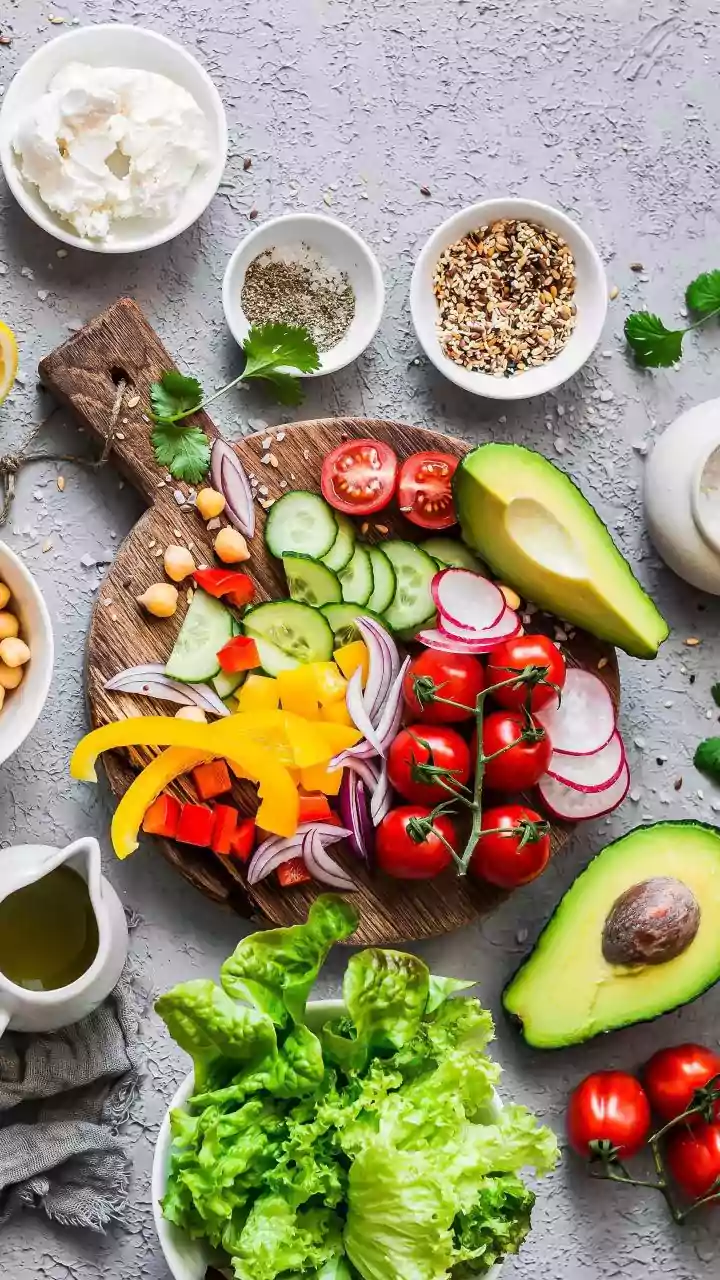
Festive foods are often low in fibre. Reintroducing high-fibre foods is key to getting your digestion back on track. Fibre helps regulate bowel movements and feeds the beneficial bacteria in your gut. However, it's important to increase your fibre intake gradually to avoid causing more gas and bloating. Focus on incorporating whole grains, fruits with edible skin like apples, and plenty of leafy green vegetables into your meals. Soluble fibre, found in foods like beans, blueberries, and chia seeds, helps lower glucose and cholesterol levels, while insoluble fibre, found in whole wheat products and nuts, helps move food through your digestive system. A balanced intake of both is ideal for a healthy gut.
Don't Skip Meals
It might seem tempting to fast or skip meals to 'compensate' for overeating, but this can often be counterproductive. Starving yourself can lead to low energy, intense cravings, and potential overeating later on. Instead, focus on returning to a regular schedule of balanced meals. This helps stabilise your blood sugar and metabolism. A balanced plate should include lean protein, non-starchy vegetables, and a source of healthy fat. Eating regular, nourishing meals sends a signal to your body that it doesn't need to be in 'panic mode', allowing it to return to its natural rhythm more smoothly.
Move Your Body Gently
You don't need an intense workout to feel better; gentle movement is highly effective. Activities like walking, stretching, or light yoga can significantly aid digestion. Movement helps stimulate the muscles in your digestive tract, which can relieve constipation and reduce bloating. Taking a short walk after a meal can also help lower blood sugar levels and prevent reflux by keeping you upright. Even simple yoga poses like the 'Child's Pose' or a 'Seated Twist' can massage the abdominal organs and promote better gut function. The goal is not to burn calories but to support your body's natural processes.
Focus on Gut-Friendly Probiotics
The rich, sugary, and fatty foods consumed during festivals can disrupt the delicate balance of your gut microbiome. Incorporating probiotic-rich foods can help restore the population of beneficial bacteria. Plain yogurt, kefir, and other fermented foods are excellent sources of probiotics. These 'good' bacteria play a vital role in digestion, nutrient absorption, and even immune function. Supporting your gut microbiome is a foundational step in recovering from dietary overindulgence and building long-term digestive resilience.
Prioritise Rest and Sleep
Late nights and altered schedules during festivals can disrupt your sleep, which has a direct impact on your digestive health and metabolism. Your body performs crucial repair and detoxification processes during sleep. Lack of adequate rest can lead to increased stress hormones and cravings for unhealthy foods. Aim to return to a regular sleep schedule as soon as possible. Getting 7-9 hours of quality sleep per night can help regulate your appetite hormones, reduce inflammation, and give your digestive system the rest it needs to function optimally.
Be Kind to Yourself
Perhaps the most important habit is to practice self-compassion. It's easy to feel guilty after a period of overindulgence, but a single festive period will not derail your long-term health. Avoid an all-or-nothing mindset. Instead of viewing food as 'good' or 'bad', focus on listening to your body's cues for hunger and fullness. This is a gentle reset, not a punishment. The goal is to feel good, not to follow a restrictive or stressful plan. Acknowledge the joy the festivities brought and gently guide yourself back to routines that make you feel energised and well.