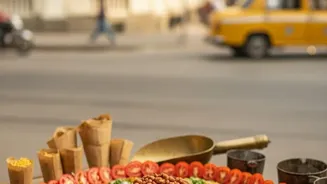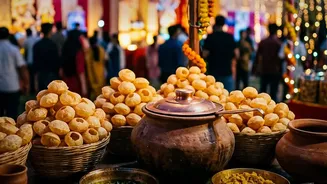

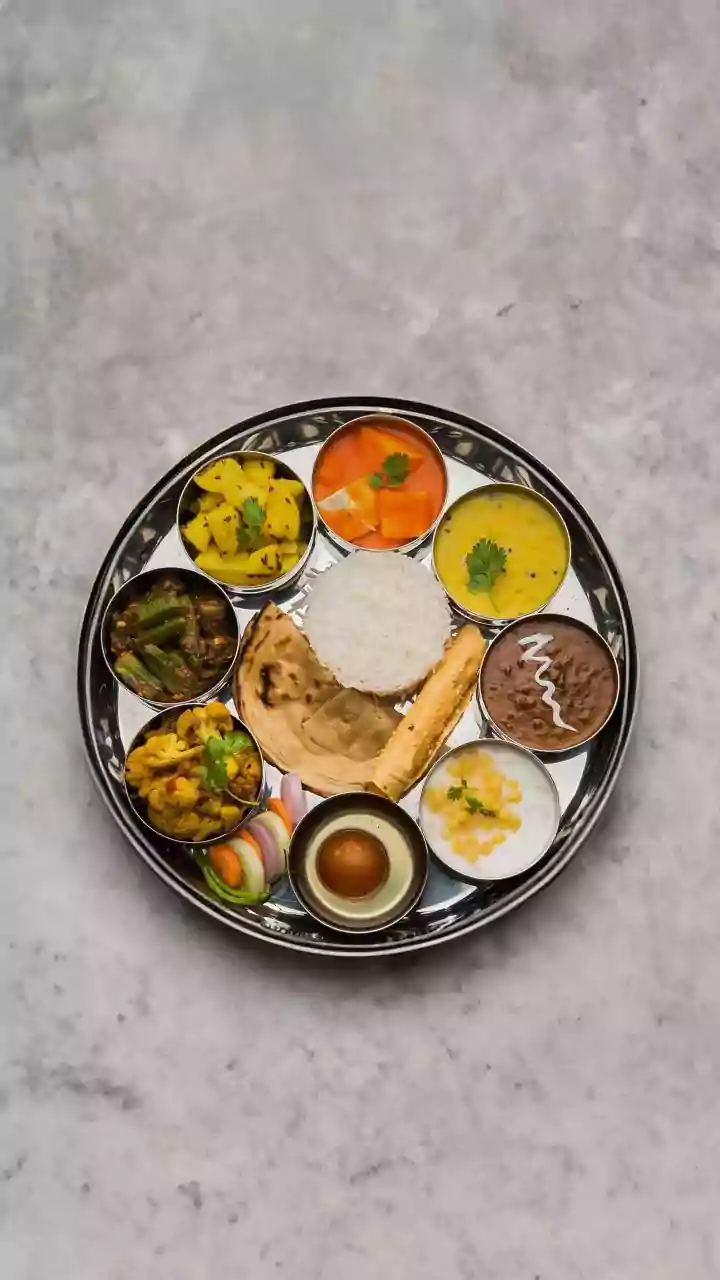

Beyond the usual restaurant fare, a delicious revolution is unfolding across India. At bustling food festivals, a new, younger crowd is gathering, drawn by the allure of authentic regional flavours that tell a story of the country's rich heritage.
A New Appetite for Authenticity
For
years, urban Indian dining was dominated by a handful of North Indian staples, a few South Indian dishes, and a growing wave of global fast food. Now, a significant shift is underway. Younger Indians, from millennials to Gen Z, are increasingly looking past generic curries and pizzas to explore the specific, nuanced cuisines of India's diverse states. This isn't just about trying new food; it's a quest for connection and identity. Events like the 'Foods of India' festival in New Delhi and regional showcases in cities like Pune and Bangalore are tapping into this desire, offering everything from the tribal cuisines of Jharkhand and Meghalaya to the complex flavours of Mangalorean food.
The Social Media Effect
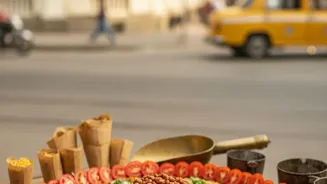
This culinary curiosity is being powerfully amplified by social media. Platforms like Instagram and YouTube have become the new discovery engines for food lovers. Visually rich, cinematic reels of street food vendors or beautifully plated regional dishes can make a hyper-local delicacy from Ladakh or Coorg go viral overnight. Food influencers and bloggers have become crucial cultural intermediaries, shaping trends and driving followers to seek out these authentic experiences offline. For a generation accustomed to visual storytelling, seeing the process and the story behind a dish makes it far more compelling than a simple menu description.
More Than Just a Meal
What makes these heritage food festivals so appealing is that they offer an experience that goes beyond the plate. They are vibrant cultural hubs where food is presented with context. Organizers are focusing on 'culinary storytelling', connecting dishes to geography, history, and community. Festivals often feature chef-led demonstrations, highlight indigenous ingredients, and are paired with cultural performances and local handicrafts. This transforms a meal into an immersive event, where attendees can learn about fermentation traditions, discover the story behind a rare delicacy, or understand the cooking techniques of a specific tribe. It’s a chance to connect with the roots of the food in a tangible way.
Rediscovering India's 'Superfoods'
This trend is also tied to a broader wellness movement among young Indians who are rediscovering the nutritional powerhouse of local ingredients. After a period of fascination with imported 'superfoods' like quinoa and chia seeds, there's a growing recognition that ingredients like amla, moringa, sattu, and makhana are exceptionally nutritious. This generation, armed with nutritional information from the internet, appreciates that traditional Indian foods are not just nostalgic but are also backed by science. Heritage festivals provide a perfect platform to showcase these ingredients, moving them from grandmother's pantry back into the mainstream culinary conversation.
The Future is Regional
The success of these festivals signals a permanent shift in India's food landscape. It’s no longer just about 'Indian food' as a monolithic category. The focus is now on the distinct culinary identities of its regions. Chefs are gaining recognition for championing their local cuisines, and a new ecosystem is emerging for home cooks and small entrepreneurs. This movement is not about rejecting global flavours but about celebrating local ones with newfound pride. As more young people seek out these authentic, story-rich experiences, the demand for regional Indian cuisine is set to grow, ensuring that the country's lesser-known culinary treasures get the spotlight they deserve.