
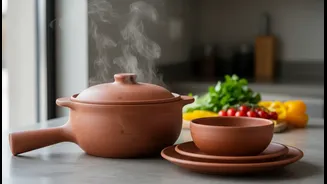
An Earthenware Renaissance
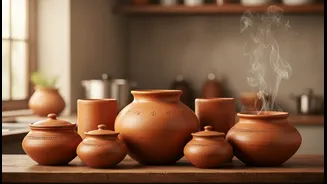
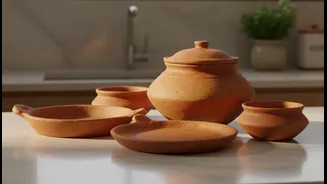
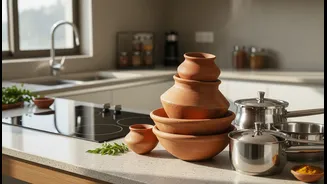
Once a staple in every Indian kitchen, clay pots were largely replaced by the convenience of metal and modern cookware. For decades, they were seen as relics, more suited to rustic restaurant decor or the occasional village-themed dish. However, a significant
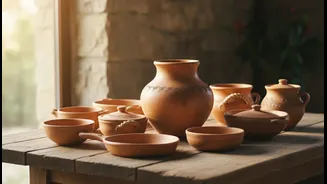
shift is underway. Across India, there is a growing trend of people consciously returning to these traditional vessels. This revival isn't just about nostalgia; it’s a deliberate choice fuelled by a rising awareness around health, sustainability, and the desire for authentic culinary experiences. From urban home cooks sharing their 'handi' creations on social media to chefs reintroducing slow-cooked earthenware dishes, the clay pot is once again finding its place. This comeback signals a deeper interest in heritage cooking—the art of preparing food using traditional methods and recipes passed down through generations.
The Science of Superior Flavour
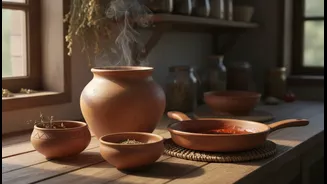
Anyone who has tasted dal or biryani from a clay pot will attest to its unique, earthy flavour. This isn't just imagination; it's science. Clay is porous, allowing heat and moisture to circulate evenly throughout the pot. This results in a slow, uniform cooking process that is gentle on the ingredients. Unlike metal pans that can develop hot spots and burn food, a clay pot cooks gently, locking in the natural juices and aromas of the food. The result is dishes that are more tender, juicy, and flavourful. The porous nature also means less oil is required for cooking, as the pot's ability to retain moisture prevents food from sticking and drying out. This slow-cooking magic allows spices to meld together more deeply, creating a richness of flavour that’s hard to replicate with modern cookware.
A Healthier Way to Cook
Beyond taste, the health benefits are a primary driver of this trend. One of the main concerns with modern non-stick cookware is the potential for harmful chemicals like PFOA and PTFE to leach into food at high temperatures. Clay pots, being 100% natural and free of any chemical coatings, offer a non-toxic cooking alternative. Furthermore, clay is naturally alkaline. This property helps to neutralize the acidity of many food ingredients, balancing the pH of the meal. This can make the food easier to digest and is believed to reduce issues like acid reflux. The slow cooking process at lower temperatures also helps in preserving the delicate vitamins and minerals in the food, which can be destroyed by high-heat cooking in metal vessels.
Connecting with Cultural Roots
Heritage cooking is about more than just recipes; it’s a connection to the past, to family, and to a simpler way of life. Using a clay pot is an act of mindfulness. It forces a slower pace, a stark contrast to the rush of modern life. For many, it evokes memories of mothers and grandmothers cooking with time-tested techniques. This revival is a way of honouring that wisdom and preserving cultural traditions that were at risk of being forgotten. In a globalised world, embracing heritage practices like earthenware cooking helps individuals reconnect with their identity and pass on a tangible piece of their culture to the next generation. It is a conscious choice to embrace a lifestyle that values simplicity, health, and tradition over speed and convenience.
Sustainable and Earth-Friendly
In an era of growing environmental consciousness, the sustainable nature of clay pots is another significant advantage. Made from natural earth, they are completely biodegradable and do not contribute to the landfill waste generated by discarded plastic or synthetic-coated metal pans. When cared for properly, clay cookware can be quite durable, reducing the need for frequent replacements. By choosing earthenware, consumers are not only making a healthier choice for their families but also a kinder choice for the planet. This aligns with a broader movement towards sustainable living, where every small choice, including the pots we cook in, contributes to a healthier environment.