






The Monsoon Travel Dilemma
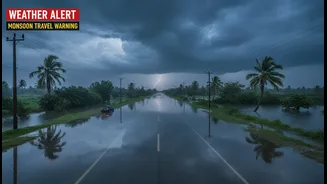
July is peak monsoon season across large parts of India. While this means breathtaking green landscapes and roaring waterfalls, it also means the potential for travel chaos. Heavy rains can lead to waterlogging in cities, landslides in hilly regions,
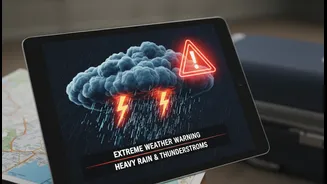
and flight or train delays everywhere. Just this week, heavy rainfall has caused waterlogging and traffic disruption in Delhi and Mumbai, while parts of Kerala and West Bengal are also on alert. A well-planned trip can quickly turn into a logistical nightmare if you aren't prepared for the weather. This doesn't mean you should cancel your plans, but it does mean you need to be smarter about them. The most powerful tool at your disposal is the daily forecast from the India Meteorological Department (IMD).
Decoding the IMD's Colour-Coded Alerts
The IMD uses a simple colour-coded system to issue weather warnings, making it easy for anyone to understand the severity of the forecast. Knowing what these colours mean is the first step to making informed travel decisions. Green (No Warning): This means 'All is Well.' Weather conditions are normal, and no advisory is issued. Proceed with your plans without any weather-related worries. Yellow (Be Aware): This is a 'Watch' signal. A yellow alert indicates that weather conditions could affect daily activities, but the risk is relatively low. You might encounter moderate rain, which could cause minor travel delays or waterlogging in low-lying areas. It's a heads-up to stay updated and be cautious. Orange (Be Prepared): This alert means you need to 'Be Prepared.' Heavy to very heavy rainfall is expected, which could disrupt transport, communication, and power supply. There is a heightened risk of flooding, and if you are in a hilly area, the potential for landslides increases. An orange alert is a strong signal to avoid unnecessary travel and secure your plans. Red (Take Action): This is the highest level of warning. A red alert indicates that extremely dangerous weather conditions are expected, posing a significant threat to life and property. Widespread, extremely heavy rainfall can lead to major flooding and disruption of essential services. During a red alert, you should prioritise safety above all else and follow instructions from local authorities, which may include avoiding all travel.
Where to Find Reliable Forecasts
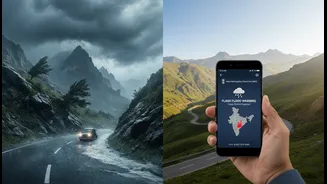
Gone are the days of relying on anecdotal weather wisdom. The IMD provides real-time, district-wise updates through several official channels. The most accessible tool is the 'Mausam' mobile app, available for both Android and iOS. The app provides current weather information, forecasts for the next seven days, and issues colour-coded alerts for districts. You can even customise it to send you notifications for your chosen locations. For more detailed information, the IMD's official website (mausam.imd.gov.in) offers nowcasts (three-hourly warnings), satellite imagery, and district-wise warning maps. Following the IMD's official social media handles can also provide you with the latest updates on the go.
Applying Weather Alerts to Your Plans
A weather alert's impact varies greatly depending on your destination. A yellow alert for moderate rain in a city like Delhi might mean traffic snarls and waterlogging. The same alert for a trekking route in Himachal Pradesh or Uttarakhand could mean slippery paths and the risk of falling debris. An orange alert for Mumbai often signifies disruptions to local train services and possible flooding. In a coastal area like Goa, it could mean rough seas, making beach activities unsafe. Before you travel, research the specific risks associated with your destination during the monsoon. If you see an orange or red alert for your travel dates, seriously consider altering your plans. Build flexibility into your itinerary. Opt for refundable bookings for flights and hotels, and always have a Plan B.
Your Monsoon Travel Safety Checklist
Smart planning goes beyond just tracking the weather. Here are a few essential tips for a safer monsoon trip: - Pack Right: Opt for quick-drying synthetic clothes instead of cotton or denim. Carry a reliable raincoat and an umbrella. Waterproof footwear with a good grip is non-negotiable to prevent slips. - Protect Your Gear: Use waterproof bags or covers for your luggage, electronics, and important documents like your passport and ID. - Health and Hygiene: Avoid eating street food that may be exposed to contaminated water. Drink only bottled or purified water to prevent water-borne diseases. Carry a basic first-aid kit and insect repellent. - Travel Smart: If driving, go slow on wet roads and maintain a safe distance. Check for road closure advisories, especially in hilly and coastal areas. Keep your mobile phone and a power bank fully charged.