




Machu Picchu: The New Ticket Scramble
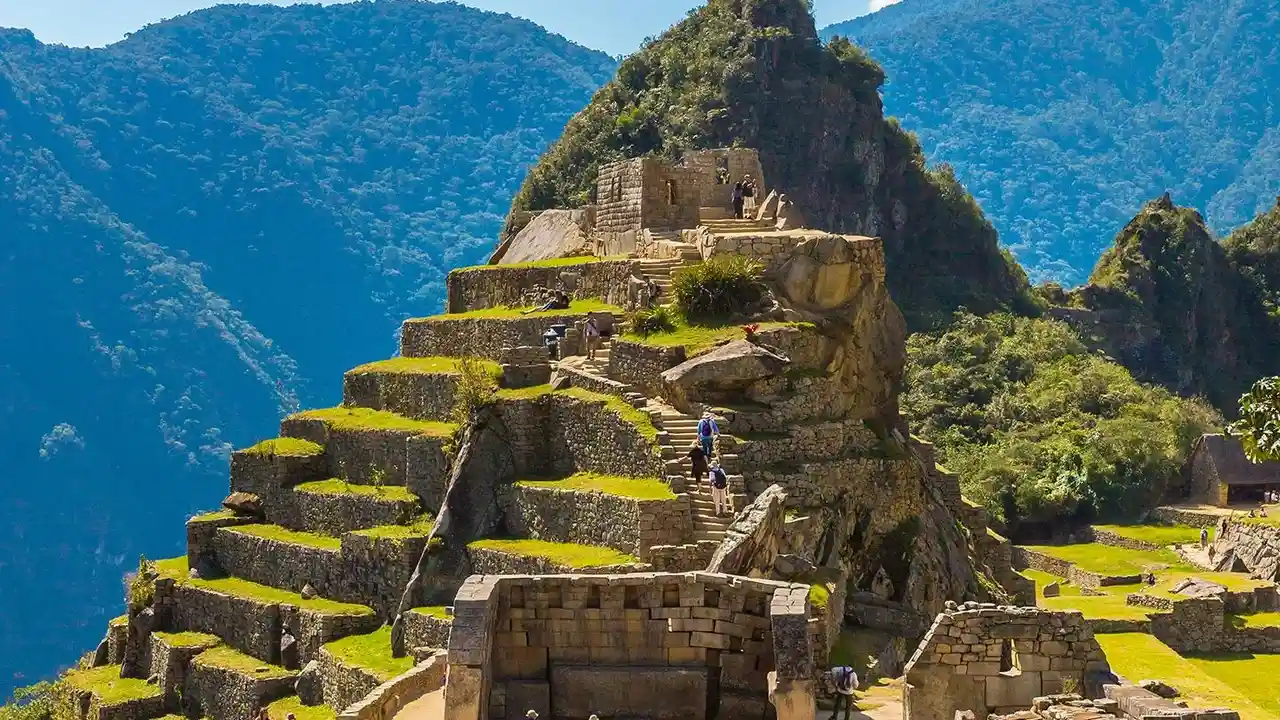
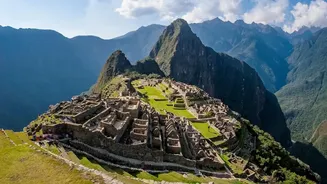
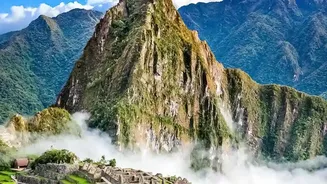
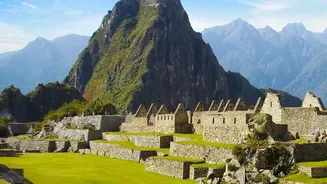
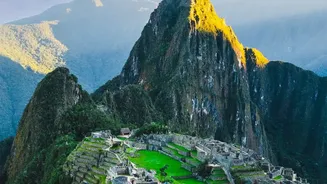
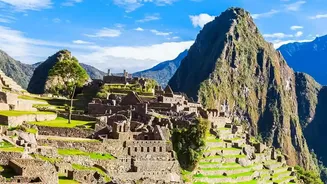
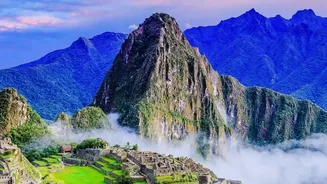
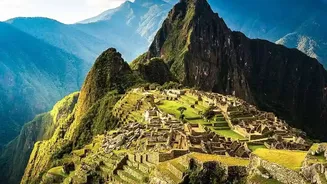
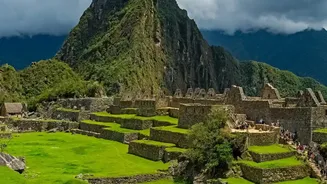
The crown jewel of the Andes, Machu Picchu's popularity is also its biggest challenge. Visitor numbers are strictly controlled, with daily capacity at 5,600 during high season. As of late 2026, the ticketing system has changed dramatically. A previous
system that allowed a three-hour reservation hold has been scrapped in response to ticket hoarding by bots. Now, travellers have just a 15-minute window to complete their purchase online once a ticket is selected. This means you must have your passport details and payment information ready to go the moment you book. Spontaneity is no longer an option; it's recommended to secure tickets at least 60 days, and ideally six months, in advance. Once there, the experience is managed through rigid, one-way circuits with a visit duration of about 2.5 hours, so you can't wander freely. To beat the worst of the crowds, consider staying overnight in nearby Aguas Calientes and entering the site either first thing in the morning or later in the afternoon, after the day-trippers from Cusco have begun to leave.
Rainbow Mountain: An Instagram Star's Reality
Vinicunca, the original Rainbow Mountain, became an internet sensation after melting glaciers revealed its colourful mineral stripes around 2015. Today, its fame means hundreds of visitors daily, creating a near-constant queue for the perfect photo at its 5,200-metre summit. The reality of the trek is a pre-dawn departure from Cusco (around 3 a.m.) to beat the convoys of tour buses that clog the trail between 9 a.m. and 1 p.m. The high altitude is a serious factor, and the colours can appear muted on an overcast day, a far cry from the saturated images online. For a more serene experience, consider the alternatives. Palccoyo, another rainbow mountain, is a shorter, less strenuous hike with similar vibrant hills and a fraction of the tourists. Another option is to add a 45-minute walk from Vinicunca's main viewpoint to the spectacular and often-empty Red Valley.
Huacachina: The Shrinking Oasis
Known as the 'Oasis of America', Huacachina is a picturesque lagoon surrounded by towering sand dunes. It has become a magnet for backpackers and adventure seekers drawn by dune buggy rides and sandboarding. However, this popularity has come at a cost. The oasis is under severe environmental pressure; the natural aquifer that feeds it is shrinking due to water extraction for local agriculture and urban use. Since 2015, water has been pumped into the lagoon to maintain its level, meaning it survives on maintenance, not nature. Beyond the environmental concerns, the experience itself can feel formulaic. The small town is almost entirely tourism-driven, which can lead to aggressive tour selling and a party-centric atmosphere that may not appeal to everyone. To have a better time, manage your expectations. Stay overnight to experience the dunes at sunset when the light is best and the crowds are thinner. Choose reputable tour operators, as the quality and safety of dune buggy rides can vary widely.
The Sacred Valley: Strategic Stays
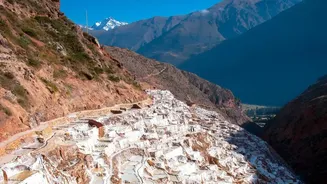
The Sacred Valley, the ancient corridor connecting Cusco to Machu Picchu, is filled with stunning Inca ruins, markets, and towns like Ollantaytambo and Pisac. While not 'overrated' in its beauty, it can feel congested if you follow the typical day-trip circuit from Cusco. Large tour buses tend to descend on the same key sites at the same times. A simple strategy to avoid this is to base yourself in the valley itself. Staying overnight in a town like Ollantaytambo or Urubamba not only helps with altitude acclimatization (as they are at a lower elevation than Cusco) but also allows you to visit the ruins early in the morning or late in the afternoon, outside of the peak day-tour hours. This gives you a more peaceful and authentic experience of these incredible historical sites, letting you explore the quiet cobblestone streets after the buses have departed for the day.