





Beyond Superfoods, A Philosophy of Food
We often hear about 'Indian superfoods'—turmeric lattes, moringa powders, and ashwagandha supplements. While these ingredients are indeed powerful, the true strength of traditional Indian eating lies not in isolated elements, but in a holistic philosophy.
It's a system built on balance, seasonality, and local sourcing. For generations, this approach has nourished millions without ever needing a fancy label. It understands that health is not about what you restrict, but about what you embrace in its rightful time and place. Before we chase the next global trend, it’s worth looking at the profound, common-sense principles that have always been part of our culinary heritage.
The Rhythm of Eating with Seasons
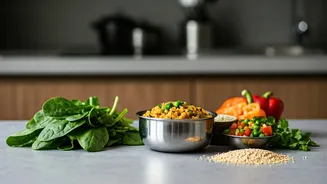
One of the most intuitive yet forgotten pillars of traditional diets is eating seasonally. Think of juicy mangoes in the scorching summer, warming root vegetables during monsoons, and leafy greens like sarson ka saag in the winter chill. This wasn't just about availability; it was about synergy with nature. Seasonal produce is at its nutritional peak, offering the specific vitamins and minerals our bodies need to cope with the climate. A summer fruit like watermelon provides hydration, while winter greens offer the immunity-boosting Vitamin C needed to fend off colds. Following this natural rhythm ensures food is fresher, tastes better, and is more ecologically sustainable.
The Balance of the Six Tastes
Have you ever wondered why a traditional Indian thali feels so satisfying? The secret often lies in the Ayurvedic concept of 'Shad Rasa', or the six tastes: sweet, sour, salty, bitter, pungent, and astringent. A well-balanced meal aims to include all six, ensuring both nutritional completeness and deep satiety. The sweetness of rice or roti, the sourness of dal or kadhi, the saltiness of a sabzi, the bitterness of methi (fenugreek), the pungency of ginger or chilli, and the astringent quality of a lentil or a side of buttermilk work in harmony. This balance prevents cravings and overeating, guiding the body towards a state of equilibrium far more effectively than any calorie-counting app.
Rediscovering Good Fats and Ancient Grains
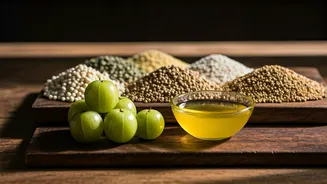
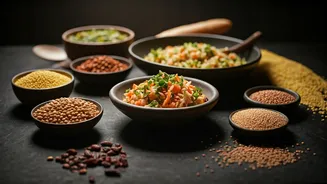
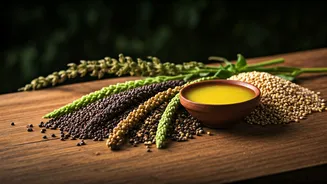
Modern diet culture has often villainised fats and carbohydrates, but traditional Indian kitchens tell a different story. Ghee, or clarified butter, far from being an artery-clogging villain, was revered as a source of healthy fat-soluble vitamins and a digestive aid. Similarly, our reliance on refined wheat and polished rice is a relatively recent phenomenon. For centuries, our ancestors thrived on a diverse range of millets like jowar (sorghum), bajra (pearl millet), and ragi (finger millet). These ancient grains are gluten-free, high in fibre, and packed with micronutrients. Their comeback is not a trend but a return to a more robust and nutritionally diverse way of eating.
Your Gut's Best Friends: Spices and Ferments
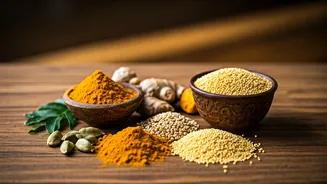
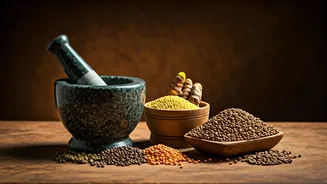
Indian spices are more than just flavour enhancers; they are a veritable pharmacy. Turmeric contains curcumin, a powerful anti-inflammatory. Ginger aids digestion, and cumin helps in nutrient absorption. The humble tadka, or tempering of spices in hot oil or ghee, is a genius technique to make these compounds more bioavailable. Equally important is the tradition of fermentation. A simple bowl of homemade dahi (yoghurt) is a rich source of probiotics essential for gut health. Traditional pickles, when made correctly, also serve this purpose, helping maintain a healthy gut microbiome, which modern science now links to everything from immunity to mental well-being.