




Why Your Travel Budget Is Stretched
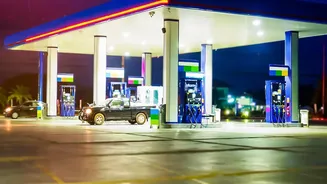
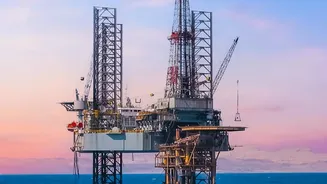
The high prices you see at the fuel pump are a direct result of global factors, including volatile international crude oil prices. Since India imports the majority of its crude oil, these global shifts quickly translate into higher domestic costs for
petrol and diesel. This doesn't just affect car owners. Airlines face rising Aviation Turbine Fuel (ATF) costs, which are passed on to passengers through fuel surcharges on flight tickets, making air travel more expensive. Similarly, the cost of running buses and trains also increases, putting pressure on the entire travel ecosystem and household budgets.
Master Your Road Trip
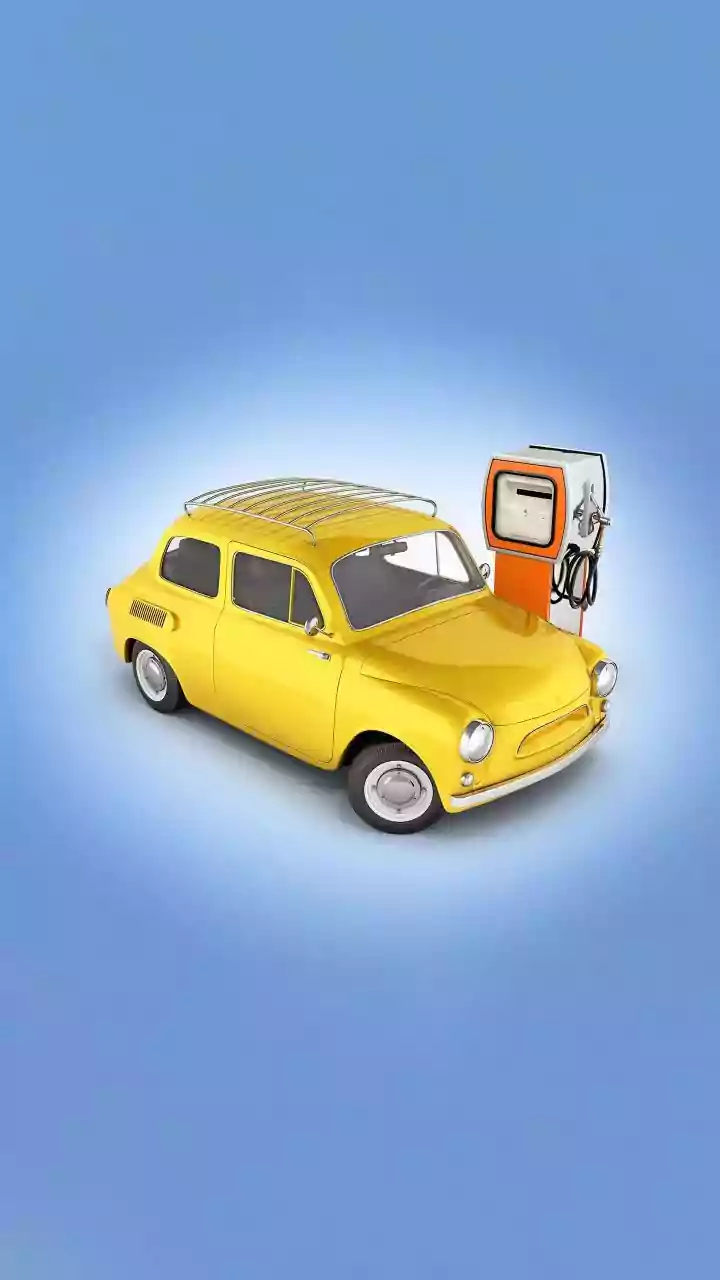
For those who love the freedom of the open road, a few adjustments can lead to significant savings. Start with your vehicle. Ensure your tyres are properly inflated, as underinflation increases drag and burns more fuel. Removing unnecessary weight from your car—that extra luggage you aren't using—also improves mileage. Your driving habits matter, too. Maintaining a steady, optimal speed of around 45-50 km/h can improve fuel efficiency by as much as 10%. Simple acts like turning off your engine at traffic signals longer than a minute and avoiding aggressive acceleration can make a noticeable difference.
Fly Smarter, Not Harder
With airlines passing on higher fuel costs to consumers, booking flights requires a strategic approach. Experts suggest booking domestic flights three to six weeks in advance to secure better prices. Being flexible with your travel dates and avoiding peak weekend travel can also unlock significant savings. Airfares are dynamic, changing based on demand, so waiting until the last minute is rarely a good idea. Some airlines have even had to adjust their international schedules due to rising operational expenses, making early booking even more critical for overseas trips.
Embrace Public Transport
One of the most effective ways to counter high fuel costs is to rethink your ride. For long-distance journeys across the country, the Indian Railways network remains one of the most affordable and economical travel options available. For travel within cities, using the metro network where available can save you both money and the stress of navigating traffic, which itself wastes a lot of fuel. For shorter inter-city trips, consider modern buses, which are often more fuel-efficient and cost-effective than driving a personal car.
Choose Your Destination Wisely
Sometimes, the biggest saving comes from the destination you choose. There is a growing trend of travellers opting for destinations closer to home, within a 200-300 km radius, to cut down on fuel consumption. Exploring nearby hill stations or planning a weekend staycation can satisfy your travel bug without the hefty fuel bill of a cross-country drive. Carpooling has also made a comeback; travelling in a group and splitting costs for fuel and tolls can cut per-person expenses significantly.
Consider the Electric Alternative
While it's a long-term strategy, the viability of electric vehicles (EVs) for travel is rapidly increasing. India's EV charging infrastructure has expanded significantly, with over 52,000 public charging stations available as of mid-2026. Government initiatives are pushing for a charger every 25 kilometres on major highways, aiming to reduce the 'range anxiety' that once made long-distance EV trips daunting. For those considering a new vehicle, the lower running costs of an EV offer a powerful long-term shield against unpredictable fuel price hikes.