






Carve Out a Dedicated Zone
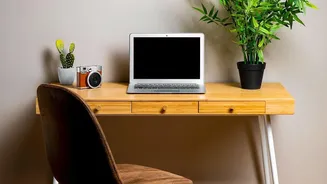
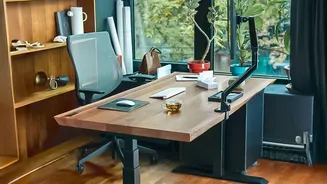
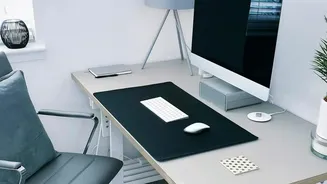
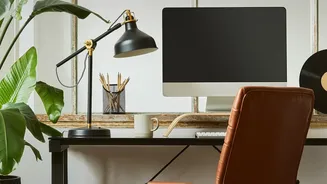
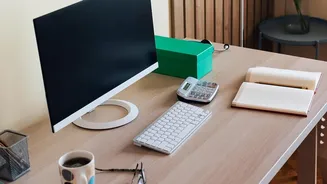
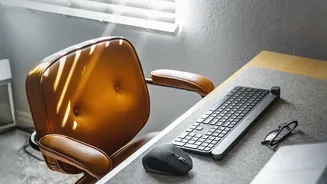
The most crucial step is to physically separate your work area. This doesn't mean you need a separate room. Even a small corner dedicated solely to work can create a powerful psychological boundary. Position a desk and an ergonomic chair in a spot that,
if possible, is not directly in your line of sight from your bed or relaxation area. If space is tight, consider a fold-away desk or a secretary-style cabinet that can be closed at the end of the day, effectively hiding your work from view and signaling that the office is 'closed'. Using a rug to define the area or placing a bookshelf as a natural divider can also be highly effective.
Create 'Commute' Rituals
Without a physical journey to an office, you lose a key transition period that helps your brain switch between work and home mode. Recreate this with opening and closing rituals. Your 'morning commute' could be a five-minute walk around the block before sitting at your desk, making a specific cup of tea you only drink for work, or listening to a particular podcast. At the end of the day, create a shutdown sequence. This could involve tidying your desk, writing your to-do list for the next day, and then decisively shutting your laptop. This routine signals that your professional responsibilities are over for the day.
Leverage Your Senses
Use sensory cues to tell your brain which 'mode' it should be in. Lighting is a powerful tool. Use a bright, cool-toned task light at your desk during work hours, and then switch to warmer, softer ambient lighting in the evening to promote relaxation. Scent can also be effective; try a citrus or peppermint essential oil diffuser while you work to boost focus, and a calming lavender or chamomile scent when you unwind. Even sound can delineate your time—listen to focus-enhancing playlists during the day and switch to music or silence in your off-hours.
Implement a Wardrobe Change
The temptation to work in pyjamas is strong, but it can confuse the boundary between rest and productivity. Changing your clothes is a simple yet effective psychological signal. You don't need to wear a full suit, but shifting from sleepwear into 'work' attire—even if it's just a clean shirt and comfortable pants—teaches your brain it's time to be productive. At the end of the day, changing back into casual or lounge clothes reinforces the transition to personal time, making it easier to mentally clock out.
Manage Your Digital Space
Digital clutter can be just as disruptive as physical clutter. If you use the same computer for work and personal life, create separate user profiles. Use one for work with all your professional apps and bookmarks, and another for personal browsing, hobbies, and social media. Most importantly, set firm boundaries with notifications. Turn off all work-related pings from email and messaging apps outside of your established work hours. This prevents your attention from being pulled back into work mode when you're trying to relax, eat dinner, or spend time on personal activities.