
From Checklists to Connections
An anti-itinerary trip isn't about having no plan at all; it's about shifting the focus from a rigid checklist to a flexible framework. Instead of a minute-by-minute schedule, a traveller might only book their flights and the first night's accommodation,
leaving the rest of the days open to chance. This approach, also known as 'slow travel', encourages spontaneous discovery. The goal is no longer to see as much as possible, but to experience a single place more deeply. It’s the difference between sprinting through a museum to see every exhibit and spending an entire afternoon captivated by a single painting. This mindset allows for unexpected detours, whether it’s discovering a hidden cafe, following a local’s recommendation to a secluded beach, or simply deciding to spend another day in a town you’ve fallen in love with.
A Reaction to Burnout Culture
The rise of the anti-itinerary holiday isn't happening in a vacuum. It is a direct response to our increasingly structured, high-pressure daily lives. For many, particularly millennials and Gen Z, workplace burnout is a significant issue, with one 2024 survey finding 70% of Indian Gen Z reported feeling persistently exhausted. A conventional, jam-packed vacation can often feel like an extension of this pressure, transforming leisure into another form of work and leaving travellers returning home more tired than when they left. The anti-itinerary movement pushes back against this, prioritising genuine rest and mental well-being over the need to perform and produce a 'perfect' holiday for social media. It’s about reclaiming travel as a form of self-care and restoration.
The Joy of Serendipity
Psychologically, letting go of a rigid plan can be liberating. It allows travellers to be more present and mindful, engaging with their surroundings without the constant pressure of a schedule. This openness to spontaneity often leads to the most memorable moments: the unplanned conversations with locals, the discovery of a family-run restaurant not listed in any guidebook, or the simple joy of watching the world go by without a deadline. Experts suggest these kinds of experiences, which are often mentally stimulating and unexpected, contribute to our 'psychological richness' and overall happiness. Embracing uncertainty builds confidence and flexibility, skills that are just as valuable back home. In essence, the journey itself becomes the destination.
A Growing Movement in India
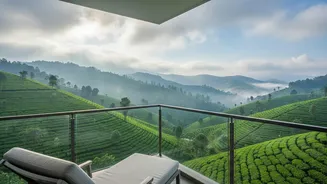
This trend is gaining significant traction among Indian travellers, who are increasingly choosing depth over distance. There is a conscious shift away from crowded mainstream destinations towards offbeat locations in states like Uttarakhand, Himachal Pradesh, and the Northeast. The popularity of homestays and farm stays in places like Coorg and Sikkim is a testament to this desire for authentic, immersive experiences. Rather than rushing through seven cities in seven days, travellers are choosing to spend a week in a single village, contributing more meaningfully to the local economy and forging genuine connections. This shift is also fuelled by a renewed pride in domestic exploration, with improved connectivity making it easier than ever to discover the incredible diversity within India's own borders.