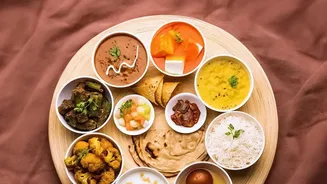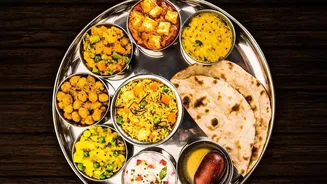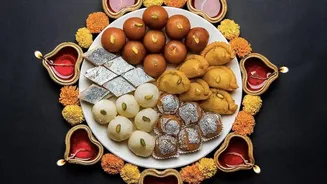





Plan Your Feast, Then Your List
The single most effective way to control costs is to plan meticulously before you ever step into a store. Start by drafting a menu. Balance one or two elaborate, show-stopping dishes with simpler, but equally delicious, accompaniments. For example, if
you are making a rich biryani, you can pair it with a simple raita and salad instead of three other complex curries. Next, get a realistic headcount. While formal RSVPs are uncommon, a quick call to expected guests can give you a good idea of numbers, preventing massive over-cooking. Once your menu and guest list are set, survey your own kitchen. Check your pantry, fridge, and freezer for ingredients you already have. Create a detailed shopping list based only on what’s missing and commit to sticking to it. This simple discipline is your best defence against impulse buys that inflate your bill.
Master the Art of Strategic Shopping
Timing is everything when it comes to festival grocery shopping. Prices for staples like ghee, sugar, dry fruits, and atta can climb by as much as 15% in the week leading up to a major festival like Diwali or Eid. To outsmart this surge, split your shopping into two trips. About two weeks before the festivities, buy all your non-perishable items. This includes rice, lentils, flour, spices, cooking oils, and canned goods. These items have a long shelf life, and buying them early protects you from last-minute price gouging and stock shortages. Your second trip should happen only a day or two before the main event. This is when you’ll buy fresh produce like vegetables, paneer, milk, and flowers. Buying perishables too early is a common cause of waste and financial loss.
Embrace Seasonal Stars and Smart Swaps
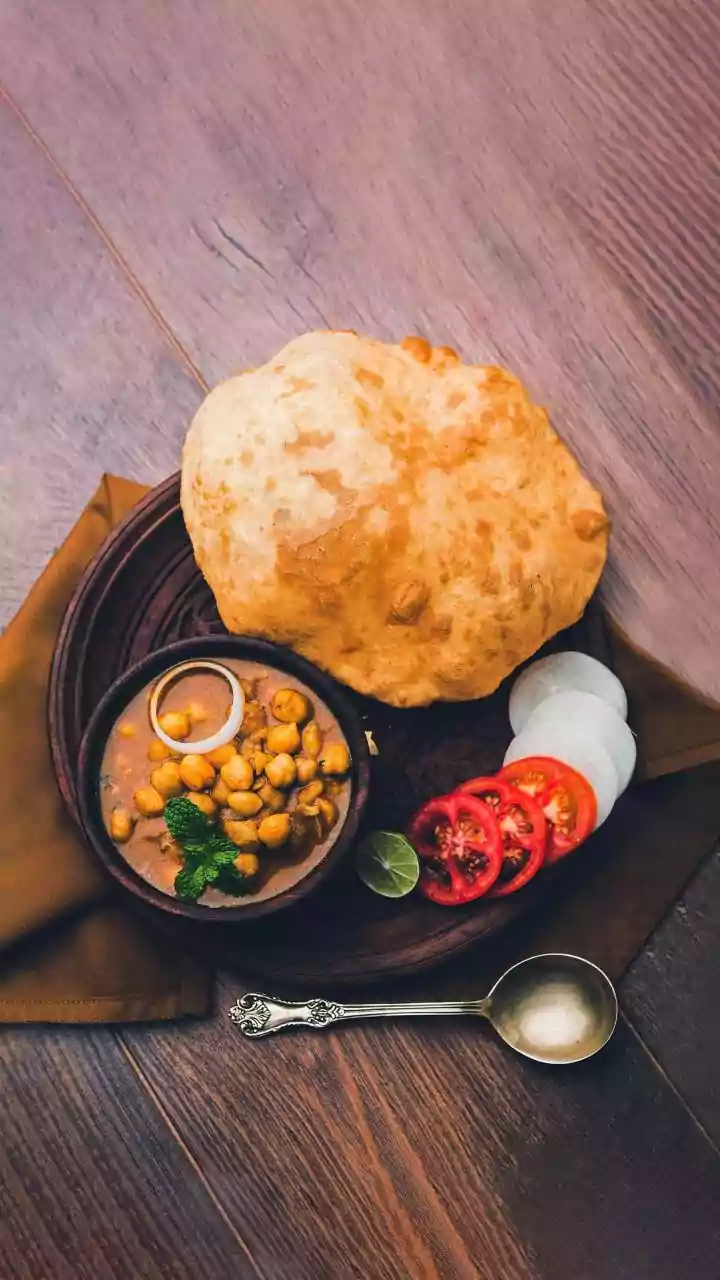
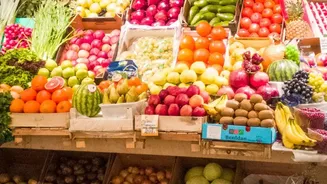
A flexible menu built around seasonal produce is a guaranteed money-saver. Vegetables and fruits that are in season are not only fresher and more flavourful, but also significantly cheaper because they are abundant. Instead of planning a dish with out-of-season broccoli in summer, opt for gourds or beans that are readily available. Another smart tactic is to buy whole spices instead of pre-ground powders. Whole spices like cinnamon sticks, cumin seeds, and cardamom pods retain their aroma and flavour for much longer, offering better value over time. You can grind small batches as needed. Also, think about protein sources. While meat and paneer are festive staples, incorporating delicious and protein-rich lentil or chickpea dishes like dal makhani or chana masala can help balance the overall cost of the menu without sacrificing substance.
Cook with a Zero-Waste Mindset
Reducing food waste is not just good for your wallet; it’s a practice deeply rooted in Indian culture. The philosophy of 'Annam Brahmam,' which means 'food is divine,' teaches us to respect our ingredients and avoid waste. Instead of throwing away leftovers, get creative. Day-old rotis can be turned into a spicy masala chapati snack, and leftover rice can be transformed into flavourful fried rice or the cooling, probiotic-rich pazhaya saadham. Practice root-to-stem cooking by using parts of vegetables that are often discarded. For example, broccoli stems can be thinly sliced and roasted, and potato peels can be baked into crispy chips. Serving food in smaller portions initially and encouraging guests to take second helpings can also drastically cut down on the amount of food left on plates and later discarded.
Share the Joy and the Cooking
Hosting a festival meal doesn't have to be a solo performance. Embracing a potluck-style celebration is a modern and increasingly popular way to share both the cost and the effort. As the host, you can prepare the main course and ask guests to contribute a side dish, an appetizer, or a dessert. This not only eases your financial burden but also creates a wonderful, diverse feast where everyone has a hand in the celebration. It fosters a sense of community and allows everyone to showcase their specialities. This collaborative approach turns the focus away from the performance of a single host and towards the shared joy of cooking and eating together, which is the true spirit of any festival.