




Kerala’s Puttu and Kadala Curry
Down south in Kerala, the breakfast of champions is Puttu, a steamed cylinder of rice flour layered with grated coconut. Traditionally cooked in a special 'puttu kutti' vessel, it's light, fluffy, and a fantastic vehicle for flavour. Paired with Kadala
Curry, a rich and spicy stew of black chickpeas, it’s a perfectly balanced meal of carbohydrates and protein. This dish is gaining popularity among health-conscious youth because it is steamed, not fried, making it a nutritious yet deeply satisfying start to the day. Its unique cylindrical shape and the simple, wholesome ingredients also give it a rustic charm that resonates with a desire for authenticity.
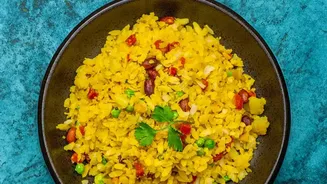
Madhya Pradesh’s Poha-Jalebi
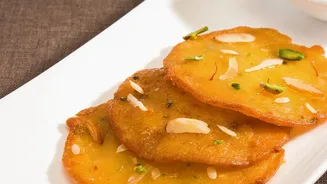
In the heart of India, particularly in cities like Indore, breakfast is a delightful study in contrasts. Here, the staple is Poha—flattened rice steamed with gentle spices, turmeric, and often topped with crunchy sev, fresh coriander, and a squeeze of lime. While Poha is beloved across Western and Central India, the Indore version takes it a step further by pairing this savoury, tangy dish with hot, crispy, syrup-drenched Jalebi. This sweet and savoury combination might sound unusual, but for young food explorers, it represents a unique flavour experience that is both comforting and exciting. It’s a breakfast that speaks to a culinary culture built on layered tastes and textures.
Bengal’s Luchi and Alur Dom
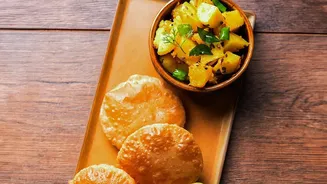
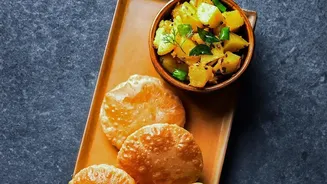
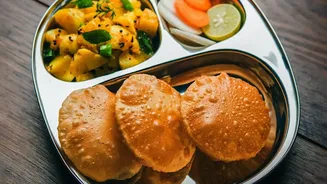
A weekend morning in a Bengali household is often marked by the treat of Luchi and Alur Dom. Luchis are deep-fried, puffy breads made from all-purpose flour (maida), which makes them pristine white and incredibly soft, distinct from the whole-wheat puri. They are served alongside Alur Dom, a slow-cooked, spicy potato curry that is both rich and flavourful. For a generation often accustomed to quick meals, this combination represents a return to celebratory, slow-cooked food that feels special. It’s a taste of nostalgia and festivity, and its popularity in cafes and restaurants is a nod to the growing appreciation for indulgent, traditional meals that tell a story.
Himachal's Siddu
From the mountains of Himachal Pradesh comes Siddu, a hearty, steamed bread that’s perfect for the cold climate but is finding fans everywhere. Made from a fermented wheat flour dough, Siddu is stuffed with a savoury filling that can include walnuts, poppy seeds, or lentils. It is traditionally served with a generous helping of desi ghee (clarified butter) or a tangy chutney. Historically a food for shepherds on long journeys, Siddu’s appeal today lies in its uniqueness and wholesome nature. It’s a dish that’s both rustic and complex, representing a connection to India’s diverse and rugged terrains. For young diners interested in hyperlocal and forgotten recipes, Siddu is a delicious discovery.