



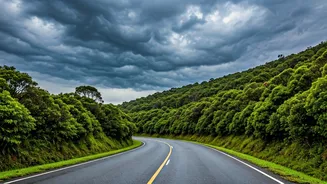


The Monsoon's Unpredictable Nature
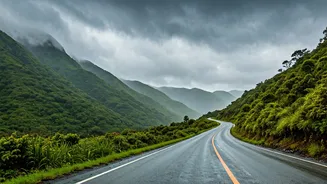
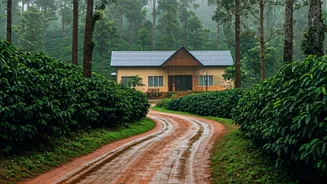
Driving from Bengaluru towards the Western Ghats means entering a region of complex microclimates. The monsoon winds, rich with moisture, hit the hills and can create intense, localized rain that global forecast models often miss. This is why a clear
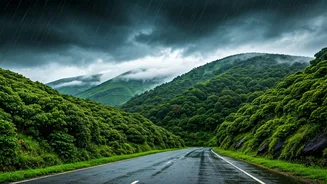
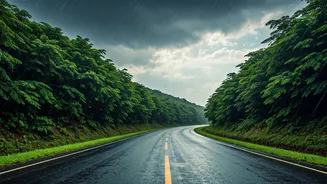
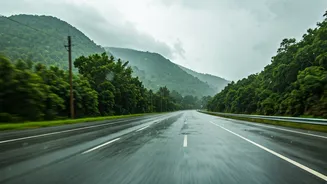
forecast for Bengaluru city doesn't guarantee a safe drive to Coorg or Chikmagalur. Heavy rainfall in these ghat sections can lead to slippery roads, reduced visibility due to fog, and even the risk of falling boulders or mudslides on key routes like the Shiradi and Charmadi ghats. Authorities often issue advisories for these areas, sometimes restricting heavy vehicle traffic during peak rain hours to ensure safety.
Decoding the Weather Forecasts
Relying on a single weather app is no longer enough. While the India Meteorological Department (IMD) has improved its heavy rainfall predictions, its accuracy decreases for forecasts more than three days out. For short-term planning, the IMD's five-day forecast is a reliable starting point. It's wise to cross-reference this with data from the Karnataka State Natural Disaster Monitoring Centre (KSNDMC), which provides real-time local updates. Many experienced travelers recommend checking multiple sources and paying close attention to 'nowcasts' or hourly updates, especially on the day of travel, as conditions can change rapidly.
Your Monsoon Driving Toolkit
Preparation is key to navigating the monsoon safely. Before you start, ensure your car is in top shape, especially the tyres, brakes, and windscreen wipers. Good tyre tread is critical for grip on wet, slippery roads. Packing an emergency kit is also crucial. This should include a power bank, a torch, some snacks and water, and a first-aid kit. Given the potential for getting stuck in traffic due to downpours or road blockages, it's also smart to always start with a full tank of fuel. Finally, downloading offline maps is a must, as mobile connectivity can be unreliable in the ghats.
Smarter Driving Strategies
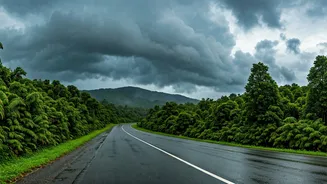
The way you drive needs to adapt to the conditions. One of the most important rules is to reduce your speed and maintain a much larger distance from the vehicle in front of you, as braking distances increase significantly on wet roads. Always use your low-beam headlights during the day for better visibility. Be extremely cautious of puddles; you never know how deep they are, and hitting one at speed can cause your car to lose control. If visibility becomes dangerously low, it's safer to pull over at a safe spot and wait for the rain to subside. Planning your drive to pass through ghat sections during daylight hours is also a wise precaution.
Choosing Wiser Destinations
Some destinations are inherently riskier than others during heavy monsoons. While places like Agumbe, known as the 'Cherrapunji of the South', are spectacular, they also receive intense rainfall that can make access difficult. Areas like Coorg and Chikmagalur are popular, but require careful monitoring of road conditions, particularly on the ghat sections. For a less stressful experience, consider destinations on flatter terrain or those with more reliable road access. Short trips to places like Nandi Hills or drives towards the east of Bengaluru can offer a monsoon experience with fewer risks. If you are set on a ghat destination, building a 'buffer day' into your itinerary can help accommodate unexpected delays without stress.