



The Sun’s Double-Edged Sword
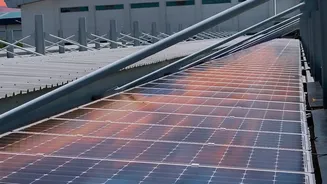
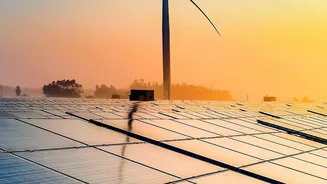
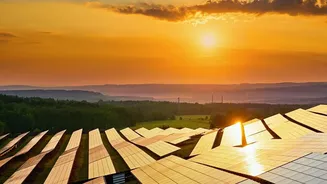
Solar panels are designed to live in the sun, but that constant exposure comes at a cost. While they harness sunlight to generate clean electricity, the same solar radiation, particularly its ultraviolet (UV) component, steadily breaks them down. This
process, known as photodegradation, affects the materials that encapsulate and protect the delicate photovoltaic cells. Over time, this can lead to microcracks, corrosion, and a gradual loss of efficiency. For a solar farm operator, even a small annual decline in performance—often between 0.5% to 1%—compounds into significant revenue loss over the 25- to 30-year lifespan of a facility. The industry has long sought better ways to shield panels from this unavoidable wear and tear, exploring everything from advanced polymers to new types of glass.
Nature’s Ultimate Sunscreen
The answer may lie in a material perfected by nature over millions of years: melanin. This is the pigment responsible for the color of our skin, hair, and eyes. Its primary biological purpose is to act as a natural sunscreen, absorbing harmful UV radiation and dissipating it as harmless heat before it can damage the DNA in our cells. Eumelanin, the brown-black type of the pigment, is incredibly effective at this, absorbing a broad spectrum of light. This unique protective quality has not gone unnoticed by scientists. Researchers have long been fascinated by melanin's ability to shield against radiation, with studies showing it helps microorganisms survive in extreme environments like Chernobyl and Antarctica. The question then became: could this natural shield be repurposed to protect our most important energy technology?
From Biology to the Laboratory
Harvesting melanin from natural sources is not practical for large-scale industrial use. The challenge for scientists was to create a synthetic version that mimics the properties of the real thing. Through innovative chemical processes, researchers have developed methods to produce bio-synthetic melanin-like nanoparticles in the lab. These lab-grown materials can be engineered to have specific properties, making them suitable for a range of applications beyond just bioelectronics, including as a protective agent. One key advantage of synthetic production is the ability to create a consistent, high-quality material that can be produced in the quantities needed for industrial coatings. These synthetic melanins can be made into films and solutions, opening the door for them to be applied to surfaces like solar panels.
A Protective Coating for a Longer Lifespan
When applied as a thin coating to the protective layers of a solar panel, bio-synthetic melanin acts much like it does in the skin. It absorbs the incoming UV radiation that would otherwise damage the panel's materials. By converting this damaging energy into heat, the melanin coating forms a sacrificial, protective barrier. This shield is designed to slow the degradation of the panel's backsheet and encapsulant, the materials most vulnerable to UV damage. Research has shown that melanin-based materials can improve the performance and durability of solar energy technologies. By extending the functional life of each panel and keeping its efficiency higher for longer, these coatings promise to make solar farms more resilient and financially viable, especially in regions with intense sun exposure.
The Future of Resilient Solar Power
The development of melanin-based coatings is part of a broader push toward creating more durable and efficient renewable energy infrastructure. As solar technology becomes more advanced, with new designs like bifacial and tandem cells, ensuring their long-term reliability is paramount. While still in advanced stages of research and development for this specific application, the potential is clear. A solar panel that degrades more slowly means a better return on investment, lower maintenance costs, and a more predictable power supply for the grid. By borrowing a trick from biology, scientists are on a path to making our solar infrastructure tougher, longer-lasting, and better equipped to handle the very element it depends on for power.