


The Science of Sizzle and Aroma
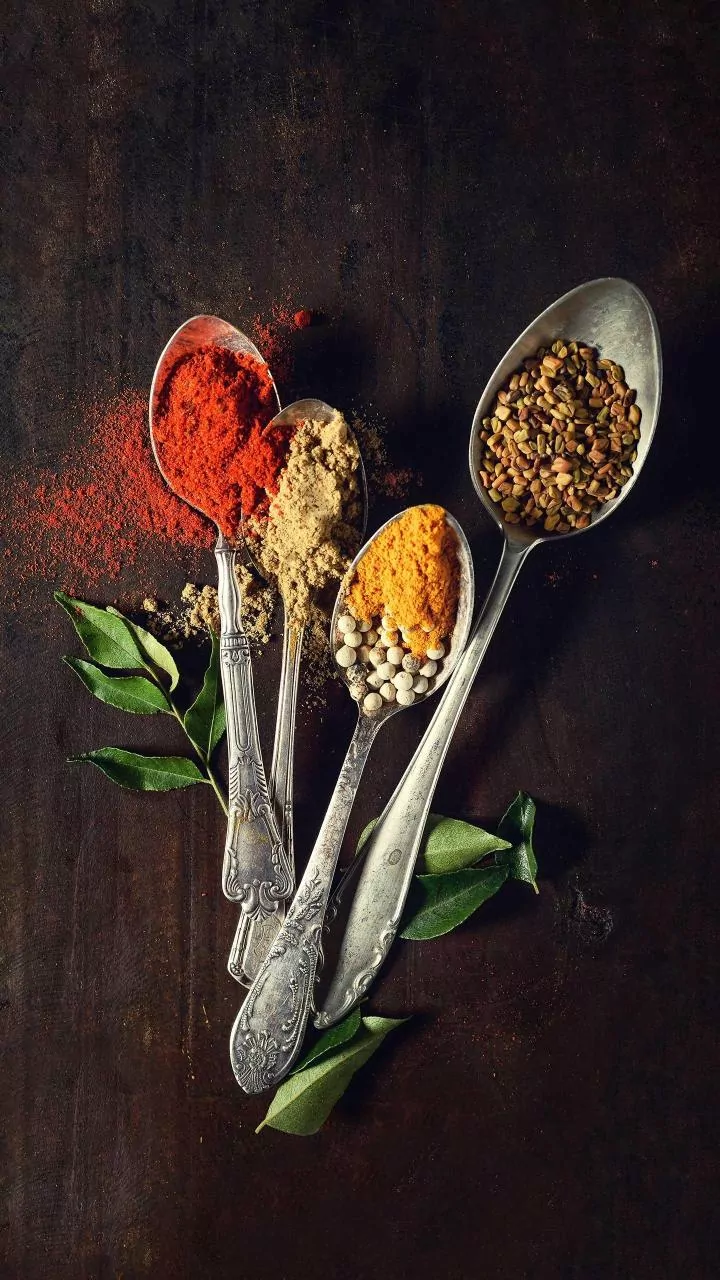
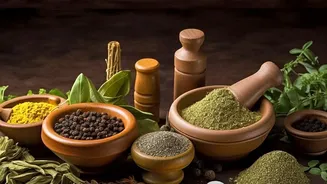
At its heart, tempering is a controlled chemical reaction designed to get the most out of your spices. Many spices, particularly whole ones like cumin and mustard seeds, contain volatile essential oils trapped within their cellular structures. These oils are
responsible for the distinct aroma and flavour of each spice. However, many of these flavour compounds are fat-soluble, not water-soluble. Simply adding them to a water-based curry or dal means their full potential remains locked away. When spices are introduced to hot fat, like ghee or oil, the heat works to break down their cell walls, releasing the aromatic oils. The fat then acts as a perfect carrier, dissolving these compounds and distributing them evenly throughout the entire dish. This is why a dish finished with a tadka has a depth of flavour that can't be achieved by just stirring in dry spice powders.
Unlocking a Deeper Flavour Profile
The process of tempering does more than just release existing flavours; it creates new ones. The high heat triggers what is known as the Maillard reaction, a chemical interaction between amino acids and sugars in the spices. This is the same reaction that gives browned butter, toasted bread, and roasted coffee their complex, savoury notes. For instance, when cumin seeds are tempered, they don't just release their inherent earthiness; they develop a richer, nuttier profile. This layering of flavour is what gives many Indian, Middle Eastern, and Mexican dishes their characteristic complexity and satisfying depth. The sizzle you hear is the sound of flavour being born, transforming simple ingredients into something far more aromatic and delicious.
A Boost for Digestive Wellness
The benefits of tempering extend beyond taste. In Ayurveda, a strong digestive fire, or 'agni', is considered the cornerstone of good health. Many spices are revered for their ability to support digestion, and tempering makes these properties more effective. Spices like cumin, fennel, and asafoetida (hing) are known for their carminative properties, which help to reduce gas and bloating. Turmeric contains curcumin, a compound with anti-inflammatory properties that becomes more bioavailable—meaning easier for the body to absorb—in the presence of fat and heat. By heating these spices in oil, their digestive and therapeutic compounds become easier for the body to assimilate, which is why a well-made tadka can make heavy dishes like lentils feel lighter and more digestible.
Mastering the Art of Tadka
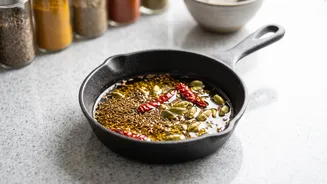
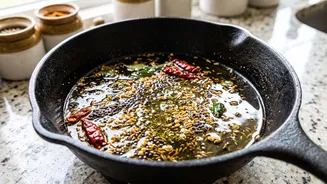
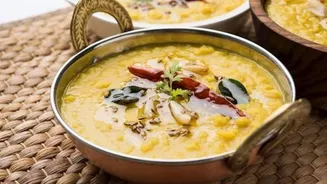
While the science is complex, the technique is swift, often taking less than a minute. The key is preparation and timing. First, heat your fat (ghee, mustard oil, or a neutral oil) over medium-high heat. A good test is to drop in a single cumin seed; if it sizzles immediately, the oil is ready. Spices should be added in a specific order. Start with whole spices that need more time, like cinnamon or bay leaves. Follow with seeds like mustard and cumin, which will pop and crackle. More delicate ingredients like curry leaves, dried chillies, and ground spices should be added last, sometimes even after turning off the heat, as they can burn in seconds. The moment the spices become fragrant and slightly darkened, the tadka is ready to be poured over your dal, curry, or yogurt, infusing the entire dish with its magic.