







Why Natural Pest Control Matters
For many, a balcony is an extension of the home—a place to relax, grow herbs for the kitchen, or cultivate beautiful flowers. Using chemical pesticides in such a small, personal space can be a concern. Natural alternatives offer peace of mind, ensuring
your little slice of nature remains safe for you, your family, and pets. A homemade neem oil spray is not only effective but also biodegrades quickly, leaving no lasting residue. It's an eco-friendly approach that targets pests without harming the environment you've worked so hard to create.
Understanding Your Simple Toolkit
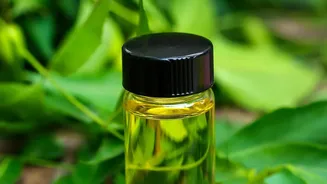
The magic of this spray lies in its two main ingredients: neem oil and a mild liquid soap. Neem oil, extracted from the seeds of the Neem tree, is a powerhouse of natural pest control. Its most active compound, Azadirachtin, doesn't always kill pests on contact. Instead, it works by disrupting their lifecycle; it acts as a repellent, suppresses their appetite, and interferes with their hormones, preventing them from growing and reproducing. The liquid soap is not just a cleaner; it acts as an emulsifier. Since oil and water don't mix, a few drops of soap help the neem oil disperse evenly throughout the water, ensuring every drop of your spray is effective.
The Perfect Recipe for Your Plants
Creating your own pest-fighting spray is incredibly simple. You only need three things: cold-pressed neem oil, a mild liquid soap (like castile soap or a gentle dish soap without degreasers), and water. For a standard preventative spray, follow this ratio: mix 1 teaspoon (about 5ml) of neem oil with 1/2 teaspoon of mild liquid soap in 1 litre of warm water. First, mix the soap into the warm water, then slowly add the neem oil while stirring continuously. Pour the mixture into a clean spray bottle and shake it well. It's crucial to use the mixture immediately, as the active compounds in neem oil can degrade over time when diluted. Always shake the bottle periodically during application to keep the solution mixed.
How to Apply for Best Results
Application is just as important as the recipe. The best time to spray your plants is in the early morning or late evening, as applying neem oil in direct, hot sunlight can cause the leaves to burn. Before treating an entire plant, always perform a 'spot test' by spraying a single leaf and waiting 24-48 hours to check for any signs of damage like yellowing or burning. When you're ready to spray, ensure you get complete coverage. Pests love to hide on the undersides of leaves and in the joints between stems and leaves, so be thorough. Mist the plant until the solution is just starting to drip from the foliage. For an active infestation, you may need to reapply every 4 to 7 days until the problem is resolved.
Common Pests It Controls
This simple spray is remarkably effective against a wide range of common soft-bodied pests that frequently bother balcony gardens. It works well to control populations of aphids, spider mites, mealybugs, whiteflies, thrips, and scale insects. For some of these pests, the oil works on contact by coating and suffocating them. For others, the ingested Azadirachtin disrupts their ability to feed and mature, which breaks their lifecycle. While it won't provide the instant knockdown of some chemical sprays, its systemic effect offers longer-lasting control.
Important Precautions to Remember
While neem oil is natural, a few precautions are necessary. Some plants can be sensitive to it, particularly those with fuzzy leaves, delicate herbs like basil and parsley, or very young seedlings. This makes spot testing essential. Avoid using the spray on plants that are already stressed from underwatering, overwatering, or recent repotting, as this can cause further shock. Although generally safe for beneficial insects like bees and ladybugs (since they don't eat the leaves), it's best to spray when these pollinators are less active in the early morning or evening. Always wash any edible plants, like herbs or vegetables, thoroughly with water before consumption if they've been sprayed.