


Beyond the Seasonal Average
Traditionally, a 'good' or 'bad' monsoon was determined by whether the total rainfall was above or below the long-period average. Flood planning often followed a similar logic: more overall rain meant a higher risk of floods. But this simplistic model
is failing. Recent years have shown that even in a season with a rainfall deficit, some regions can be devastated by floods. This paradox is at the heart of India's new climate reality. The total volume of water is only one part of the equation; its distribution across time and space is proving to be a more critical, and volatile, factor. The country is witnessing a significant shift, with longer dry spells being punctuated by sudden, intense bursts of extreme rainfall, making old prediction and planning models obsolete.
The Deluge in a Day: Intense Bursts Overwhelm Cities
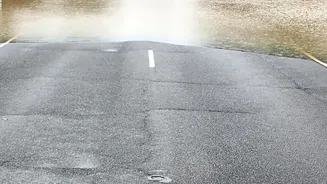
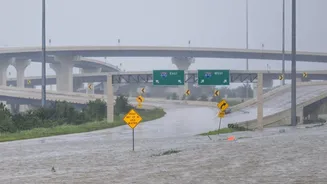
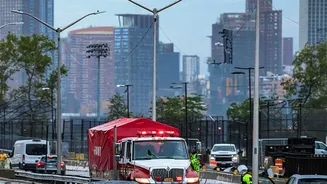
One of the most dangerous trends is the concentration of rainfall into shorter, more violent spells. Instead of steady rain over several days, cities are now experiencing a month's worth of rain in a matter of hours. Just this month, on September 4, 2026, a sudden downpour in Delhi flooded airport roads and forced nine flights to divert. Similarly, Bareilly in Uttar Pradesh recently recorded exceptionally heavy rainfall of over 20 cm in a day. Urban drainage systems, many of which were designed decades ago for much lower rainfall intensity, are simply not equipped to handle this volume. The result is predictable and chaotic: flash floods, widespread waterlogging, and paralyzed city life, even when the seasonal total remains 'normal'.
The Urban Nightmare: Concretisation and Vanishing Sponges
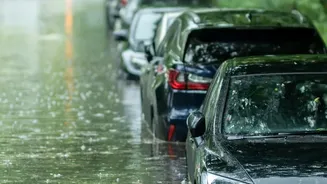
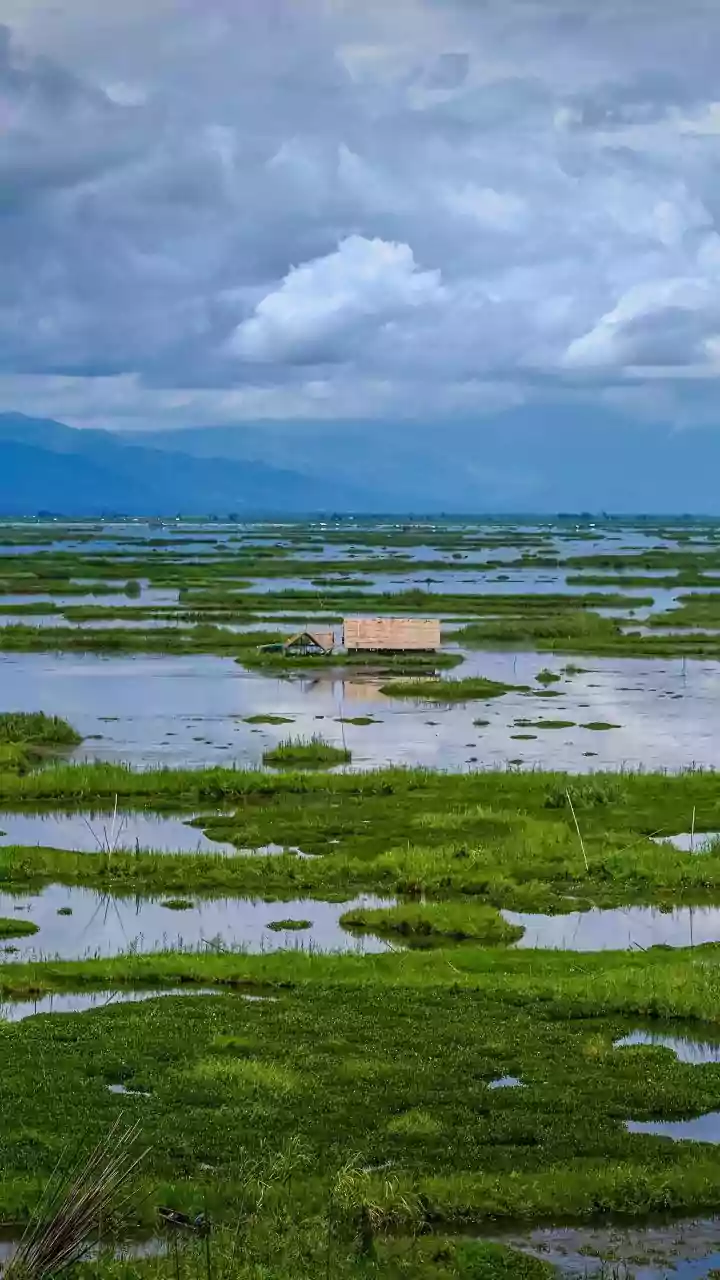
This problem of intense rainfall is compounded by unchecked urbanisation. As cities expand, permeable surfaces like soil, parks, and wetlands are replaced by impermeable concrete and asphalt. These 'concrete jungles' prevent rainwater from being naturally absorbed into the ground, turning entire neighbourhoods into massive runoff channels that overload the drainage infrastructure. Bengaluru, for example, has lost a significant number of its lakes and natural water bodies to encroachment, which once acted as natural sponges. This combination of intense downpours and the loss of natural drainage capacity means that even moderate rainfall can now trigger severe urban flooding, a phenomenon becoming tragically common in cities like Mumbai, Delhi, and Chennai.
A Tale of Two Indias: Floods and Drought Coexisting
The uneven distribution is not just temporal, but also geographical. Climate change is altering traditional monsoon pathways. In August 2026, while intense rains caused flooding in parts of eastern and northwestern India, large parts of Peninsular India remained drier than normal. As of early September 2026, the country as a whole has a rainfall deficit, yet severe flooding has impacted millions in states like Bihar and Uttar Pradesh. We are increasingly seeing a pattern where some districts suffer from devastating floods while neighbouring ones might be grappling with drought-like conditions. This makes national and even state-level planning incredibly difficult, as a one-size-fits-all approach to water management and disaster relief becomes ineffective.
Rethinking the Plan: From Totals to Timelines
Adapting to this new reality requires a fundamental shift in flood planning. Instead of focusing solely on seasonal averages, authorities need to plan for extreme, short-duration rainfall events. This means upgrading urban drainage systems to handle higher capacities and investing in 'blue-green infrastructure' like wetlands, parks, and permeable pavements that can absorb and slow down stormwater runoff. Forecasts must become more granular, providing localised warnings for intense downpours rather than just regional overviews. Moreover, water management needs to be more integrated, preparing for both floods and water scarcity within the same season by building better storage and recharge systems. The challenge is no longer just managing abundance or scarcity, but managing volatility.