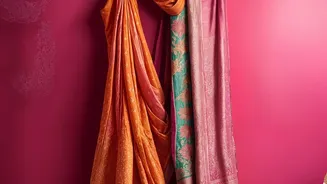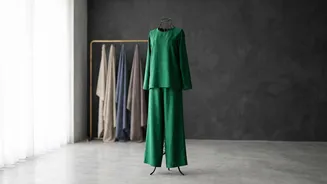







The Foundation: Fabric is Everything
Before considering style, focus on the material. In a climate that swings between humid, dry, and cool, your fabric choice is paramount. Breathable, natural fabrics are your best allies. Cottons, especially handloom and mulmul, are staples for their ability
to absorb moisture and allow air circulation. Linen is another excellent choice, prized for its lightweight feel and quick-drying properties. For moments that require a touch of elegance without the weight, consider blends like cotton-silk, or sheer materials like chiffon and organza that work well for layering. In cooler weather, fabrics like velvet, wool blends, and heavier silks provide warmth without excessive bulk. The guiding principle is to choose materials that work with the climate, not against it, ensuring comfort from a hot afternoon to a breezy evening.
Building on Basics: The Wardrobe Backbone
A versatile wardrobe is built on a foundation of strong, simple basics that can be dressed up or down. These are the high-utility pieces that form the canvas for countless outfits. Think of a collection of well-fitted kurtas in solid, neutral colours like white, black, beige, or navy. These can be paired with anything from classic palazzos and straight-cut trousers to simple jeans. A crisp white shirt, a few quality t-shirts, and tailored trousers are other essentials that bridge the gap between Indian and Western wear. The idea is to own 'multitaskers'—items that can be styled in at least three different ways. For instance, a simple cotton kurta set can be worn for a casual outing, but its kurta can also be layered over jeans, and the dupatta can be styled as a scarf with a different outfit.
The Art of Smart Layering
Layering in the Indian context isn’t about piling on heavy clothes; it's about adding or removing lightweight pieces to adapt to temperature changes. A well-chosen dupatta, for example, is more than an accessory—it's a light layer for a chilly evening. Similarly, a Nehru jacket or a stylish shrug can instantly elevate a simple kurta while adding a touch of warmth. The key is to think in three parts: a breathable base layer (like a cotton top or kurta), an optional mid-layer for insulation (like a vest or light cardigan), and an outer layer for protection or style (like a jacket or shawl). This approach allows you to stay comfortable whether you’re in an air-conditioned office, travelling, or moving between indoor and outdoor settings. A lightweight jacket is a non-negotiable part of a capsule wardrobe in India for this reason.
Embracing Repeat Wear and Sustainability
The most sustainable wardrobe is the one you already own. By investing in high-quality basics and learning to style them in multiple ways, you naturally embrace the concept of repeat wear. This philosophy challenges the fast-fashion cycle of buying single-use outfits for every occasion. A capsule wardrobe, which consists of a limited number of versatile pieces, is the perfect framework for this. Instead of buying a new, heavily embellished outfit for every festival, for instance, you could invest in a classic silk saree or a well-tailored Anarkali that can be re-accessorised for different events. This 'wear more, buy less' approach is not only cost-effective and environmentally friendly but also helps in developing a strong personal style. By caring for your clothes properly—gentle washing, air drying, and minor repairs—you extend their life and reduce waste.