







The Perfect Storm: Heat Meets Humidity
The core of the issue is the double-act of warmth and moisture. During the Indian monsoon, especially in July, ambient temperatures often hover in a range that’s ideal for microbial growth. When you combine this with high relative humidity, which can
reach 80-90 percent, you create an environment where microscopic life thrives. Humidity is essentially moisture in the air. This moisture doesn't just stay in the air; it settles on surfaces, gets absorbed by dry goods, and creates a thin, invisible film of water on everything from your countertops to the vegetables in your basket. This layer of moisture is exactly what bacteria, yeasts, and molds need to multiply rapidly.
Meet Your Uninvited Guests: Microbes on Overdrive
Your kitchen is always home to a variety of microorganisms like yeasts and bacteria. Most of the time, they are harmless and exist in a delicate balance. But the monsoon conditions supercharge their activity. Warmth acts as an accelerator for their metabolic processes, essentially speeding up their 'biological clock'. The abundant moisture from the humid air provides the fuel they need to reproduce exponentially. This is why a loaf of bread that might last a week in winter grows green fuzz in two days, why your dosa batter over-ferments overnight into a sour mess, and why fruits on the counter ripen and rot in what feels like mere hours.
The Fermentation Fast Lane
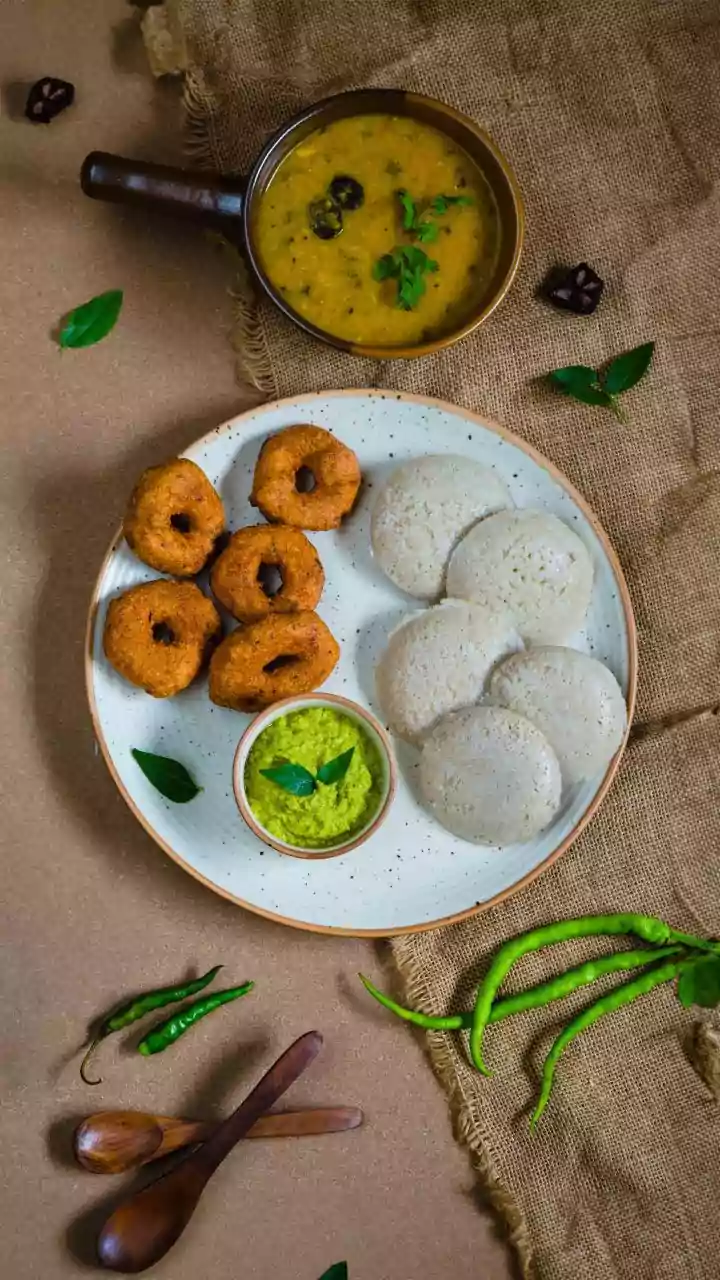
Fermentation is a natural process where microbes break down sugars into other substances, like alcohol or acids. It’s a desirable process when you're making curd, idli, or sourdough. However, the high heat and humidity of a July kitchen puts this process into overdrive. The ideal temperature for many common household ferments is around 20-25°C. But when kitchen temperatures climb higher, fermentation happens much faster and can become uncontrolled. This accelerated process can turn your carefully planned fermentation into spoilage, producing off-flavors and ruining food. What should be a slow, controlled development of flavour becomes a rapid descent into sour, mushy results.
Reclaiming Your Kitchen: Practical Counter-Measures
Fighting back against the microbial takeover doesn't require a laboratory; it just requires strategy. The most crucial step is controlling moisture. Store all dry goods—flour, lentils, spices, snacks—in completely airtight containers. The original packaging is not enough to protect against pervasive humidity. Consider storing particularly vulnerable items like nuts, dry fruits, and whole spices in the refrigerator during the monsoon. Ventilate your kitchen whenever possible. Use an exhaust fan while cooking to pull steam and moisture out of the air. Don't let water stand in the sink or on countertops; wipe up spills immediately.
Smart Storage and Hygiene Habits
Your refrigerator is your most valuable ally. During the monsoon, be more aggressive about refrigerating perishables. Cooked food, cut vegetables, and even doughs should be stored in the fridge to slow down microbial activity. Be mindful of your fermentation times. If your idli batter usually takes 8 hours, it might be ready in 4 or 5 in a humid kitchen. Check on it more frequently. Daily hygiene becomes even more critical. Wipe down kitchen surfaces with a mild disinfectant, clean drains regularly to prevent musty odours, and ensure your dishcloths are completely dry. Even a small amount of trapped moisture can become a breeding ground for fungus and bacteria.