








The New Normal: From Fast to Instant
What was once a novelty has rapidly become the standard in many Indian cities. [8] The promise of 10-minute delivery, pioneered by quick commerce (q-commerce) giants like Blinkit, Zepto, and Swiggy Instamart, has fundamentally altered consumer expectations.
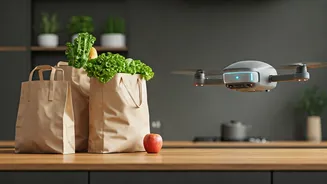
[8, 12] This isn't just about getting groceries anymore; it's about receiving everything from snacks and personal care items to electronics and medicines almost instantly. [5, 8] The COVID-19 pandemic acted as a major catalyst, pushing consumers towards safer, online options and accelerating the adoption of these services. [15, 17] Now, for millions of urban dwellers, the local corner store is no longer a physical place but an app on their phone. [26] This shift is so profound that platforms are expanding into Tier 2 and Tier 3 cities, finding fertile ground among Gen Z and millennials who value speed and convenience above all. [4, 15]
The Psychology of Speed
The biggest impact of this q-commerce revolution is psychological. [19] It’s conditioning a whole generation of consumers to expect immediate gratification, making patience a forgotten virtue in shopping. [19] Traditional shopping involved planning, making lists, and stocking up. [19] Instant delivery flips this on its head, encouraging more frequent, smaller, and often impulsive purchases. [18, 19] This has turned consumption into a real-time activity, where the friction between desire and acquisition is almost zero. [19] The expectation of speed is now so ingrained that longer delivery times can feel unacceptable, fundamentally resetting the benchmark for what consumers consider good service. [19] This change in behaviour is evident, with studies showing a massive shift toward digital-first shopping for daily needs since quick commerce became mainstream. [20]
Why Are We in Such a Hurry?
The demand for speed isn't just about impatience; it reflects deeper shifts in modern Indian urban life. With rising urbanization, longer work hours, and an increasing number of working couples, time has become the ultimate luxury. [10, 15] Quick commerce offers a solution, saving precious minutes and mental energy that would otherwise be spent on planning and shopping. [21] These services cater perfectly to a tech-savvy population with high smartphone penetration and digital literacy. [17] Platforms like Flipkart Minutes have seen exponential growth, particularly in smaller cities, indicating that the desire for convenience is a widespread phenomenon across the country. [4] Customers are not just ordering more; they are ordering differently, expanding from emergency top-ups to full-blown weekly shops and even lifestyle products. [4]
The Hidden Costs of Convenience
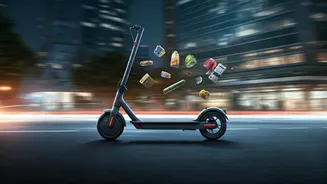
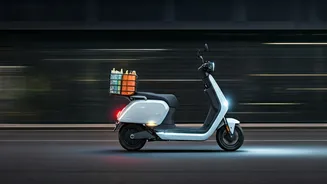
While the convenience is undeniable, the 10-minute delivery model is not without its challenges and criticisms. The business model is capital-intensive, relying on a dense network of 'dark stores'—small, hyperlocal warehouses—and advanced technology, which leads to high operational costs and slim profit margins. [3, 7, 12] Profitability remains a significant hurdle for many players in this fiercely competitive market. [3, 14] Beyond the economics, there are social and ethical questions. The immense pressure to meet tight deadlines can lead to risky behaviour among delivery riders, raising safety concerns for them and others on the road. [22, 24] There are also concerns about the model's impact on traditional Kirana stores, which have long been the backbone of Indian retail but now face intense competition. [11]
What Does the Future Hold?
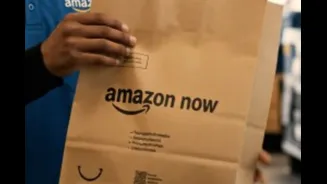
The quick commerce sector in India is at a crossroads, transitioning from a phase of high-growth to one that will require more disciplined and sustainable strategies. [9] The market is projected to continue its explosive growth, potentially reaching over $60 billion by 2030 as it penetrates deeper into the country. [14] Companies are expanding their product categories beyond groceries into higher-margin items like beauty and prepared foods to improve profitability. [9] We're also seeing a push towards sustainability, with major players committing to electric delivery vehicles to offset their environmental impact. [26] As the competition intensifies with the scaling up of services from giants like Amazon and Flipkart, the focus will likely shift from just speed to a more nuanced balance of speed, selection, sustainability, and profitability. [4, 6]