






More Than Just Water
For years, the advice was simple: drink eight glasses of water a day. But the new wave of hydration is far more nuanced. The conversation has shifted from the quantity of water to the quality of hydration. Enter electrolytes. These essential minerals—like
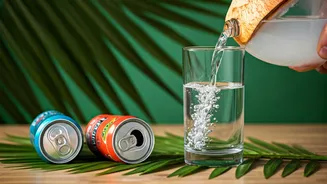
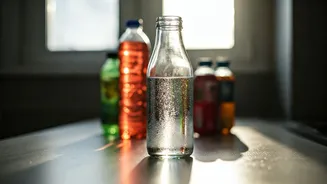
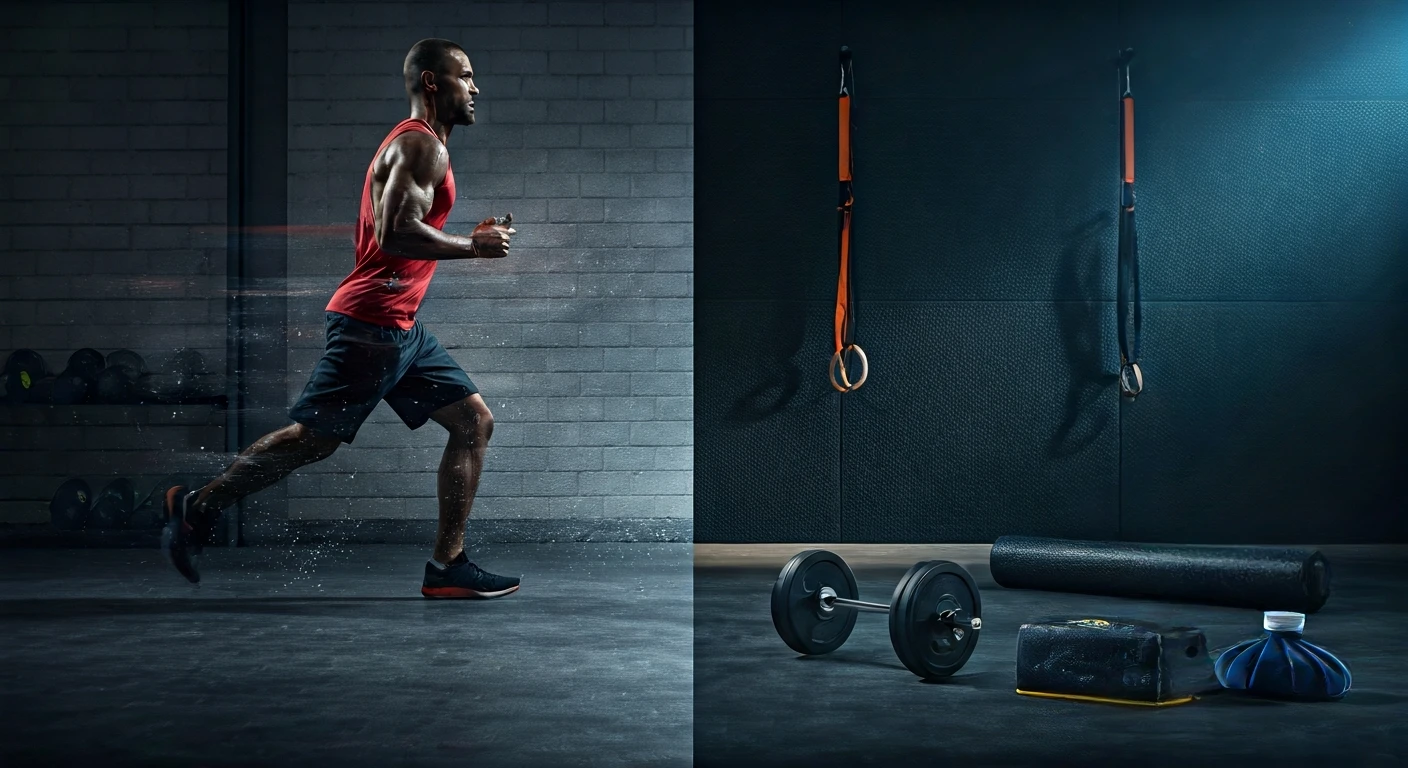
sodium, potassium, and magnesium—are crucial for helping your body actually absorb and use the water you drink. They help regulate everything from nerve function to muscle contractions. The current trend emphasizes that especially during exercise, hot weather, or illness, replenishing these minerals is as important as drinking water itself. This has led to a surge in products designed not just to hydrate, but to replenish.
The Billion-Dollar Thirst
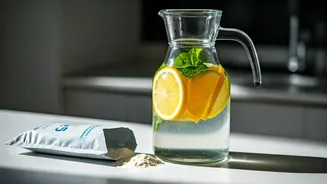
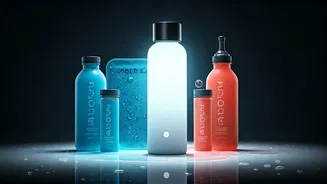
The wellness industry has been quick to capitalize on this renewed focus. The global electrolyte powder market was valued at over USD 8.7 billion in 2024 and is projected to grow significantly, with some reports suggesting it could reach over USD 15 billion by 2032. This boom is fueled by an expanding array of products, from single-serve electrolyte stick packs to bulk powders in countless flavours. Beyond powders, technology has entered the chat. Smart water bottles from brands like HidrateSpark and WaterH track your intake, sync with health apps, and even glow to remind you when it's time to take a sip. This tech-forward approach turns hydration from a passive necessity into an active, trackable wellness goal.
The Science of Sipping
So, is this all just clever marketing? Not entirely. There is solid science backing the importance of electrolytes. These minerals carry an electric charge and are vital for maintaining fluid balance, regulating blood pressure, and ensuring your nerves and muscles function correctly. When you sweat, you lose these salts, and drinking water alone can sometimes further dilute their concentration in your body. However, for the average person not engaging in intense, prolonged exercise, the electrolytes found in a balanced diet are often sufficient. The key is understanding your own needs. While an elite athlete might require a specialized drink, others might get the same benefits from a banana and a glass of water.
Hydration as a Status Symbol
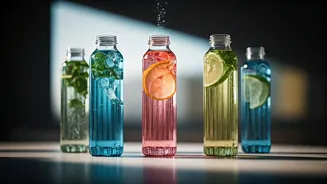
The focus on hydration has also taken on a cultural dimension. Carrying a trendy water bottle, whether it’s a Stanley, Owala, or S’well, has become an accessory and a statement. Celebrities frequently tout hydration as a core part of their beauty and wellness routines, with stars like Kerry Washington and Kendall Jenner endorsing specific electrolyte brands and bottles. On social media platforms, trends like #WaterTok, where users create 'water recipes' with different flavourings and syrups, have gone viral, further cementing hydration as a lifestyle choice. It's no longer just about health; it's about participating in a wellness culture where optimizing your body's functions is a celebrated goal.
How to Hydrate Smarter
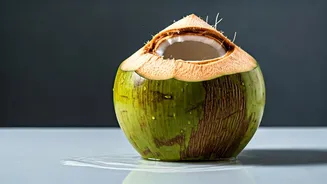
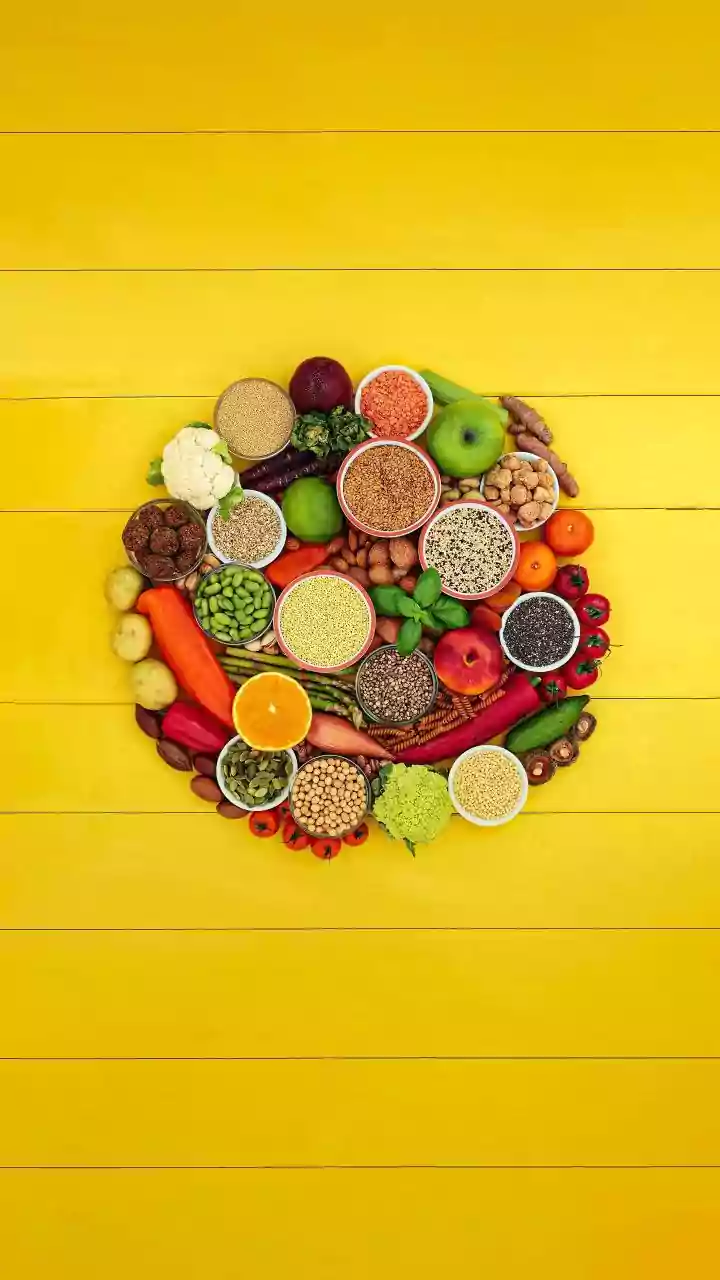
Navigating the world of enhanced hydration can feel overwhelming. A good starting point is to focus on whole foods. Fruits and vegetables like watermelon, oranges, and cucumbers are great natural sources of both water and electrolytes. When considering a supplement, read the label carefully. Many sports drinks and powders contain high levels of sugar, which may not be necessary for everyday hydration. For most people, listening to your body's thirst cues is a reliable guide. Electrolyte supplements are most beneficial during or after intense workouts lasting over an hour, in extreme heat, or when recovering from an illness that causes fluid loss. The goal is to find a sustainable routine that makes you feel your best, whether that involves a simple reusable bottle or a carefully chosen supplement.