






The Dark Side of a Chemical Sparkle
As the rains arrive, so do the advertisements for heavy-duty chemical cleaners promising a pristine, germ-free home. However, the very humidity that makes the monsoon challenging also amplifies the potential risks of these products. Many conventional
cleaners release volatile organic compounds (VOCs). In a poorly ventilated, damp home, these airborne chemicals can linger, potentially causing everything from headaches and skin irritation to triggering respiratory issues like asthma. The strong fragrances used to mask musty smells often contain their own complex mix of chemicals that can pollute indoor air. Furthermore, the constant battle against mould and mildew in bathrooms and on walls leads to more frequent use of these products, increasing exposure for families, especially children and pets who spend more time in contact with cleaned surfaces. This growing awareness of the hidden costs of a chemically-induced shine is the primary driver behind the search for a better, safer way to clean.
The Gentle Power of Going Natural
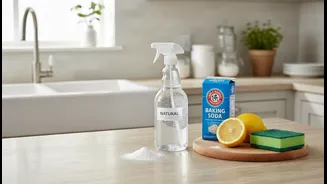
The natural cleaning movement isn't about compromising on hygiene; it's about choosing smarter, safer ingredients. The stars of this trend are often humble kitchen staples. White vinegar, with its acidic nature, is effective at cutting through grime, dissolving mineral deposits from hard water, and tackling some types of mould. Baking soda acts as a gentle abrasive for scrubbing and is a champion at absorbing moisture and neutralising odours from carpets, upholstery, and stuffy closets. Together, they form a powerful, non-toxic duo for a fraction of the cost of specialised commercial products. This shift offers significant benefits: improved indoor air quality, a safer environment for children and pets, and a reduced environmental footprint, as these natural ingredients are biodegradable and don't pollute waterways.
Wisdom from Our Grandmothers' Kitchens
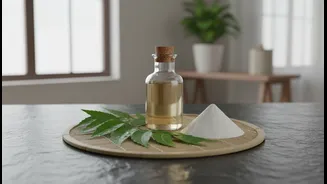
This modern trend is, in many ways, a rediscovery of traditional Indian household wisdom. Long before colourful bottles lined supermarket shelves, Indian homes were kept clean and hygienic using ingredients from the kitchen and garden. Neem, revered for its potent antibacterial and antifungal properties, is a cornerstone of this traditional approach. Boiling neem leaves in water creates a powerful disinfectant solution perfect for mopping floors or wiping down mould-prone surfaces, a common issue during the monsoon. Soapnut, or reetha, was the original laundry detergent, producing a natural lather to gently clean clothes. Even something as simple as placing salt in bowls around a room to absorb excess humidity is a time-honoured trick to combat the dampness of the rainy season. This return to natural methods is more than just nostalgia; it's an appreciation of effective, sustainable practices passed down through generations.
Your Monsoon Natural Cleaning Toolkit
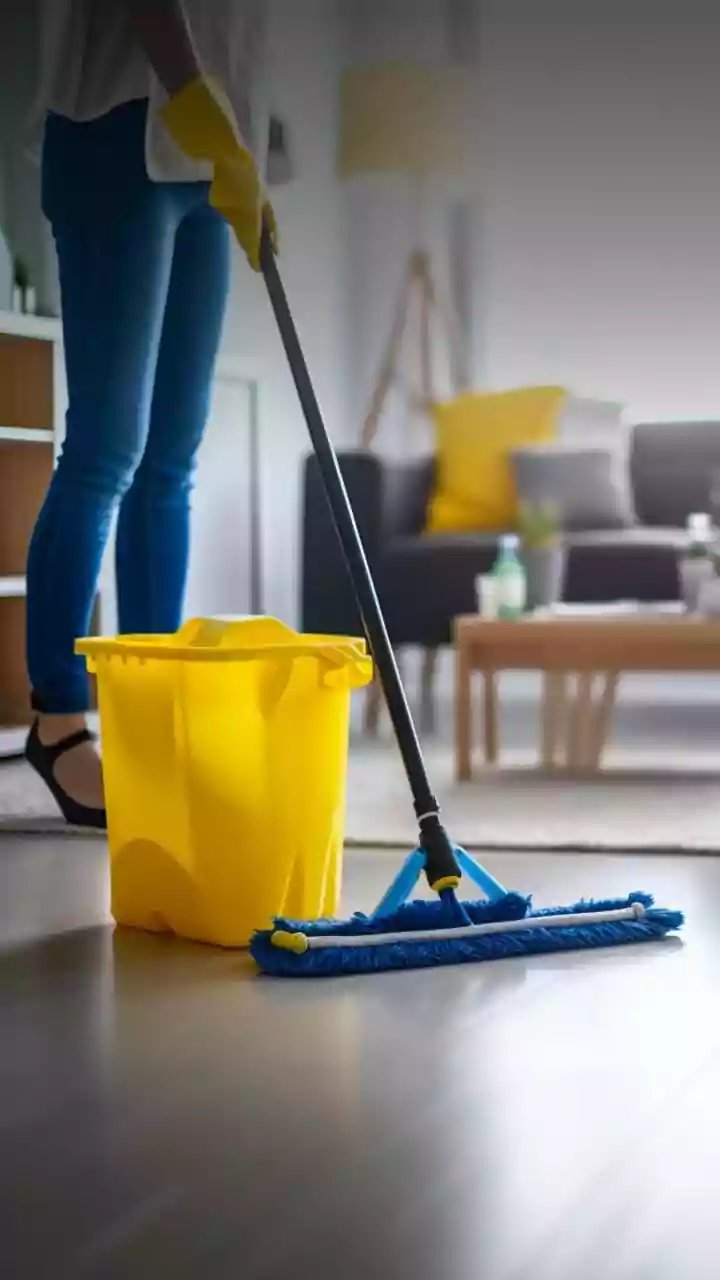
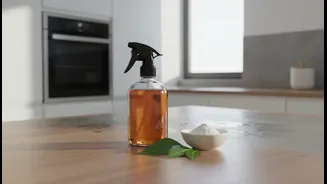
Embracing natural cleaning is simple. Most of what you need is likely already in your home. For an all-purpose surface cleaner, mix equal parts white vinegar and water in a spray bottle. It’s perfect for countertops, tiles, and sinks. To fight the inevitable monsoon mould, spray undiluted white vinegar directly on affected areas, let it sit for an hour, and then scrub it off. For a natural air and fabric freshener, sprinkle baking soda on carpets and furniture, let it sit for 30 minutes to absorb musty odours, and then vacuum it up thoroughly. To tackle damp floors, you can even sprinkle cornstarch on wet patches, let it absorb the moisture for 10-15 minutes, and sweep it away. For mopping, add a strained solution of boiled neem leaves to your water for a disinfectant that's tough on germs but gentle on your home.