



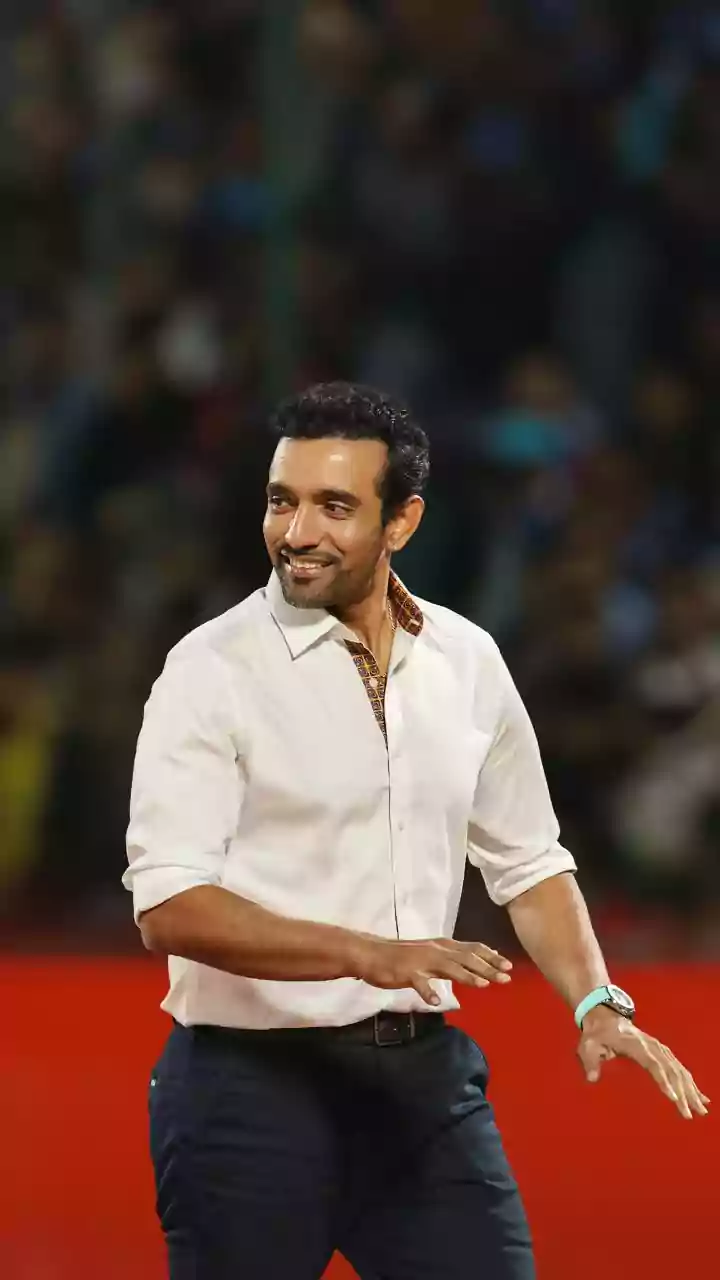
For months, he was groomed as the answer to India’s most persistent batting problem. Yet, when the 2019 World Cup squad was announced, Ambati Rayudu was out. The decision sparked a firestorm of debate that lingers in Indian cricket lore.
India's No. 4 Conundrum
Heading into 2019,
the Indian team looked like a well-oiled machine, but for one glaring weakness: the No. 4 batting position. Ever since Yuvraj Singh's departure, the spot had become a revolving door. Numerous players were tried, but none could cement their place. In late 2018, however, it seemed a solution had been found in Ambati Rayudu. Captain Virat Kohli publicly backed him, suggesting the search for a stable middle-order batsman was over. Rayudu delivered strong performances in the Asia Cup and against New Zealand, averaging over 63 in the latter series, making his inclusion seem like a formality. He was, by all accounts, the designated man for the job.
The 'Three-Dimensional' Shocker
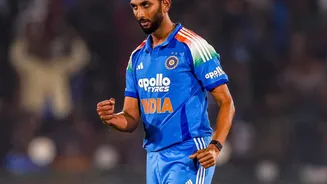
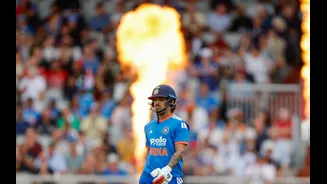
On April 15, 2019, the selection committee, led by chairman MSK Prasad, announced the 15-man squad. The biggest surprise was Rayudu's omission. In his place, the selectors picked all-rounder Vijay Shankar. The official justification, delivered by Prasad, became instantly infamous. He stated that Shankar was chosen because he brought 'three dimensions' to the team: batting, bowling, and fielding. The explanation suggested that Shankar's all-round abilities offered more flexibility than Rayudu's specialist batting. While Rayudu’s form had dipped slightly in the series against Australia just before the announcement and in the ongoing IPL, the decision to drop a player who had been consistently backed for the role for months was a major shock to fans and pundits alike.
A Tweet Heard Around the Cricket World
The selection decision prompted a swift and sarcastic response from Rayudu. In a tweet that would become a defining moment of the controversy, he wrote: 'Just Ordered a new set of 3d glasses to watch the world cup'. The thinly veiled jab at MSK Prasad's 'three-dimensional' reasoning went viral, resonating with a public that was largely baffled by the selectors' logic. While the BCCI initially stated there would be no sanctions for the emotional outburst, the tweet hung over the entire situation. Rayudu later said he didn't regret the tweet, though he admitted the snub was deeply disappointing.
Injury, Replacements, and Deeper Issues
The saga didn't end there. Rayudu was named as one of the official standbys for the tournament. When opener Shikhar Dhawan was ruled out due to injury, the management called up Rishabh Pant, a middle-order batsman. Later, when Vijay Shankar himself was injured, the team management didn't turn to Rayudu, the man he had replaced. Instead, they flew in Mayank Agarwal, an opener who had never played an ODI before. This second snub was perhaps more telling than the first. It suggested that the decision to exclude Rayudu went beyond just a preference for Shankar's '3D' skills. Many believe his tweet had effectively blacklisted him in the eyes of the management. Soon after, Rayudu announced his retirement from all forms of cricket, though he would later reverse this decision.
The Aftermath and Lingering Questions
MSK Prasad has since stated that the decision was a collective one made by the fivendmember selection committee and the captain, denying any personal bias. He, along with other selectors, pointed to Rayudu's stagnant form and perceived low confidence leading into the tournament as contributing factors. However, the No. 4 problem haunted India throughout their World Cup campaign, which ended with a heartbreaking semi final loss to New Zealand—a match where the middle order failed to deliver under pressure. The exclusion of Ambati Rayudu remains a classic 'what if' scenario, a cautionary tale about selection strategies, player communication, and the undeniable role of team dynamics in the high stakes world of Indian cricket.