





The Fiery Gulmohar
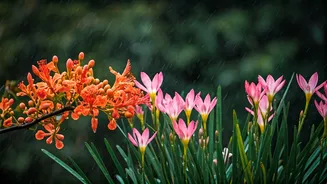
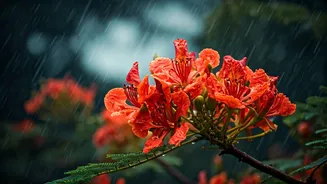
Often called the 'flame of the forest,' the Gulmohar (Delonix regia) is an undisputed star of the monsoon. While it begins blooming in the preceding summer months, its vibrant, fiery red and orange canopy seems to reach its peak glory against the backdrop
of grey monsoon skies. The flowers often carpet the ground below, creating a stunning visual contrast with the wet, dark earth. Seeing a street lined with Gulmohar trees in full bloom is a signature Indian monsoon experience, a spectacular display that signals the season of renewal. Its wide, umbrella-like shape also offers perfect, albeit temporary, shelter from a sudden downpour.
The Golden Shower of Amaltas
If Gulmohar is the fire, then Amaltas (Cassia fistula) is the golden rain. Known as the 'golden shower tree,' this native Indian tree produces long, drooping clusters of brilliant yellow flowers. The sight of these delicate, fragrant blossoms cascading down is breathtaking, especially after a fresh spell of rain when water droplets cling to the petals, making them sparkle. In many parts of India, the blooming of Amaltas is a clear indicator that the monsoons are just around the corner. Its cheerful colour provides a beautiful antidote to the often-overcast weather, lighting up parks and avenues with its sunny disposition.
The Fragrant Juhi and Mogra
The monsoon enhances not just sight but also smell, and no flowers contribute more to the season's fragrance than jasmine varieties like Juhi and Mogra. These climbing or shrubby plants produce small, intensely fragrant white flowers that seem to release their most potent perfume into the cool, humid evening air. The rainy season is their prime time for blooming. The scent of Mogra, in particular, is deeply woven into Indian culture, used in everything from religious offerings to personal adornment. A string of fresh Mogra in one's hair on a rainy evening is a simple, timeless pleasure.
The Hardy and Humble Hibiscus
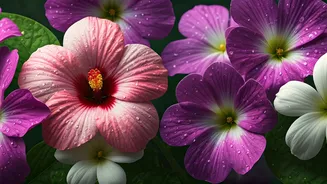
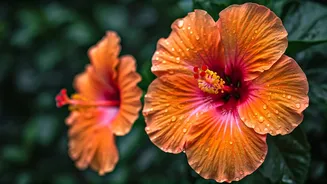
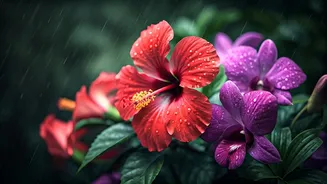
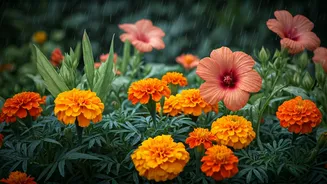
The humble Hibiscus is a garden staple across India, but it truly comes into its own during the monsoon. The increased humidity and regular watering galvanise the plant into producing a profusion of large, showy blooms. Available in a spectrum of colours—from deep reds and bright yellows to soft pinks and pure whites—the Hibiscus adds a reliable splash of tropical vibrancy to any garden or balcony. These flowers are not just beautiful but also hardy, able to withstand the force of the rains. Each bloom may only last a day, but the plant produces them so relentlessly throughout the season that it remains a constant source of colour.
The Ethereal Plumeria
Commonly known as Champa, the Plumeria tree produces waxy, elegant flowers with a sweet, captivating fragrance that intensifies after rainfall. Often found near temples and in home gardens, its blossoms in shades of white, yellow, pink, and red are iconic. The flowers are robust and don't easily get damaged by the rain, often falling to the ground perfectly intact. Finding a fresh Champa flower on the ground after a monsoon shower feels like discovering a small piece of natural art. Their intoxicating scent, mixed with the petrichor of wet earth, is one of the most definitive sensory experiences of the Indian monsoon.