




Understanding Your Body Clock
At the heart of our daily routines is a master timekeeper known as the circadian rhythm. This 24-hour internal clock, located in the brain, governs nearly all our biological processes, from when we feel sleepy to when we feel hungry. It takes its primary
cues from light and darkness, signaling the body to be active during the day and to rest at night. However, it's not just light that sets this clock; the timing of our meals also plays a crucial role in keeping our internal systems synchronized. This emerging science is called chrononutrition. When you eat sends powerful signals to the clocks in your digestive organs, telling them when to be active. For optimal health, all these internal clocks need to be in harmony. When they're not, you feel the effects, especially in your sleep.
Why Late Meals Disrupt Sleep
Attending a wedding or a festive party often means eating a heavy meal late at night. When you do this, you're essentially asking your body to perform two conflicting tasks at once: digest a large meal and prepare for sleep. Digestion is an active process that can raise your core body temperature and metabolic rate. However, to initiate and maintain deep, restorative sleep, your body temperature needs to drop slightly. Eating a big meal within three hours of bedtime has been linked to more frequent awakenings and less efficient sleep. Furthermore, late-night eating can delay the release of melatonin, the hormone that tells your brain it's time to sleep. Instead of winding down, your body receives a 'still daytime, still processing' message, making it harder to fall and stay asleep.
Eat Dinner at Dinnertime
The single most effective strategy to protect your sleep during a season of late nights is surprisingly simple: eat your main evening meal at your regular dinner time, even if the party starts hours later. Don't 'save your calories' for the event, as skipping meals often leads to overeating later. By eating a balanced dinner around your usual time, say between 7 and 8 p.m., you provide your body with the fuel it needs while giving it a crucial head start on digestion. Aim to finish your last substantial meal at least three to four hours before you plan to sleep. This simple act anchors your circadian rhythm, signaling to your body that the day's main work is done. It helps maintain a consistent schedule for your digestive system, even when your social schedule is anything but.
The Anatomy of a Sleep-Friendly Meal
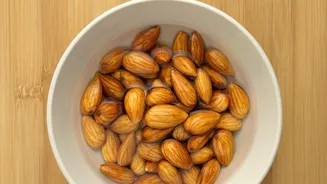
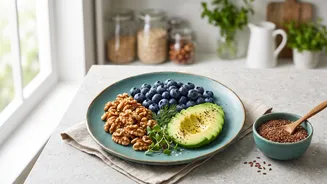
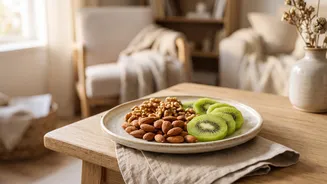
What you eat for that early dinner matters, too. The goal is a balanced meal that promotes satiety and stable blood sugar throughout the night. Focus on a combination of complex carbohydrates, lean protein, and healthy fats. Complex carbs like brown rice, rotis made from whole wheat, or sweet potatoes provide a slow, steady release of energy. Lean proteins such as dal, paneer, chicken, or fish contain the amino acid tryptophan, which is a precursor to melatonin. Healthy fats found in avocados, nuts, or olive oil help with satiety and can also support sleep. A classic Indian meal of dal, vegetables, and brown rice or a whole-wheat roti is an excellent choice. This combination provides the necessary nutrients without being overly heavy, setting the stage for a restful night.
Smart Snacking at the Celebration
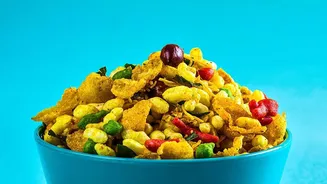
Having already eaten a proper dinner doesn't mean you can't partake in the festivities. When you arrive at the celebration, you won't be famished and prone to making poor choices. You can afford to be selective. Instead of treating the party buffet as a second dinner, think of it as an opportunity for a light, social snack. Survey the options before filling a plate. Prioritise lighter items like grilled kebabs, salads, or a small portion of a dish you truly love. Try to avoid overly greasy, spicy, or sugary foods, which can cause indigestion or blood sugar spikes that disrupt sleep. Be mindful of your liquid calories as well, especially alcohol and caffeinated drinks, as both can significantly fragment sleep later in the night. By snacking smartly, you can enjoy the social aspect of food without sabotaging your sleep.