



The Golden Rule: Space vs. Weight
Before you start compressing, it's crucial to understand one thing: vacuum bags save space, not weight. They work by removing the air trapped between fabric fibres, shrinking bulky items like sweaters and jackets into dense, flat packages. This can reduce
the volume of your clothing by 50% or more, which is a massive advantage for fitting items into a small bag. However, the weight of the clothes remains the same. The 7kg limit is your real opponent, and every item must be chosen with its weight in mind. The goal is to use vacuum bags to solve the physical space problem, allowing you to focus on a lightweight wardrobe.
Choose Your Tools: The Right Vacuum Bags
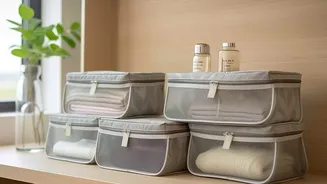
Not all compression bags are created equal. For travel, you have two main options: roll-up bags and pump-operated bags. Roll-up bags are simple; you seal the bag and then roll it tightly to force the air out through a one-way valve. They are great for travellers who want to pack extremely light without extra gadgets. Pump-operated bags, often sold with a small, USB-rechargeable pump, offer much stronger compression and are more effective for very bulky items. Regardless of the type, ensure they are made from durable materials like PA+PE to prevent leaks and can be reused for your return journey. Many travellers use them to quarantine dirty laundry on the way home, keeping clean clothes fresh.
The 7-Day Capsule Wardrobe Strategy
The key to staying under 7kg is packing a versatile capsule wardrobe. This means selecting a small collection of items that can all be mixed and matched. For a one-week trip, a good starting point is: three to four tops, two bottoms (like a pair of versatile jeans and lightweight trousers or a skirt), one dress or extra outfit, and one layering piece like a cardigan or light jacket. Stick to a complementary colour palette to ensure every item works together. Choose lightweight, quick-drying fabrics where possible. Remember, the heaviest items—your jacket, jeans, and boots or sneakers—should be worn on the flight, not packed in your bag.
How to Pack: The Compression Process
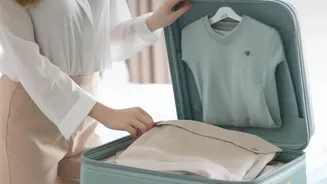
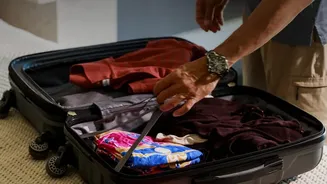
Once your wardrobe is selected, it's time to compress. Neatly fold or roll your clothes before placing them in the bag; this minimises wrinkles and allows for more even compression. Don't overfill the bag—stop at about 80% capacity to ensure the seal works perfectly. Before sealing, run your fingers along the zipper multiple times to ensure it's completely closed. Then, use your pump or roll the bag to remove all the air until it’s flat and compact. Arrange these compressed, brick-like packages at the bottom of your cabin bag, creating a solid base. Pack your shoes (stuffed with socks and underwear), toiletries, and electronics in the remaining gaps.
Navigating the Airport: Rules and Reality
Vacuum-sealed bags are generally allowed in both carry-on and checked luggage. However, airport security (like the TSA) reserves the right to inspect any item. If they cannot clearly identify the contents of a dense, compressed bag on the X-ray scanner, they may ask you to open it. This is why it's wise to keep your travel pump in an easily accessible part of your carry-on, so you can quickly re-compress your clothes after an inspection. Finally, the most important step: weigh your bag before you leave for the airport. Because vacuum bags make it so easy to fit more in, you can accidentally exceed the 7kg limit without even realising it.