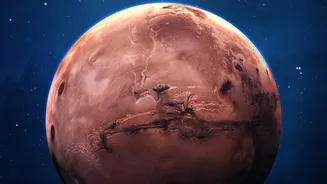




By the early 2030s, a tiny piece of Mars is scheduled to land on Earth. This historic event marks the culmination of a breathtakingly complex mission to retrieve the first pristine samples from another planet for study in labs back home.
The Martian Treasure Hunt
The first phase
of this interplanetary treasure hunt is already underway. NASA's Perseverance rover, which landed in Mars's Jezero Crater in February 2021, has been diligently collecting scientifically valuable samples. The rover is exploring a region believed to have once been a river delta, making it a prime location to find signs of ancient microbial life. Perseverance is equipped with a drill to extract rock cores, which it seals in ultra-clean titanium tubes. As of late 2026, the rover has collected a diverse portfolio of igneous and sedimentary rocks, regolith (soil), and even a sample of the Martian atmosphere. To safeguard this precious collection, the rover has created a backup depot on the Martian surface, carefully placing ten of the tubes at a location nicknamed 'Three Forks' in case it cannot deliver its primary cache directly.
An Audacious, Multi-Part Relay Race
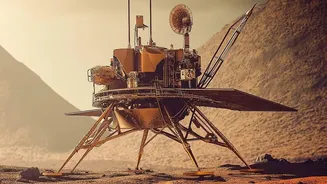
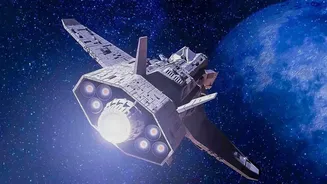
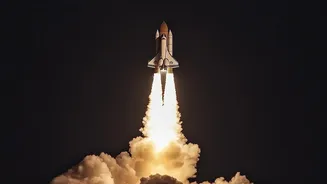
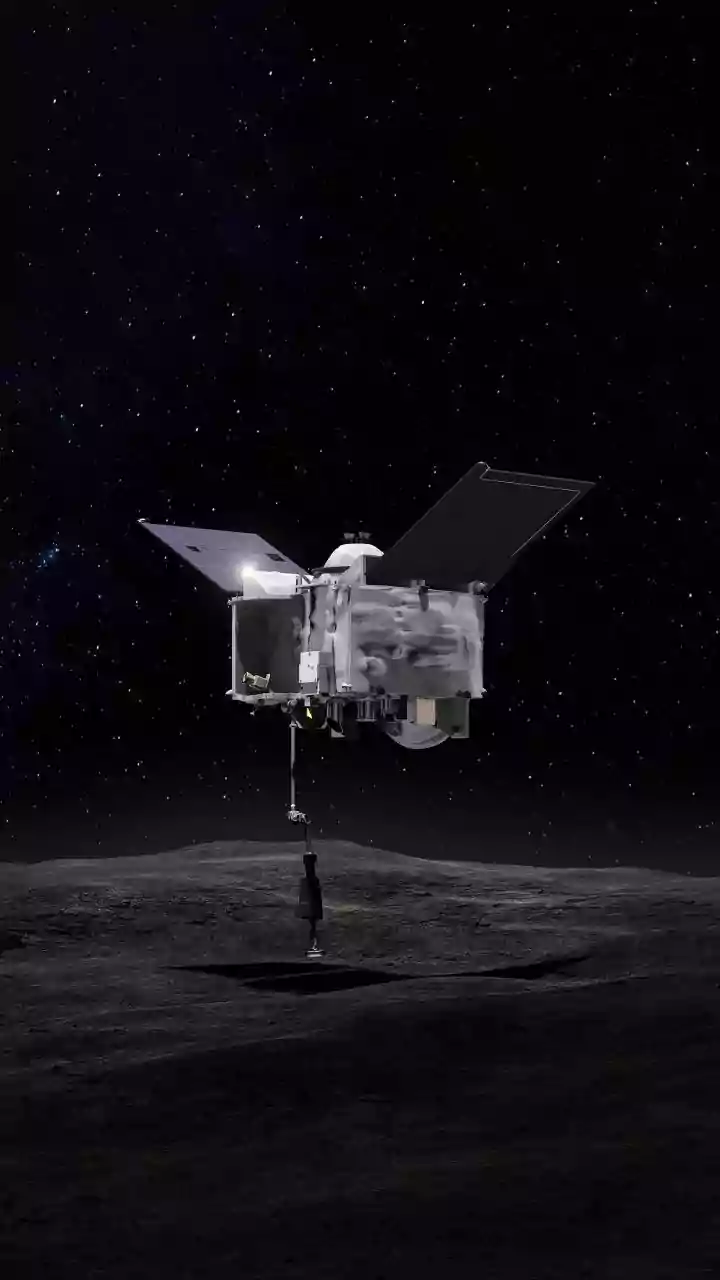
Getting the samples from Mars to Earth is an engineering challenge of unprecedented scale, requiring a multi-mission relay. The plan, a joint effort between NASA and the European Space Agency (ESA), involves several new spacecraft. First, a NASA-developed Sample Retrieval Lander will touch down near Perseverance. This lander will carry a small rocket, the Mars Ascent Vehicle (MAV). Once the samples are transferred from Perseverance to a container on the MAV, the rocket will make history by performing the first-ever launch from the surface of another planet. It will carry the basketball-sized sample container into orbit around Mars, effectively tossing it into space for the next stage of the journey.
The Long Journey Home
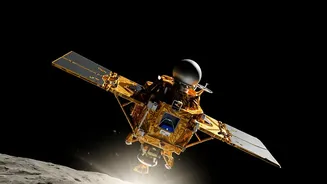
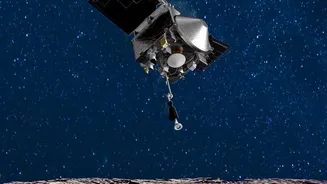
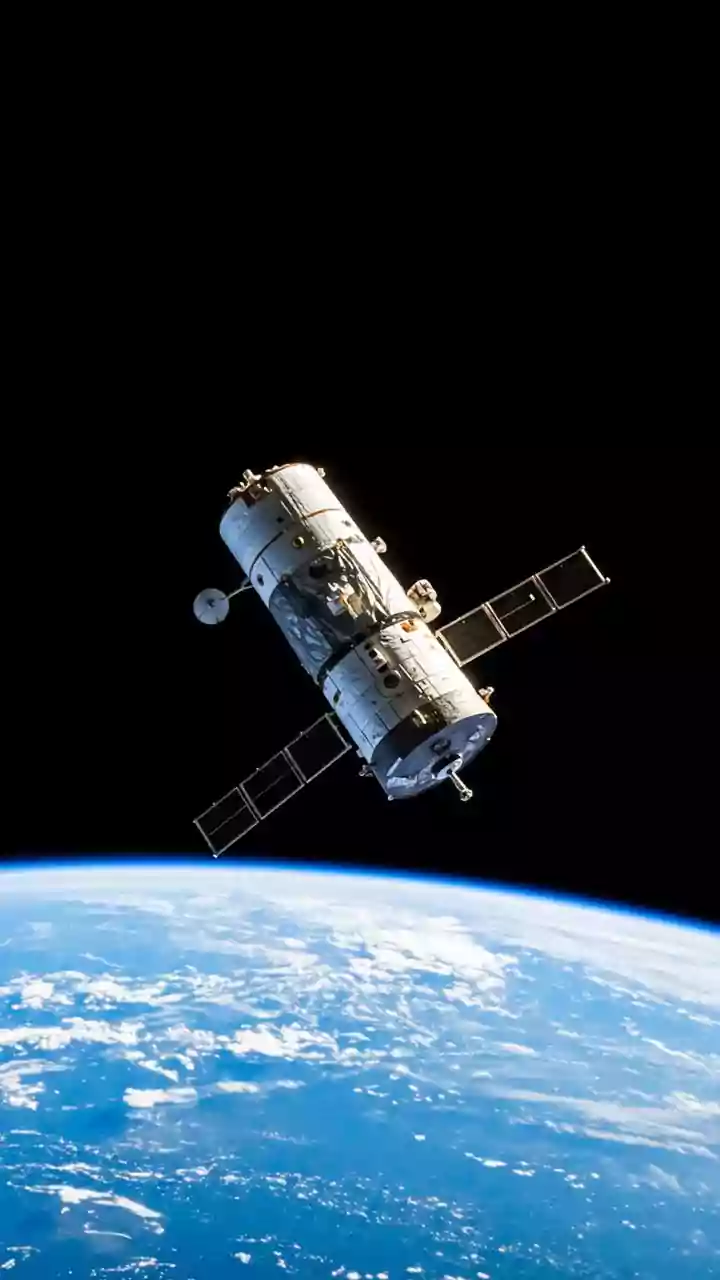
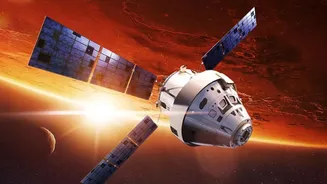
The third major component is the Earth Return Orbiter (ERO), developed by ESA. Its mission is to rendezvous with and capture the orbiting sample container. This will be the first time a spacecraft has captured an object in orbit around another world for a round trip. Once the samples are securely aboard, the ERO will seal them in a robust biocontainment system to ensure no unsterilized Martian material reaches Earth. The orbiter will then fire its engines for the long voyage back, ultimately releasing a small Earth Entry System to bring the precious cargo safely down to a designated handling facility. While the original NASA-ESA plan targeted a return in the early 2030s, budget challenges and the sheer complexity of the mission have led to reviews and potential timeline shifts, with some projections pushing the return to later in the decade. Meanwhile, other nations are also in the race, with China's Tianwen-3 mission also targeting a 2031 sample return.
Why Go Through All This Trouble?
While rovers like Perseverance are equipped with impressive onboard labs, the most sophisticated scientific instruments are far too large and power_hungry to send to Mars. Bringing samples to Earth will allow scientists worldwide to analyze them with state_of_the_art equipment. The primary goal is astrobiological: to search for definitive signs of past life on Mars. Beyond that, these samples will revolutionize our understanding of Martian geology, its climate history, and how rocky planets like our own form and evolve. They will also provide critical information for planning future human missions, such as assessing the potential hazards of Martian dust. The returned samples would be carefully curated, with some preserved for future generations to study with technologies not yet invented, much like the Apollo Moon rocks are still yielding new discoveries today.