


In the world of yoga, the Seated Forward Bend, or Paschimottanasana, is a fundamental posture known for its calming effects and deep stretch. But the goal isn't to force your head to your knees; it's about finding a controlled, comfortable depth.
Understanding Paschimottanasana
Paschimottanasana
translates from Sanskrit to 'Intense Stretch of the West', with 'west' referring to the entire back side of the body. This foundational pose is a seated forward fold that targets everything from your calves and hamstrings up to your spine. Rather than being a contest of flexibility, it is a practice of surrender and turning inward. Its primary function is to lengthen the spine, stretch the back of the legs, and calm the nervous system.
The Real Benefits of a Mindful Bend
When practiced with control, Paschimottanasana offers a wealth of benefits beyond a simple hamstring stretch. The gentle compression on the abdomen can stimulate digestive organs like the liver and kidneys. The pose is celebrated for its calming effect on the mind, helping to relieve mild stress and anxiety. By focusing on a controlled forward hinge from the hips, you also encourage spinal flexibility and can help ease tension in the lower back, which is often caused by prolonged sitting.
A Step-by-Step Guide to the Pose
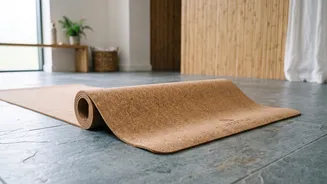
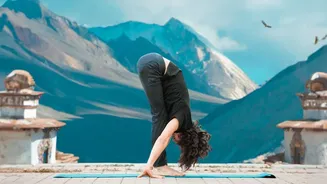
To begin, sit on your mat with your legs extended straight in front of you in Staff Pose (Dandasana). Ensure you are sitting evenly on your sitting bones; you can even manually move the flesh away from underneath them. Inhale and lengthen your spine, reaching your arms overhead to create space in your torso. As you exhale, begin to hinge forward from your hips, not your waist. Imagine your torso lengthening to rest on your thighs, rather than trying to touch your nose to your knees. Let your hands rest wherever they comfortably land—on your shins, ankles, or feet. With each inhale, try to lengthen your spine a little more; with each exhale, you might find you can release deeper into the fold.
Finding Your Comfortable Depth
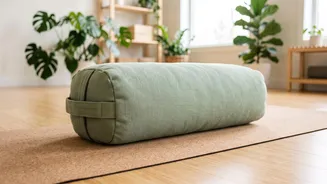
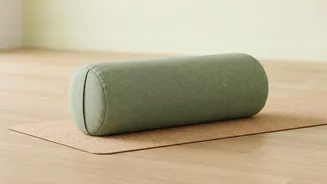
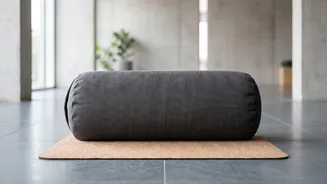
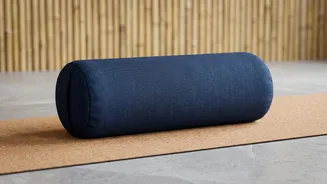
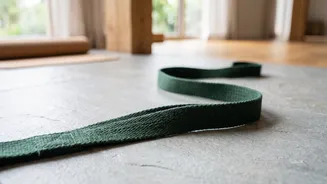
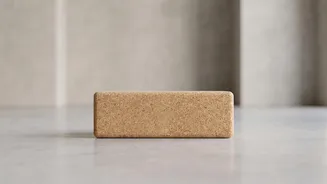
The key to a beneficial Paschimottanasana is prioritizing a long spine over a deep fold. If you feel your lower back rounding significantly, it’s a sign to ease up. This is where props become your best friend. Sitting on the edge of a folded blanket or a block can tilt your pelvis forward, making the hip hinge more accessible. If your hamstrings are tight, generously bend your knees. There is no shame in this modification; it allows your spine to remain long and your lower back to stay protected. You can also use a yoga strap looped around the balls of your feet, holding it to gently guide your torso forward without yanking or forcing.
Common Mistakes to Avoid
One of the most frequent errors is rounding the spine too early in an effort to go deeper. This puts unnecessary strain on the lower back and negates the hamstring stretch. Another common mistake is pulling aggressively with the arms to force the body forward. This creates tension in the shoulders and neck and can lead to injury. Also, be mindful not to lock your knees; keeping a micro-bend protects the joints. Finally, remember to breathe. Holding your breath causes muscles to tense, which is the opposite of the release you are aiming for.