






The desire for international travel is surging, yet a significant hurdle remains, not at the destination, but at the starting line. A landmark 2026 study by the International Air Transport Association (IATA) puts a number on this friction.
A Growing Barrier to Travel
According to
the IATA's 2026 Global Passenger Survey, a staggering 43% of potential travelers were discouraged from visiting a destination due to its immigration requirements. This marks a significant increase from the 33% who felt the same way in 2025, signaling a growing disconnect between passenger expectations and the reality of border controls. The survey, which gathered responses from over 10,000 people across more than 200 countries, highlights that these administrative hurdles are no longer a minor inconvenience but a major factor influencing travel decisions and, consequently, the economic recovery of the tourism sector.
Complexity, Not Cost, Is the Culprit
Interestingly, the primary deterrent isn't the price of a visa but the sheer complexity of the process. Of the travelers who were put off by entry requirements, a majority—53%—cited the complicated procedures as their main reason for abandoning their travel plans. This was a far greater concern than cost or privacy, which were each cited by only 17% of this group. This finding suggests that travelers are willing to pay for entry but are increasingly frustrated by confusing paperwork, lengthy application timelines, and a lack of clear, accessible information. The data indicates a clear demand for simplified, streamlined, and digital-first solutions.
A Global Issue with Regional Differences
While the issue is global, its impact varies by region. Travelers from Africa were the most likely to be discouraged by entry rules, with 52% reporting being deterred. They were followed closely by those in the Asia-Pacific region at 49%. In contrast, North American travelers were the least affected, though still at a significant 35%. These regional disparities underscore how varying levels of visa accessibility and procedural complexity can create an uneven playing field for global mobility and tourism-dependent economies. Destinations with cumbersome visa policies risk losing out on valuable tourism revenue to more accessible neighbours.
Passengers Are Ready for a Digital Shift
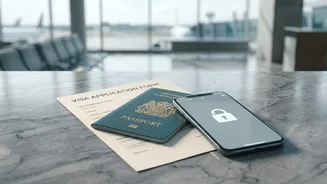
The frustration with current systems is coupled with a strong appetite for technological solutions. The same IATA survey found that passengers are overwhelmingly in favour of digitization. A full 60% of travelers prefer to apply for visas online, compared to just 25% who favour the traditional in person process at a consulate. Furthermore, 86% of passengers stated they would willingly share their immigration information in advance to speed up the process at the airport. There is also growing interest in digital passports and biometric identification, with 58% of travelers having used biometrics in the past year and 87% reporting satisfaction with the experience. This shows that the public is not just ready for, but actively demanding, a more modern approach to border crossing.
The Industry's Call for Change
In response to these findings, IATA is calling on governments worldwide to simplify their entry protocols. Nick Careen, IATA's Senior Vice President for Operations, Safety and Security, emphasized the need to bridge the gap between passenger expectations and government processes. The association is advocating for the wider adoption of secure digital travel credentials, the elimination of duplicate document checks, and a move toward user friendly online visa and authorization systems. The core message is that modernizing these systems is not just about convenience; it's a critical step to unlock the full potential of the global travel and tourism industry, making international journeys smoother and more secure for everyone involved.