






Engineered for the Tatkal Rush
The most significant upgrade is not what you see, but what you don't: the system crashing during peak hours. The new portal is built on a vastly more powerful backend. It is designed to handle over 1.5 lakh ticket bookings per minute, a nearly five-fold
increase from the previous capacity of around 32,000. Furthermore, the system can now manage over 40 lakh enquiries per minute, up from just 4 lakh previously. For anyone who has stared at a frozen screen during the morning Tatkal booking window, this upgrade promises to make the experience faster and far more reliable, reducing the odds of missing out on a ticket due to technical glitches.
A Farewell to Digital Frustration
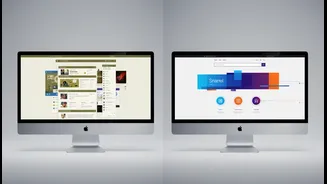
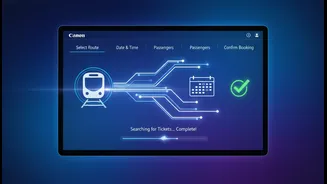
The redesign directly tackles the small annoyances that defined the old booking experience. The endless, often unreadable, CAPTCHA verifications that plagued users are being drastically reduced, and in some cases, eliminated for routine bookings. The new interface is cleaner and more intuitive, doing away with distracting pop-ups and flashing graphics that cluttered the screen. The entire booking process has been streamlined, reducing the number of clicks needed to get from search to payment. Users can also save passenger details, making repeat bookings a much quicker affair. It’s a clear move away from a system that felt like an obstacle course toward one that guides the user smoothly.
Smarter Features for Smarter Travel
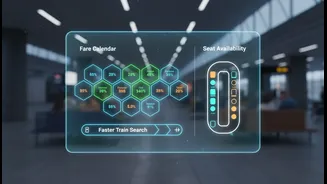
Beyond speed, the portal introduces several intelligent features that reflect how people book travel today. A new 'Fare Calendar' allows passengers with flexible dates to easily compare prices and find the cheapest options without conducting multiple searches. Perhaps the most celebrated new tool is the unified seat availability view. Instead of having to check Sleeper, 3AC, and 2AC classes one by one, users can now see the availability across all classes on a single screen, making it much easier to make an informed choice. Additionally, the system will now allow passengers to input their seat preferences during the booking process.
An Inclusive and Integrated Platform
Recognising India's diversity, the revamped website will offer support for multiple Indian languages, making it truly accessible to a wider population. The modernisation also aims to consolidate various services. Special booking facilities for Divyangjan, students, and patients, which previously required separate or cumbersome processes, are being integrated into the main platform for a more unified experience. This is part of a broader vision to move beyond simple ticketing and evolve into a comprehensive travel service hub, powered by AI-driven tools like the 'Ask Disha' chatbot that can handle queries in English and Hindi.
Inspired by the Everyday User
Interestingly, the catalyst for this massive overhaul wasn't a boardroom decision alone, but feedback from the ground up. The initiative gained significant momentum after students at Malaviya National Institute of Technology (MNIT) in Jaipur directly shared their frustrations about the portal with the Union Railway Minister. In a responsive move, the ministry not only promised a revamp by July 15 but also involved the students in the process, demonstrating a beta version of the new site to them for feedback before the official launch. This direct line from user complaint to tangible improvement signals a welcome shift in how public digital infrastructure is being developed.