




The Comeback Kings: Meet the Millets
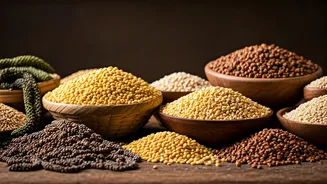
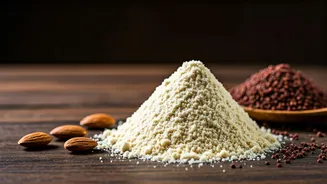
The trend isn't some new-age, imported fad from the West. It’s home-grown, ancient, and probably sitting in your grandmother's pantry. We're talking about millets. Yes, those humble grains like jowar (sorghum), bajra (pearl millet), and ragi (finger millet) that
have been a part of Indian diets for over 5,000 years are now at the center of a massive modern revival. Once dismissed as 'coarse grains' or 'food for the poor', millets are being rebranded for the 21st century as 'superfoods' and 'nutri-cereals'. This shift isn't just about nostalgia; it’s a conscious rediscovery of a food group that holds powerful answers to some of our most pressing modern challenges, from personal health to planetary well-being.
Why Now? The Perfect Storm
So, why are millets suddenly the talk of the town? A few key factors have created a perfect storm for their resurgence. Firstly, there's the climate crisis. Millets are what scientists call 'climate-smart' crops. They require significantly less water than rice and wheat, can grow in arid, less fertile soil, and are naturally more resistant to pests and diseases. For a water-stressed country like India, this makes them a crop of the future. Secondly, a major global and national push has put them in the spotlight. The United Nations, at India's behest, declared 2023 the 'International Year of Millets', bringing worldwide attention to their benefits. The Indian government has also been actively promoting them to boost farmer incomes and improve national food security. This combined push from the top has created a ripple effect, encouraging farmers to plant them and businesses to innovate with them.
Good for You, Good for the Planet
The case for millets is a compelling win-win. From a health perspective, they are a nutritional powerhouse. Naturally gluten-free, they are an excellent option for those with celiac disease or gluten sensitivity. They are packed with protein, fibre, vitamins, and minerals. Their low glycemic index helps in managing blood sugar levels, making them ideal for diabetics. The high fibre content aids digestion and promotes a feeling of fullness, which can help with weight management. Environmentally, the benefits are just as impressive. A single rice plant needs almost 2.5 times more water than a millet plant. By shifting some of our consumption from water-guzzling staples to these hardy grains, we can collectively reduce the strain on our precious water resources and promote a more sustainable agricultural system that doesn't rely heavily on chemical fertilisers and pesticides.
Beyond Roti: The Modern Millet Makeover
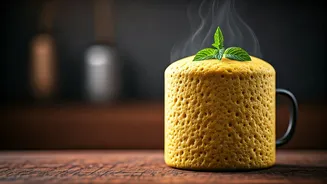
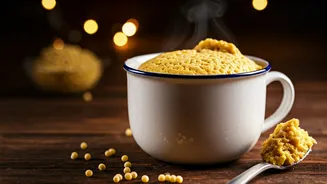
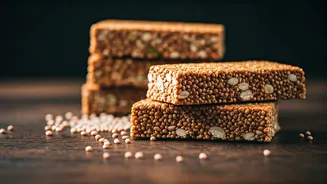
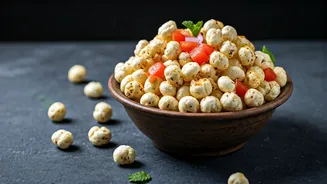
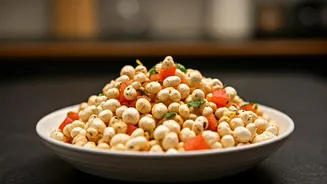
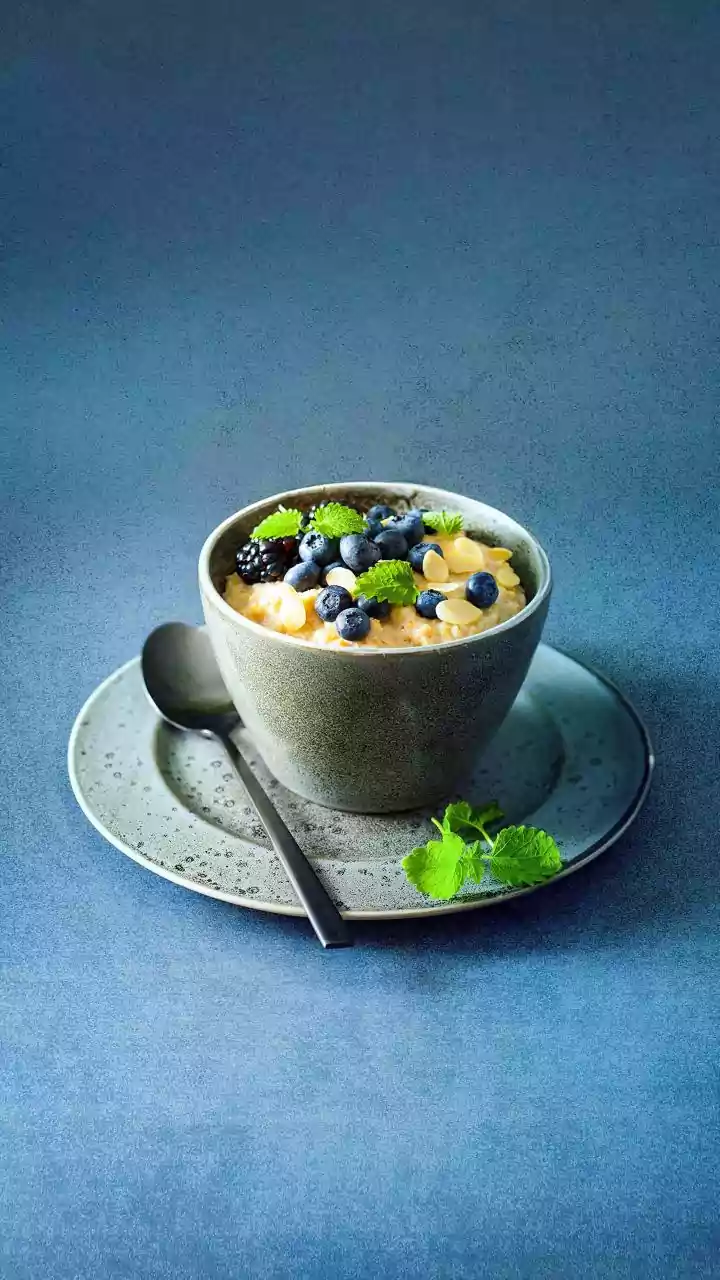
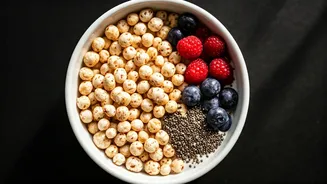
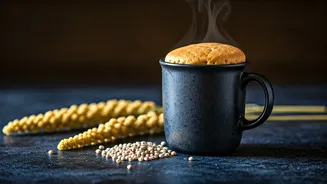
The most visible part of this trend is how millets are breaking out of their traditional confines. While ragi mudde, jowar roti, and bajra khichdi remain timeless classics, the new-age millet movement is all about innovation. Walk into any urban supermarket, and you'll find aisles stocked with millet-based products: ragi breakfast flakes, jowar puffs, foxtail millet pasta, and even cookies and cakes made from millet flour. Trendy cafes and health-conscious restaurants are incorporating them into salads, energy bowls, and risottos. This modern makeover is crucial. It’s making millets accessible, convenient, and appealing to a younger, urban generation that may not have the time or inclination to prepare them in traditional ways. By presenting them in familiar, easy-to-use formats, the food industry is ensuring that this 'green trend' becomes a lasting part of our daily lives.