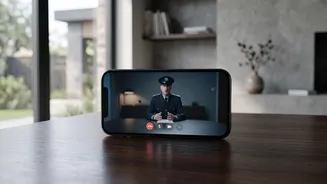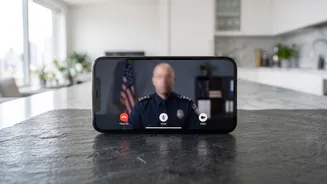







A call from an unknown number. A serious voice claims to be a police officer. You’re accused of a crime and told you are under 'digital arrest.' This sophisticated scam is on the rise, using fear to trick people into sending money.
Anatomy of the 'Digital Arrest' Scam
The 'digital arrest'
scam is a frighteningly effective form of cyber fraud where criminals impersonate law enforcement officials to extort money. It typically starts with a call from someone claiming to be from the police, CBI, or another government agency. The fraudster alleges that the victim's Aadhaar number, bank account, or phone number has been linked to a serious crime like money laundering or drug trafficking. To make the threat feel real, they often use spoofed numbers, forged documents, and even wear uniforms during video calls set against a backdrop that looks like a police station. The core of the scam is creating intense panic and urgency, insisting the victim must not disconnect the call or speak to anyone else. They are told they are under 'digital arrest' and confined to their home until a 'verification' or 'settlement' payment is made.
The Psychology of Fear and Authority
These scams work by exploiting basic human psychology. The impersonation of authority figures like police officers immediately triggers fear and a desire to comply. Scammers are masters of psychological manipulation, creating a sense of crisis that prevents rational thinking. By isolating victims and forcing them to stay on a video call, sometimes for hours, they control the narrative and prevent the person from seeking outside advice from family or actual authorities. The 'evidence' they present, such as fake ID cards or arrest warrants, is designed to overwhelm the victim's judgment. This high-pressure environment makes people act against their own best interests, sending money out of a desperate belief that it is the only way to clear their name and avoid jail time.
A 'Digital Arrest' Is Not Real
Cybersecurity experts and law enforcement agencies are unequivocal: there is no legal concept of a 'digital arrest' in India. Police, the CBI, the Enforcement Directorate, and judges do not arrest people over phone or video calls on platforms like Skype or WhatsApp. Furthermore, no legitimate government agency will ever demand payment via wire transfer, gift cards, or cryptocurrency to resolve a legal matter. The very request for money to avoid prosecution is the biggest red flag. The entire premise is a fabrication designed for extortion. The Indian Cyber Crime Coordination Centre (I4C) has repeatedly issued advisories clarifying that these calls are fraudulent and should be disconnected immediately.
Red Flags and How to Respond
Protecting yourself starts with recognizing the warning signs. Be deeply suspicious of any unsolicited call from someone claiming to be a law enforcement official who threatens you. Red flags include demands for immediate payment, instructions to stay on the line and not talk to anyone, and requests for sensitive information like bank details or OTPs. If you receive such a call, the advice from experts is simple: hang up immediately. Do not engage with the scammer or argue with them. Do not share any personal information or click on any links they send. The caller may have some of your personal details, but do not let that convince you they are legitimate; this information is often obtained from data breaches.
What to Do If You Are Targeted
If you are targeted by this scam, the first step is to disconnect the call. Then, take a moment to calm yourself and verify any claims independently. You can contact the police department or agency the caller claimed to be from using an official number found on their website, not a number the caller provides. It is crucial to report the incident. You can file a complaint on the National Cyber Crime Reporting Portal at cybercrime.gov.in or call the toll-free helpline number 1930. If you have already transferred money, notify your bank immediately to try and freeze the transaction. Preserving any evidence, like the phone number and any messages, can also help in the investigation. Spreading awareness among friends and family is another powerful way to prevent others from falling victim.