





From Niche to Necessity
Not long ago, 'healthy snacking' was a niche category for the ultra-health-conscious. Today, it’s a mainstream movement. Spurred by rising disposable incomes and a post-pandemic surge in health awareness, the Indian healthy snacking market is growing
at a staggering pace of nearly 10% annually, far outpacing the global average. Consumers are no longer just avoiding fried foods; they are actively seeking out snacks that offer functional benefits like high protein, digestive health, and clean ingredients. This shift has turned the snack category into one of the fastest-growing and most competitive spaces in Indian FMCG.
The All-Important Trust Factor
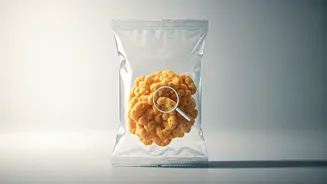
As the market boomed, so did consumer skepticism. Shoppers are now looking past splashy marketing and celebrity endorsements. They are reading the fine print. The new benchmark for success is trust, built on a foundation of transparency. This has given rise to the 'clean label' trend, where brands win by using simple, recognisable ingredients and being honest about what's inside the packet. According to one report, ingredient transparency now matters more to consumers than celebrity recommendations. Brands that tell an honest story, whether it's about sourcing directly from farmers or showcasing their manufacturing process, are building deeper loyalty. For many new-age brands, the founder's own story and credibility have become powerful marketing tools.
The Convenience Imperative: Snacking in 10 Minutes
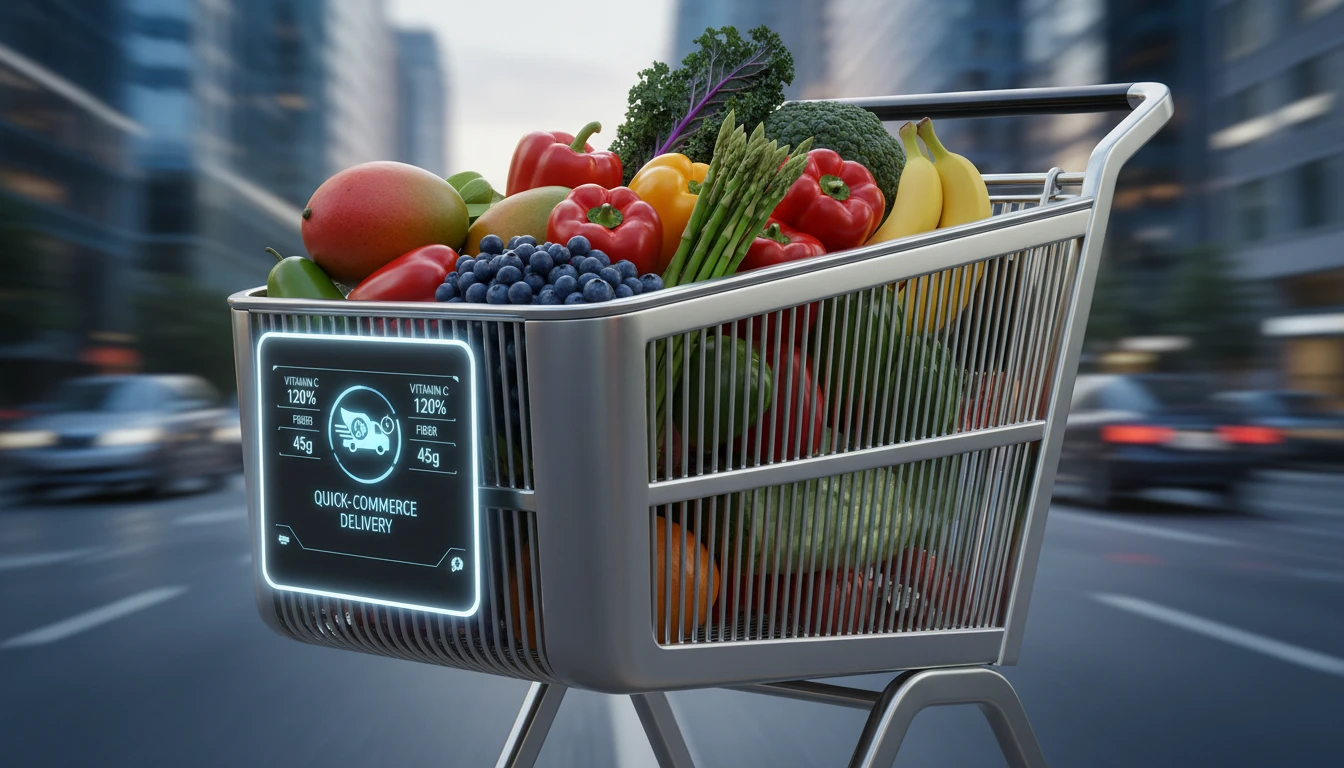
For India's increasingly urban and time-poor population, convenience is king. A healthy snack is only useful if it’s readily available. This is where the second front of the snacking war is being fought: distribution. The rise of quick commerce platforms like Blinkit, Zepto, and Swiggy Instamart has been a game-changer. These 10-minute delivery apps have become the primary channel for snack discovery and impulse purchases, accounting for a significant chunk of sales for many direct-to-consumer (D2C) brands. Consumers can now satisfy a sudden craving for a protein bar or a pack of roasted makhana almost instantly, turning healthy snacking from a planned purchase into an on-demand habit.
New-Age Brands Setting the Pace
This new landscape has been shaped by a wave of agile D2C startups. Brands like The Whole Truth have built a loyal following based on radical transparency, listing every single ingredient in plain language. Farmley has found success by branding unorganised categories like dry fruits and makhana, emphasizing its direct-from-source model to ensure purity. Others, like Yoga Bar, have captured the market for functional foods like protein bars. These companies understand that modern consumers are buying into a philosophy, not just a product. They leverage social media for education, use founder-led storytelling to build credibility, and master quick commerce to ensure their products are always within reach.
How Legacy Giants Are Responding
The legacy FMCG giants have not been sitting idle. Faced with fierce competition from nimble startups, companies like Hindustan Unilever, ITC, and Britannia are actively adapting their strategies. They are launching their own healthier product lines, such as HUL's expansion of the Horlicks brand into ready-to-drink milkshakes targeting convenient nutrition. Some are also acquiring successful D2C brands to quickly gain a foothold in the healthy segment. The playbook is changing for everyone; product quality, authentic brand stories, and a robust presence on quick commerce are now essential to compete, regardless of a company's size or history.