







The Twin Engines of the AI Revolution
First, let's de-jargonize. Generative AI (GenAI) refers to artificial intelligence that can create new, original content—from writing text and code to designing images. MLOps, or Machine Learning Operations, is the discipline of building and maintaining
machine learning models in production reliably and efficiently. Think of GenAI as the creative artist and MLOps as the skilled engineer who builds the studio, ensuring the artist's work can be displayed to the world at scale. Together, they are driving a fundamental shift in how companies operate, moving from basic automation to advanced, AI-driven innovation.
The Numbers Behind the Boom
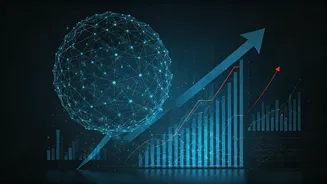
The demand for AI professionals in India is surging, with some projections estimating the need could touch one million by 2026. In a recent 90-day period, over 3.5 lakh new AI-related positions opened up, highlighting the rapid pace of hiring. This isn't just a general trend; roles for GenAI and MLOps engineers are specifically exploding, with demand expected to grow between 60% and 80% in the 2025-2026 period. This intense demand has led to a significant talent gap, with some estimates suggesting that for every 10 open GenAI roles, only one qualified engineer is available. This scarcity is directly impacting salaries, creating a highly competitive market for skilled individuals.
Skills, Salaries, and In-Demand Roles
The salary premiums for these roles are substantial. GenAI engineers often earn a 25-40% premium over their generalist ML counterparts. For freshers, starting salaries in GenAI can range from ₹8-12 LPA, significantly higher than many traditional IT roles. Mid-level professionals (3-6 years of experience) can command salaries between ₹18-35 LPA, while senior experts can earn upwards of ₹35-70 LPA, with some specialists at top firms exceeding this. Key roles in high demand include Generative AI Engineer, MLOps Engineer, AI Platform Architect, and Large Language Model (LLM) Developer. The most sought-after skills include proficiency in Python, machine learning frameworks like TensorFlow and PyTorch, cloud AI services (AWS, Azure, GCP), and experience with LLMOps tools like LangChain and vector databases.
Why India Is at the Center of This Shift
Several factors make India a hotspot for this AI talent boom. The country's vast and trainable workforce is rapidly upskilling, with NASSCOM reporting that India ranks first globally in AI skill penetration. A major driver of this demand is the expansion of Global Capability Centres (GCCs) of multinational corporations. These GCCs are transforming from cost-focused back offices into strategic innovation hubs, tackling high-value work in AI research and deployment. Instead of hiring for volume, these centers are now focused on value, seeking specialized talent that can drive global AI initiatives from India. This 'capability arbitrage' model positions India not just as a service provider, but as a nerve center for global tech innovation.
The Road Ahead: Opportunity and Challenges
While the boom presents immense opportunities, it also brings challenges. The primary hurdle is the significant skills gap, with employers struggling to find candidates with the right applied experience. As a result, companies are shifting towards skills-based hiring, where demonstrable project portfolios and certifications often carry more weight than traditional degrees alone. To bridge this gap, major IT services firms are heavily investing in reskilling their existing workforce, with some aiming to fill up to 40% of new AI roles internally. This trend underscores a critical reality: continuous learning and upskilling are no longer optional but essential for anyone looking to build a long-term career in India's evolving tech landscape.