




The Birth of a Phenomenon
It all began in 2009 when the Norwegian Broadcasting Corporation (NRK) did something radical. To celebrate the 100th anniversary of the Bergen Line railway, they aired the entire seven-hour train journey from Bergen to Oslo, uncut and in real-time. Titled
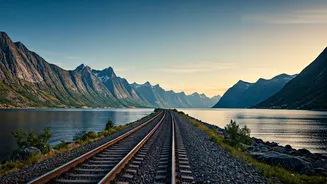
'Bergensbanen – minutt for minutt' (minute by minute), the broadcast simply showed the view from the front of the train as it crossed southern Norway. Viewers were not bored; they were mesmerized. Almost a quarter of Norway's population tuned in to watch the landscapes unfold, from lush valleys to the stark Hardangervidda mountain plateau. This unexpected success gave birth to a new genre: 'Sakte-TV,' or Slow TV.
A Journey Across the Roof of Norway
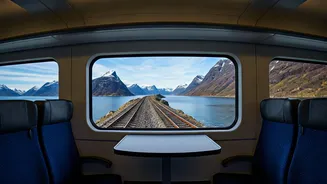
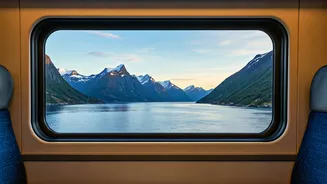
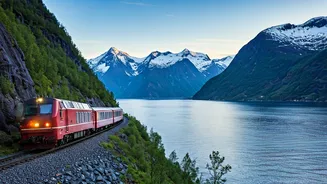
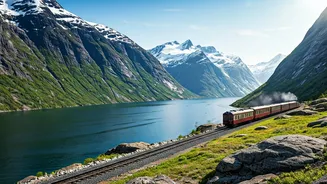
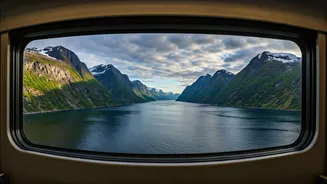
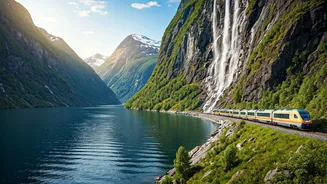
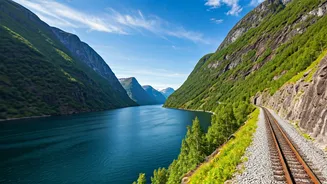
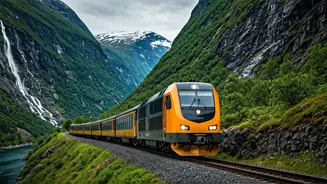
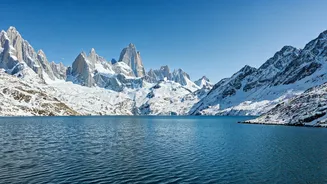
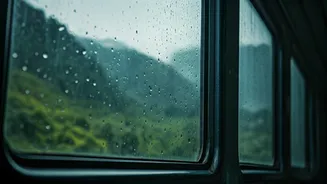
The Bergen Line is the star of that first Slow TV broadcast and remains one of the world's most spectacular rail journeys. The trip connects Norway's two largest cities, Oslo and Bergen, traversing dense forests, serene lakes, and Northern Europe's highest mountain plateau. The seven-hour ride is a masterclass in changing scenery. Cameras capture the train plunging into dark tunnels before emerging into breathtaking vistas of snow-dusted peaks and remote villages. It’s more than just a commute; it is a moving portrait of the country's rugged interior, a testament to the engineering required to conquer its challenging terrain. Watching it unfold in real-time allows for a deep appreciation of the distance covered and the subtle shifts in light and landscape.
The World's Most Beautiful Sea Voyage
Following the train's success, NRK took to the seas in 2011 with 'Hurtigruten – minutt for minutt'. They broadcast the entire 134-hour (five-and-a-half-day) journey of a Hurtigruten coastal ship from Bergen in the south to Kirkenes, high above the Arctic Circle. The Hurtigruten has long been a lifeline for coastal communities, acting as a ferry, mail carrier, and cargo ship. The live broadcast turned it into a national celebration. International audiences streamed it online as cameras captured the ship navigating stunning fjords, passing remote fishing villages, and sailing under the midnight sun. It holds the record for the longest continuous live TV broadcast and showcased the immense scale and beauty of Norway's jagged coastline.
The Philosophy of Watching Nothing Happen
The appeal of Slow TV lies in its radical simplicity. In an age of constant stimulation and rapid-fire editing, these programs offer a meditative and immersive experience. There is no plot, no artificial drama, and no script. The focus is on the journey itself, encouraging a state of mindfulness and presence. For slow travel enthusiasts, it’s a perfect match. The genre embraces the journey over the destination, finding beauty in the mundane and allowing viewers to savor the passage of time. It’s an antidote to our fast-paced lives, providing a window into a more tranquil and observant way of experiencing the world.
How to Start Your Journey
The best part is that these epic Norwegian journeys are readily accessible online. While availability on platforms like Netflix can change by region, many of the original, full-length Slow TV broadcasts can be found on NRK's official website, often available to international viewers. YouTube also hosts many of these programs, from the complete seven-hour Bergen Line train ride to condensed versions of the 134-hour Hurtigruten voyage. Searching for 'Bergensbanen minutt for minutt' or 'Hurtigruten minute by minute' is the perfect starting point. Just be prepared for the tunnels on the train journey; the screen will go completely black, but patience is part of the experience.