
The Reign of the Lithium-Ion Battery
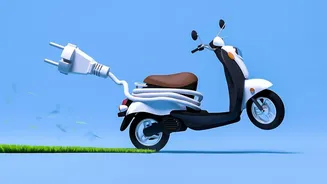
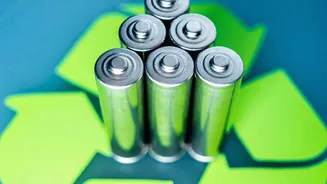
For the last three decades, lithium-ion (Li-ion) batteries have been the undisputed king of portable power. From your smartphone to the electric scooter you've been eyeing, they are everywhere. Their success comes down to one key factor: high energy density.
This means they can pack a lot of power into a relatively small and lightweight package, making them ideal for vehicles where space and weight are critical for performance and range. However, this dominance comes at a cost. Lithium is a relatively rare resource, often called 'white gold,' and its extraction is concentrated in a few countries. This creates volatile supply chains and high prices, which are directly passed on to the consumer, making up a significant chunk of an EV's final cost.
Enter Sodium-Ion: The Affordable Challenger
Sodium-ion (Na-ion) batteries work on a very similar principle to their lithium-based cousins, shuttling ions between a cathode and an anode to store and release energy. The game-changing difference is the core element: sodium. Sodium is the sixth most abundant element on Earth, easily sourced from sea water and salt deposits. India itself has vast sodium resources, which could drastically reduce our reliance on imported battery materials. This incredible abundance is the main driver behind the promise of lower costs. Because the raw material is significantly cheaper and more widely available, the production cost of a sodium-ion battery is estimated to be around 30% lower than a comparable Li-ion battery.
Performance: Is It a Fair Trade?
If sodium-ion is so much cheaper, what's the catch? Historically, the biggest drawback has been lower energy density. This means a Na-ion battery needs to be larger and heavier to provide the same range as a Li-ion one. However, this gap is rapidly closing. Major manufacturers like CATL have developed Na-ion batteries with energy densities approaching that of the popular Lithium Iron Phosphate (LFP) batteries used in many entry-level EVs. On the plus side, Na-ion batteries offer significant advantages perfectly suited for Indian conditions. They demonstrate better performance and stability across a wider range of temperatures, especially in extreme heat, reducing the risk of thermal runaway or fire. They also show potential for faster charging and a longer overall lifespan in some chemistries.
The Impact on Electric Scooter Prices
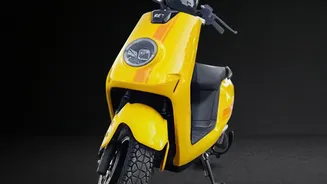
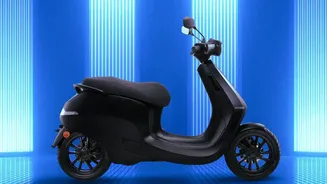
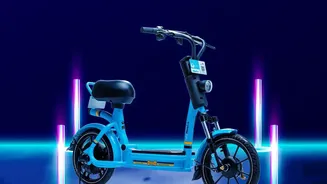
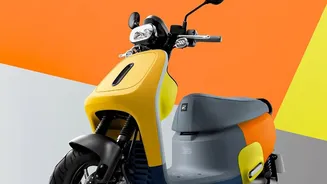
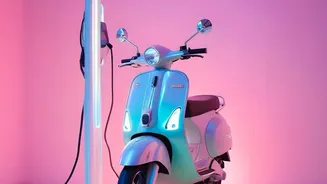
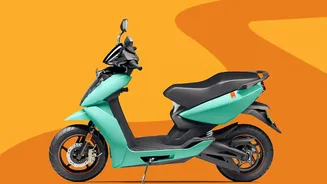
This is where the technology moves from the lab to your wallet. Electric two-wheelers are a prime segment for Na-ion adoption because the energy density trade-off is less critical than in a long-range electric car. For a daily commute of 50-70 km, a slightly heavier battery is a small price to pay for a significantly lower upfront cost. As Na-ion technology reaches commercial scale, which reports suggest is happening now in 2026, the cost of battery cells is expected to undercut even the cheapest LFP lithium cells. This could translate directly into electric scooters that are tens of thousands of rupees cheaper, breaking a major psychological barrier for millions of potential buyers.
The Road Ahead for India
The transition is already beginning. Several Indian companies, including Reliance New Energy and KPIT Technologies, are actively developing commercially viable sodium-ion technology. Nashik-based manufacturer Jitendra New EV Tech has even announced plans to launch an electric two-wheeler powered by a sodium-ion battery by early 2026. This shift not only promises more affordable EVs but also aligns with national goals of energy self-reliance under the Atmanirbhar Bharat mission. By developing a domestic supply chain for Na-ion batteries, India can insulate itself from global lithium price shocks and build a more sustainable and secure energy future.