

The Iron Challenge in Our Diets
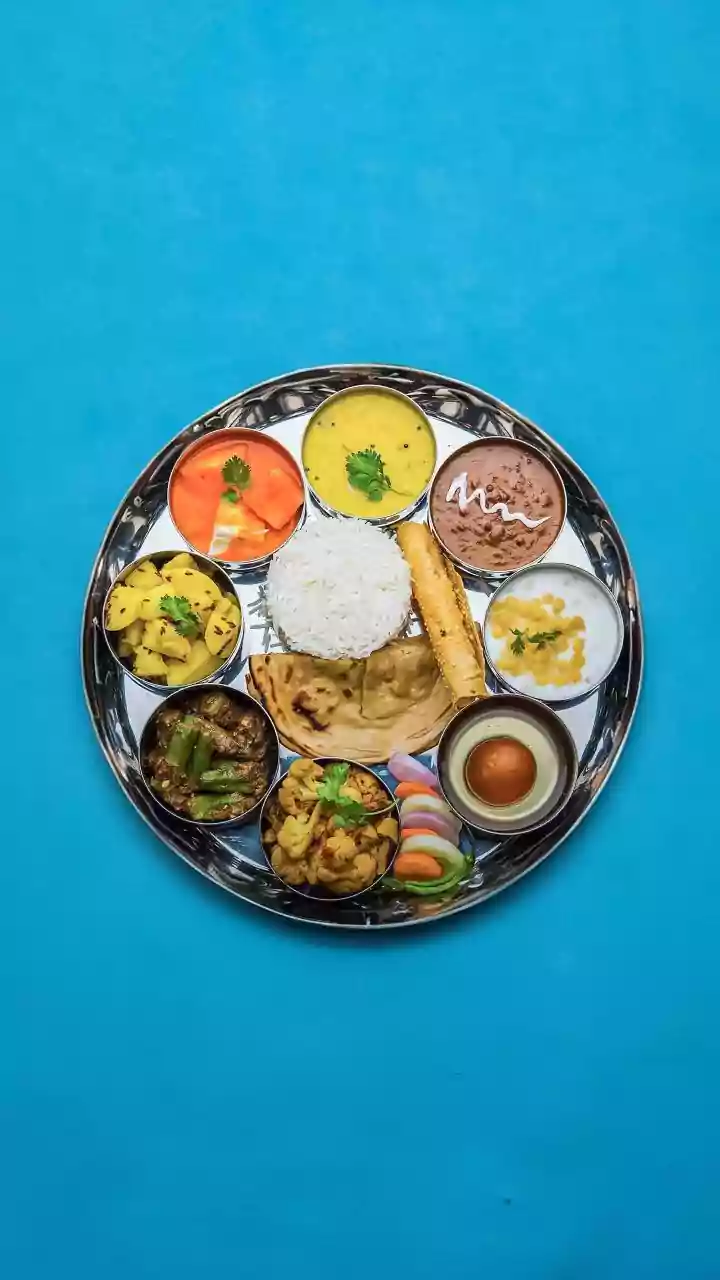
Iron deficiency is one of the most common nutritional issues globally, and it’s a significant concern in India where many diets are predominantly plant-based. Dietary iron comes in two forms: heme iron, found in animal products, and non-heme iron, found in plants.
Heme iron is easily absorbed by the body, but non-heme iron, which makes up the vast majority of iron intake in vegetarian diets, is less bioavailable. This means our bodies struggle to absorb it efficiently, which is why simply eating iron-rich plants isn't always enough to prevent deficiency.
Dal and Spinach: A Plant-Powered Iron Duo
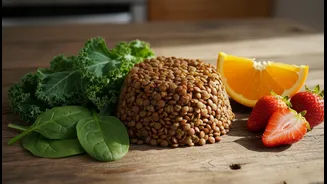
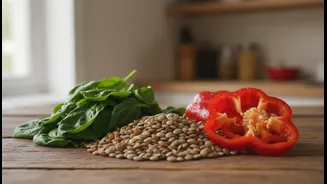
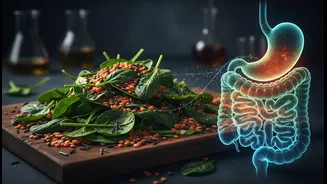
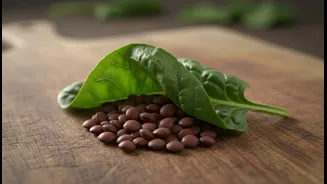
Lentils (dal) and spinach (palak) are staples celebrated for their health benefits. Dal is a fantastic source of plant-based protein, fibre, and, importantly, non-heme iron. Similarly, spinach is loaded with nutrients, including a high concentration of iron. However, spinach also contains compounds called oxalates, which can bind to iron and inhibit its absorption. This might sound like a drawback, but it doesn't mean you should avoid spinach. The key is not just what you eat, but what you eat it with. This is where the magic of food pairing comes into play.
Lemon: The Secret to Unlocking Iron
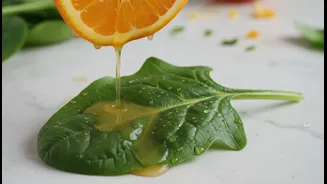
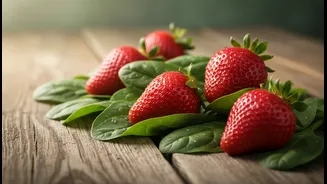
The humble lemon is the hero of this story. Lemons are packed with Vitamin C (ascorbic acid), which is scientifically proven to be a potent enhancer of non-heme iron absorption. When you consume Vitamin C along with plant-based iron sources, it works in two brilliant ways. First, it helps convert the non-heme iron from its ferric (Fe³⁺) form into the more soluble ferrous (Fe²⁺) form, which your gut can absorb much more easily. Second, Vitamin C forms a soluble complex with the iron, which helps counteract the effects of inhibitors like the phytates found in lentils and the oxalates in spinach. Studies have shown that adding Vitamin C can double the amount of iron absorbed from a meal.
The Perfect Partnership on Your Plate
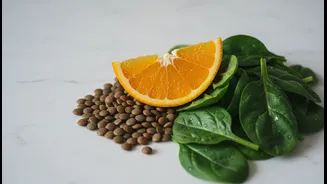
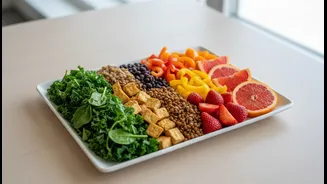
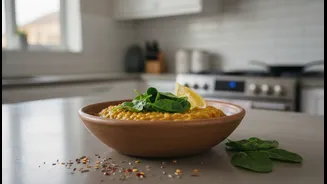
When you combine dal, spinach, and lemon, you create a perfect nutritional synergy. The iron from the dal and spinach provides the essential mineral, while the Vitamin C from the lemon acts as a key, unlocking that iron and making it available to your body. A simple squeeze of lemon juice over your dal palak does more than just add a tangy flavour; it fundamentally changes the nutritional value of your meal, ensuring you get the maximum benefit from these iron-rich plants. This traditional practice, often passed down through generations, is a prime example of food wisdom that is now fully supported by modern science.
Maximising Your Iron Intake
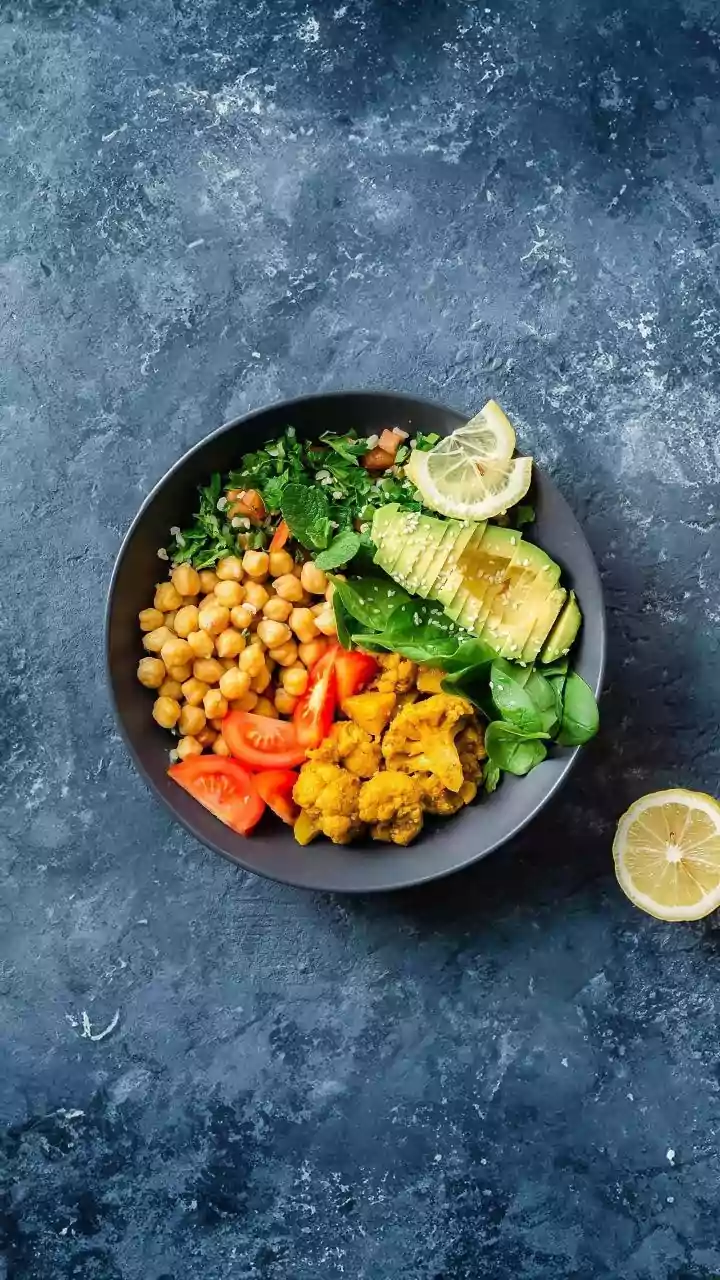
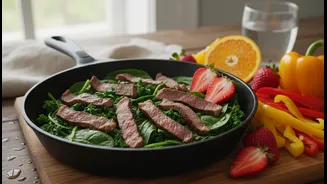
To make the most of this powerful combination, add the lemon juice at the end of cooking or just before serving, as heat can degrade Vitamin C. You don't have to stop at lemon, either. Other Vitamin C-rich foods like tomatoes, bell peppers (capsicum), and amla (Indian gooseberry) also work wonders when paired with iron sources. It's also wise to be mindful of iron inhibitors. Compounds in tea and coffee, called tannins and polyphenols, can drastically reduce iron absorption. To get the most from your iron-rich meals, it’s best to avoid drinking tea or coffee at least an hour before or after eating.